









Introduction: The Charm of Italy’s Rustic Table
Italy’s culinary identity is deeply rooted in tradition, locality, and seasonality. Beyond the grandeur of Michelin-starred restaurants and urban gastronomic hubs, a growing appreciation is emerging for the rustic table, or La Tavola Rustica, where simplicity, authenticity, and cultural heritage converge. This concept embodies farm-to-table dining, showcasing ingredients sourced directly from local farms, vineyards, and artisan producers, and prepared using time-honored techniques that have been passed down through generations.
Unlike contemporary fine dining, the rustic table emphasizes community, storytelling, and regional identity. Every dish tells a narrative of the land, the seasons, and the families who cultivate and prepare the food. This approach to dining reflects a broader global trend of returning to culinary roots, highlighting sustainability, locality, and authenticity.
Part 1: The Historical Foundations of the Rustic Table
1.1 Agricultural Roots and Culinary Simplicity
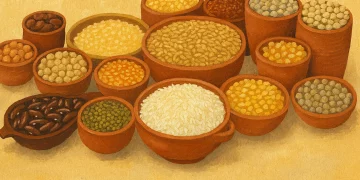
Italy’s rustic cuisine originates from its agricultural history. Centuries of small-scale farming and seasonal harvests shaped a culinary philosophy that prized freshness, availability, and simplicity. Staples such as olive oil, durum wheat, seasonal vegetables, and locally raised meats formed the backbone of everyday meals.
In regions like Tuscany, Umbria, and Puglia, meals were designed to nourish families and communities rather than impress diners with elaborate techniques. The emphasis was on natural flavors, careful preparation, and ingredient respect, values that still define the rustic table today.
1.2 Regional Identity and Ingredient Focus
Each Italian region developed distinct culinary traditions based on climate, geography, and cultural exchange. For example:
- Tuscany: Known for legumes, chestnuts, and olive oil, emphasizing earthy and hearty flavors.
- Emilia-Romagna: Renowned for cured meats like prosciutto, Parmigiano-Reggiano cheese, and balsamic vinegar, reflecting a culture of artisanal mastery.
- Sicily: A Mediterranean crossroads where citrus, almonds, and seafood dominate, reflecting Arab and Norman influences.
The rustic table highlights these regional nuances, presenting dishes in ways that honor their origin and maintain culinary integrity.
Part 2: Ingredients as the Core of Rustic Dining
2.1 Seasonal and Local Ingredients
At the heart of Italy’s rustic table is the use of seasonal produce. Chefs and home cooks alike emphasize eating what is fresh and abundant, resulting in a menu that changes with the seasons. This philosophy aligns with sustainable practices, minimizing waste and reducing environmental impact.
Common seasonal staples include:
- Spring: Asparagus, fava beans, artichokes
- Summer: Tomatoes, zucchini, fresh herbs, figs
- Autumn: Mushrooms, pumpkins, chestnuts
- Winter: Kale, cabbage, root vegetables
The connection between seasonality and flavor is fundamental, ensuring that each dish reflects the rhythms of nature.
2.2 Artisanal and Heritage Ingredients
Rustic dining often incorporates heritage grains, cheeses, and cured meats, each with unique provenance and history. Stone-milled flours, traditional pasta shapes, and slow-aged cheeses carry both flavor depth and cultural significance. Ingredients are not merely components; they are symbols of local craftsmanship and ancestral knowledge.
Part 3: Culinary Techniques of the Rustic Table
3.1 Slow Cooking and Preservation
Traditional cooking techniques emphasize time and patience. Slow-simmered sauces, braised meats, and wood-fired breads are hallmarks of rustic Italian cuisine. Preservation methods such as pickling, curing, and fermenting allow flavors to mature naturally, enhancing taste complexity while honoring seasonal availability.
For instance, pasta e fagioli (pasta and beans) or ossobuco (braised veal shanks) rely on low heat and long cooking times, allowing simple ingredients to achieve maximum flavor depth.
3.2 Home Kitchen Techniques
While rustic dining has been embraced by high-end chefs, it remains deeply rooted in home kitchens. Skills such as kneading fresh pasta, hand-stirring risotto, and crafting seasonal preserves are passed down through families, preserving culinary knowledge and maintaining authenticity.
Part 4: The Social and Cultural Dimension
4.1 Meals as Community Experiences
The rustic table is not just about food—it is a social ritual. Meals are shared experiences, designed to bring together family, friends, and neighbors. The emphasis is on connection, conversation, and conviviality, with food serving as a medium for cultural expression.
In rural villages, festivals and communal harvest celebrations often center around rustic dishes, reinforcing community bonds and cultural continuity.
4.2 Culinary Storytelling
Each dish embodies a narrative of place, season, and tradition. Chefs at rustic tables often recount the origin of ingredients, family recipes, and local farming practices, transforming meals into immersive cultural experiences. This storytelling enhances the dining experience, allowing guests to appreciate not just taste but context, history, and heritage.
Part 5: Modern Interpretations of Rustic Dining
5.1 Fine Dining Meets Rustic Philosophy
Modern chefs have successfully integrated rustic principles into contemporary haute cuisine, emphasizing simplicity, locality, and seasonal ingredients. Restaurants like Osteria Francescana in Modena reinterpret traditional dishes while maintaining ingredient authenticity and cultural respect.
5.2 Farm-to-Table and Agriturismo
Italy’s agriturismo movement exemplifies the fusion of rustic dining and tourism. Guests stay on working farms, participate in harvests and cooking, and enjoy meals prepared from the farm’s own produce. This approach reinforces the connection between land, ingredient, and dining experience, offering both education and culinary delight.
5.3 Global Influence of Rustic Cuisine
Italian rustic cuisine has influenced chefs worldwide, inspiring menus that prioritize seasonality, simplicity, and cultural storytelling. From artisan pizzerias in New York to Tuscan-inspired bistros in Tokyo, rustic principles resonate globally, reinforcing a universal desire for authentic, flavor-driven dining.
Part 6: Signature Rustic Dishes
Examples of rustic staples that embody La Tavola Rustica include:
- Pasta al Pesto Genovese: Hand-rolled pasta with fresh basil, pine nuts, and extra virgin olive oil.
- Ribollita: Tuscan vegetable and bread stew, reflecting resourcefulness and seasonal adaptation.
- Porchetta: Herb-stuffed roasted pork, showcasing local herbs and traditional roasting techniques.
- Caponata: Sicilian eggplant dish, balancing sweet and sour flavors with olives, capers, and vinegar.
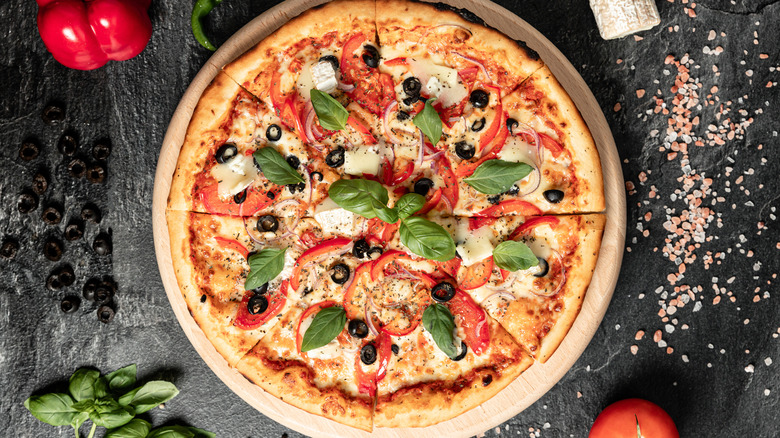
- Focaccia: Simple bread highlighting stone-ground flour, sea salt, and high-quality olive oil.
Each dish demonstrates the essence of rustic dining: minimal ingredients, maximum flavor, and deep connection to local heritage.
Conclusion: La Tavola Rustica as a Culinary Philosophy
Italy’s rustic table embodies more than food; it represents a culinary philosophy rooted in seasonality, locality, and tradition. By valuing simplicity, authenticity, and community, rustic dining offers a counterbalance to the fast-paced, globalized food industry, reconnecting diners with the land, its produce, and cultural heritage.
Whether experienced in a rural farmhouse, agriturismo, or a modern reinterpretation in a city restaurant, La Tavola Rustica exemplifies sustainable practices, artisanal craftsmanship, and heartfelt storytelling. Its continued relevance highlights a universal appreciation for authenticity, ensuring that rustic Italian flavors remain timeless and globally inspiring.