









Introduction: A Shift from Western Fine Dining to Global Tradition
In the past few decades, Western fine dining—with its French-inspired techniques, haute cuisine presentation, and Michelin-starred prestige—dominated the aspirations of chefs and food enthusiasts worldwide. The global culinary conversation was largely centered on technique, plating aesthetics, and luxurious ingredients imported from around the world. However, a notable shift has emerged in the 21st century: diners, chefs, and food entrepreneurs are increasingly turning toward unique traditional flavors, exploring regional cuisines, and seeking authentic culinary experiences that reflect the cultural heritage of different regions.
This transition signifies a profound change in how people value food—not merely as a form of status or artistry but as a medium for cultural connection, storytelling, and sensory authenticity. Restaurants and food innovators are rediscovering forgotten ingredients, ancient techniques, and regional foodways, giving rise to a movement where the traditional and local take precedence over imported prestige.
Part 1: The Global Appetite for Traditional Flavors
1.1 Beyond Western Culinary Norms
For decades, the global food scene often equated culinary excellence with French techniques, modernist cuisine, or Western fine dining practices. Dishes like beurre blanc sauces, foie gras terrines, and molecular gastronomy creations were held as the gold standard. While these cuisines still command respect, modern diners are increasingly drawn to local food identity, seeking flavors that are rooted in culture, geography, and history rather than culinary fashion.
Chefs in cities like Bangkok, Lima, Marrakech, and Hanoi are leading this exploration, blending modern techniques with ancient traditions, showcasing flavors that have long been overshadowed by Western prestige. Dishes such as Peruvian ceviche, Vietnamese pho, or Moroccan tagine are being celebrated not only for their taste but also for the cultural narratives they carry.
1.2 Rediscovering Regional Ingredients
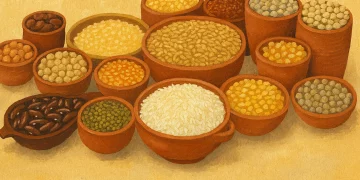
The global turn toward traditional flavors also reflects a growing interest in regional ingredients. With the rise of sustainable sourcing and farm-to-table dining, chefs are reconnecting with local farmers, fishermen, and foragers to find ingredients that have defined their regions for centuries. Ingredients such as ancient grains, heritage vegetables, fermented products, and wild herbs are no longer niche; they are integral to a growing number of contemporary menus worldwide.
For instance, Scandinavian chefs are reviving the use of sea buckthorn, wild mushrooms, and root vegetables, while Japanese restaurants highlight locally grown vegetables and seasonal seafood, emphasizing umami balance and natural flavor. This resurgence of local ingredients allows diners to experience authentic taste profiles that are often more complex and historically resonant than the standardized flavors of Western fine dining.
Part 2: Traditional Cooking Techniques Reimagined
2.1 Fermentation, Smoking, and Slow Cooking
Traditional cooking techniques have become central to the modern culinary renaissance. Methods such as fermentation, smoking, pickling, and slow cooking are widely embraced for their ability to enhance flavor, preserve ingredients, and connect food to its origins. The science behind these techniques is increasingly recognized, but their cultural and historical context is equally valued.
Fermented foods, including kimchi, miso, sourdough, and kombucha, are not only health-promoting but also carry deep culinary traditions. Likewise, smoked meats and fish, such as Scandinavian gravlax or Southern American smoked brisket, demonstrate how regional climates, preservation needs, and resource availability shaped flavor preferences.
2.2 Passing Down Culinary Knowledge
Traditional culinary knowledge is often intergenerational, with recipes and techniques passed down within families or communities. Modern chefs are actively seeking these oral histories and local expertise, combining them with contemporary presentation and techniques. In doing so, they bridge the gap between heritage and modernity, creating dishes that honor the past while appealing to contemporary palates.
In regions like Southeast Asia, chefs are reconstructing ancient street foods and ceremonial dishes, adding a modern twist while preserving authentic ingredients and flavors. This approach provides diners with a multi-sensory experience that communicates the story of a culture, its history, and its people.
Part 3: The Role of Global Travel and Media
3.1 Culinary Tourism and Cultural Exploration
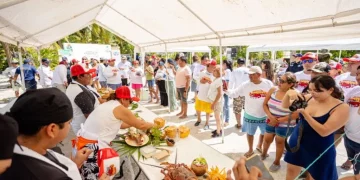
The rise of culinary tourism has accelerated interest in traditional flavors. Travelers now prioritize experiencing local food culture over visiting conventional tourist attractions. From street food tours in Ho Chi Minh City to home-cooked meals in Tuscany, people seek authentic culinary experiences that connect them to the heart of a community.
These experiences often emphasize hands-on participation, such as cooking classes, ingredient foraging, and farm visits, which enhance appreciation for traditional flavors. The storytelling element is central—diners are no longer just consuming food; they are participating in a living cultural exchange.
3.2 Social Media Amplification
Platforms like Instagram, YouTube, and TikTok have played a significant role in popularizing traditional flavors. Chefs and home cooks alike showcase regional recipes, unique ingredients, and traditional cooking methods, reaching global audiences who may never have had access to these flavors otherwise. As a result, traditional foods such as Ethiopian injera, Filipino adobo, and Peruvian anticuchos have gained international recognition, inspiring culinary experimentation and appreciation worldwide.
Part 4: Challenges and Opportunities
4.1 Balancing Authenticity and Innovation
One of the key challenges in reviving traditional flavors is maintaining authenticity while innovating. Chefs must carefully balance the desire to modernize dishes with the need to preserve cultural integrity. Misrepresentation or oversimplification of traditional dishes can lead to cultural appropriation or loss of historical context. Successful restaurants often collaborate with local communities, engage with food historians, and emphasize ingredient sourcing transparency to ensure respectful adaptation.
4.2 Supporting Local Economies and Sustainability
The focus on traditional flavors aligns closely with sustainable dining practices. By sourcing ingredients locally and supporting small-scale producers, restaurants contribute to economic development and food system resilience. Additionally, traditional cooking often involves seasonal eating, whole-animal utilization, and minimal processing, which reduces waste and environmental impact.
Part 5: Case Studies of Traditional Flavor Revival
5.1 Southeast Asia: Street Food Renaissance
In Thailand, Vietnam, and Malaysia, traditional street foods are being celebrated in modern culinary spaces. Chefs elevate dishes such as Thai green curry, Vietnamese bánh xèo, and Malaysian laksa, emphasizing fresh herbs, balanced spices, and fermentation techniques. These dishes showcase how traditional methods, when executed with precision, can rival fine dining in complexity and flavor depth.
5.2 Latin America: Rediscovering Indigenous Ingredients
Chefs in Peru, Mexico, and Bolivia are reviving indigenous grains, tubers, and fruits. Ingredients such as quinoa, amaranth, purple corn, and native potatoes are being incorporated into innovative dishes that maintain cultural relevance. The culinary narrative here is deeply connected to ancestral knowledge, biodiversity, and regional identity.
5.3 Europe: Heritage Revival
In Europe, many chefs are revisiting forgotten recipes and local heritage foods. From Norwegian cured fish to French regional cheeses, traditional European flavors are being reimagined for modern diners while preserving the sense of place.
Conclusion: The Future of Global Dining
The global culinary landscape is undergoing a paradigm shift. People are moving away from an exclusive focus on Western fine dining, instead embracing authentic, traditional flavors that reflect the diversity of cultures and regions. This trend not only enriches the dining experience but also supports local economies, sustainability, and cultural preservation.
As chefs continue to explore heritage ingredients, ancestral techniques, and regional stories, diners can expect a future where every meal is a window into a culture, a region, and its history. The global appetite for unique traditional flavors signifies a profound rethinking of what constitutes culinary excellence, proving that authenticity, tradition, and innovation can coexist on the modern dining table.