









Introduction: The Essence of Washoku
At the heart of Japan’s rich and diverse food culture lies Washoku—the traditional Japanese cuisine that has been honored and preserved for centuries. Recognized by UNESCO as an Intangible Cultural Heritage in 2013, Washoku is more than just food; it is a way of life, a reflection of Japan’s history, culture, and relationship with the environment. Rooted in simplicity and balance, Washoku encompasses not only the ingredients but also the philosophies of harmony, seasonality, and respect for nature.
This article delves into the fundamentals of Washoku, exploring its core principles, culinary techniques, regional variations, and the cultural significance behind each dish. It will also highlight how this traditional cuisine is evolving in the modern era, while still maintaining its deep ties to history and tradition.
Part 1: What is Washoku?
1.1 Defining Washoku: More Than Just a Meal
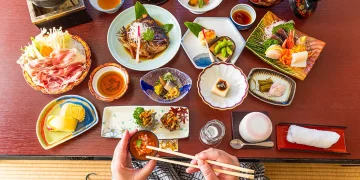
Washoku is a traditional Japanese meal composed of several essential components, each meticulously prepared to create a harmonious and balanced dining experience. The essence of Washoku lies in its emphasis on seasonality, presentation, and nutritional balance, which is inspired by the four seasons of Japan.
A typical Washoku meal consists of the following elements:
- Ichiju-sansai (One soup, three sides): A combination of a main dish, rice, a soup, and three side dishes, often incorporating vegetables, fish, and pickles.
- Rice (Gohan): Central to the meal, rice is served as the base of every Washoku meal, symbolizing fertility, abundance, and life.
- Soup (Shiru): The soup serves as a cleanser and complements the other dishes, usually made with dashi (a type of stock) and featuring tofu, seaweed, or vegetables.
- Side Dishes (Kobachi): These are smaller dishes that provide a variety of flavors and textures, typically using seasonal ingredients.
- Pickles (Tsukemono): Pickles are often included to aid digestion and add a crunchy, acidic contrast to the meal.
Each of these components plays a specific role in creating a sense of balance and harmony—a concept rooted in the Japanese philosophy of “wa”, meaning peace and balance.
Part 2: Key Principles of Washoku
2.1 The Importance of Seasonal Ingredients (Shun)
At the core of Washoku is the concept of shun—the notion that the best ingredients are those that are in season. Japanese cuisine places immense value on the natural cycle of the seasons, and meals are designed to highlight the flavors of what is most abundant at any given time of year. This seasonal focus not only promotes sustainability but also encourages a deeper connection to the land and its cycles.
Examples of seasonal ingredients include:
- Spring: Bamboo shoots, strawberries, fava beans
- Summer: Cucumber, eggplant, watermelon
- Autumn: Matsutake mushrooms, sweet potatoes, chestnuts
- Winter: Daikon radish, Chinese cabbage, mandarin oranges
The use of seasonal ingredients ensures that Washoku is always fresh, vibrant, and full of flavor, reflecting the natural beauty and abundance of Japan’s landscapes.
2.2 The Balance of Flavors and Aesthetics
In Washoku, balance is everything. Every meal is designed to engage all the senses, from the taste to the visual presentation. The balance of umami, sweet, salty, sour, and bitter flavors is carefully considered, creating a meal that is both satisfying and nourishing. The use of color also plays an important role, as dishes are often arranged to be visually appealing, reflecting the changing colors of the seasons.
Additionally, minimalism is key to Washoku’s aesthetic. The simplicity of the dishes allows the natural flavors of the ingredients to shine through, without being overshadowed by excessive seasoning or complex cooking techniques. This understated elegance is what makes Japanese cuisine so unique and revered.
Part 3: Core Ingredients and Techniques in Washoku
3.1 Key Ingredients in Washoku
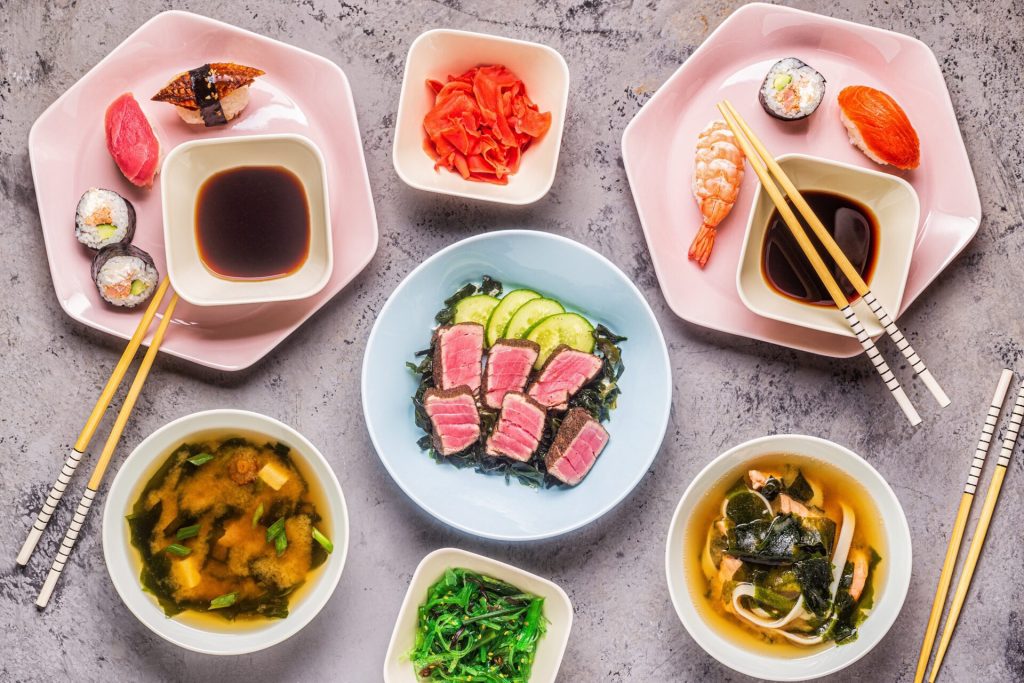
Washoku is built upon a foundation of fresh, locally-sourced ingredients that are simple yet packed with flavor. Some of the core ingredients include:
- Rice (Gohan): Japanese rice is short-grain and sticky, which helps it clump together and makes it easy to eat with chopsticks.
- Soy Sauce (Shoyu): A staple seasoning in Japanese cooking, soy sauce adds a savory umami flavor to dishes.
- Miso: A fermented soybean paste used to make soups and sauces, miso adds depth and richness to dishes.
- Dashi: A type of stock made from kombu (seaweed) and bonito flakes, dashi serves as the base for many soups and sauces in Washoku.
- Tofu: A versatile ingredient made from soybeans, tofu is used in soups, stews, and as a meat alternative.
- Seaweed: From nori for sushi to wakame in miso soup, seaweed is a vital ingredient that adds flavor and texture to various dishes.
- Vegetables: Root vegetables like daikon radish, lotus root, and carrots are staples, as well as leafy greens and edible flowers that change with the seasons.
3.2 Cooking Techniques in Washoku
Traditional Japanese cooking techniques are integral to achieving the delicate balance of flavors and textures in Washoku. These include:
- Steaming (Mushi): Steaming preserves the natural flavors and nutrients of the ingredients and is commonly used for vegetables, dumplings, and fish.
- Grilling (Yaki): Grilled fish, such as saba (mackerel) or yakitori (skewered chicken), is a popular feature in Washoku meals.
- Simmering (Nimono): Simmered dishes, such as oden (a hot pot dish) or nikujaga (beef and potatoes), allow the ingredients to absorb flavors and become tender.
- Frying (Agemono): Though less common than other methods, frying in Washoku is used for dishes like tempura, where the focus is on creating a light, crispy batter.
- Pickling (Tsukemono): Pickling vegetables like cucumbers, radishes, and plums is a traditional technique that adds tangy and salty contrasts to a meal.
Part 4: The Regional Diversity of Washoku
4.1 Regional Variations in Washoku
While Washoku is defined by certain core principles, its application varies greatly across Japan’s 47 prefectures. The regional differences are a reflection of the country’s diverse geography, climate, and cultural history.
- Kansai (Osaka, Kyoto, Kobe): Known for its light and delicate flavors, Kansai Washoku often features dishes like kyo-ryori (Kyoto cuisine), where subtlety and artistry in presentation are paramount.
- Hokkaido: The northernmost region of Japan, known for its seafood, particularly crab, scallops, and salmon.
- Okinawa: The southernmost islands of Japan have their own distinct food culture, influenced by Chinese and Southeast Asian cuisines. Okinawan cuisine is often centered around pork, seaweed, and tropical fruits.
Each region has developed unique dishes and cooking styles, yet all adhere to the principles of balance, simplicity, and seasonality that define Washoku.
4.2 Washoku and Festivities
Washoku plays a vital role in Japan’s traditional festivals and celebrations. For example, the New Year’s meal (osechi-ryori) is an elaborate feast featuring a variety of symbolic foods, such as kazunoko (herring roe) for fertility, and kuromame (black beans) for health. Similarly, seasonal offerings such as cherry blossom-themed sweets in spring or mochi (rice cakes) during the O-bon festival are an essential part of cultural identity and are enjoyed by families together.
Part 5: Washoku in the Modern World
5.1 Washoku’s Global Influence
In recent decades, Washoku has become a culinary ambassador for Japan globally. Restaurants like Sukiyabashi Jiro and Narisawa have made waves in the international dining scene, bringing traditional Washoku techniques to fine-dining tables. At the same time, Washoku has inspired chefs and food enthusiasts worldwide to adopt its focus on seasonality, simplicity, and sustainability.
5.2 Washoku in Home Cooking
Despite the growing popularity of Japanese cuisine worldwide, Washoku is still widely practiced in home kitchens across Japan. Many families pass down recipes through generations, ensuring that the techniques and values of traditional cooking remain alive. There’s also been a surge in cooking classes and workshops that teach the fundamentals of Washoku, bringing this rich culinary heritage into the modern age.
Conclusion: The Timeless Nature of Washoku
Washoku is not just a style of cooking—it is a philosophy that ties the people of Japan to their land, their history, and their culture. It represents the delicate balance between tradition and innovation, where each dish tells a story of seasonality, simplicity, and respect for nature.
In today’s fast-paced, globalized world, Washoku serves as a reminder of the importance of mindfulness, connection to the environment, and the value of preserving culinary traditions. As it continues to inspire chefs, home cooks, and food lovers around the world, Washoku remains an enduring symbol of Japan’s rich cultural and gastronomic legacy.