









Introduction: The Beauty of Local and Lesser-Known Ingredients
In a world where global cuisine is easily accessible, the beauty and richness of local ingredients—often unique to specific regions—are often overlooked. With an ever-growing focus on globalization and the standardization of food, many traditional, regional, and lesser-known ingredients are being pushed to the periphery. However, as the culinary world evolves and chefs seek to explore new flavors, the spotlight is once again turning to these hidden treasures.
Local and lesser-known ingredients offer a unique window into a region’s culture, history, and agricultural practices. They are not only deeply connected to the land they come from but also play an essential role in the diversity of the world’s food systems. These ingredients, often deeply tied to local communities, are a reflection of the environment, climate, and traditions in which they thrive.
This article explores the importance of uncovering and celebrating local, lesser-known ingredients, how they shape regional cuisines, and the role they play in today’s culinary scene.
Part 1: The Importance of Local and Lesser-Known Ingredients
1.1 Rediscovering Forgotten Flavors
The global food market is often dominated by a few widely recognized ingredients—tomatoes, potatoes, wheat, and corn—which are grown on a large scale for both domestic and international consumption. While these ingredients are integral to many of the world’s cuisines, there is a world of lesser-known ingredients that has largely remained untapped by mainstream food culture.
Forgotten foods such as ancient grains, wild herbs, and local fruits are increasingly being rediscovered by chefs and food enthusiasts who are seeking to create unique, authentic culinary experiences. These ingredients offer distinct flavors, textures, and nutritional profiles that provide chefs with an opportunity to push the boundaries of modern cuisine.
One such example is teff, an ancient grain native to Ethiopia, which is now making waves in gluten-free cooking due to its high fiber and nutrient content. Similarly, salsify, a root vegetable native to Europe, has a delicate, oyster-like flavor and is being used in innovative fine dining dishes.
1.2 Sustainable Agriculture and Biodiversity
Beyond their flavor profiles, many lesser-known ingredients are crucial to biodiversity and sustainable agriculture. As industrial farming practices have led to a reduction in the variety of crops grown, there has been a corresponding decline in genetic diversity within food systems. This lack of diversity can leave agriculture vulnerable to pests, diseases, and climate change.
By promoting local, heritage crops and wild edibles, we can help reverse this trend. These ingredients are often resilient to local growing conditions, requiring fewer pesticides and fertilizers, and they contribute to maintaining the health and diversity of local ecosystems. For example, the native quinoa of the Andean region has recently gained attention not only for its health benefits but also because it is well-suited to the harsh altitude and climate of the Andes.
1.3 Preserving Culinary Traditions
Each local ingredient is a story waiting to be told, often tied to ancient agricultural practices and cultural heritage. Many of these ingredients have been cultivated by indigenous communities for centuries, forming an integral part of their culinary identity. Reviving these ingredients allows us to preserve the food heritage of different regions and keep traditional practices alive.
Local ingredients can tell the story of a region’s history, from its climate and soil types to the farming practices used by past generations. By embracing these ingredients, chefs not only support local communities but also help keep these culinary stories alive for future generations.

Part 2: Examples of Local and Lesser-Known Ingredients Around the World
2.1 Africa: The Richness of the African Continent
In Africa, many lesser-known ingredients are part of traditional diets and have been used for centuries. These ingredients offer rich flavors and a wealth of nutritional benefits.
- Baobab: The fruit of the iconic Baobab tree, often called the “Tree of Life,” is packed with vitamin C and antioxidants. The fruit’s powder is now being used in smoothies, juices, and even desserts worldwide for its tangy flavor and nutritional properties.
- Fonio: This ancient grain, native to West Africa, is not only nutritious but also incredibly sustainable, requiring little water and able to thrive in dry conditions. Fonio is gluten-free and rich in amino acids, making it a powerful addition to modern health-conscious diets.
- Moringa: Known as the “drumstick tree,” moringa leaves are packed with vitamins, minerals, and antioxidants. This superfood has been used in African cuisines for centuries and is gaining popularity as an addition to soups, smoothies, and even as a supplement.
2.2 Asia: A Treasure Trove of Exotic Ingredients
Asia is home to a vast array of local ingredients, many of which remain unfamiliar to Western palates. From China to India to Southeast Asia, local ingredients are integral to the region’s culinary identity.
- Lotus Root: Used extensively in Chinese and Southeast Asian cuisines, lotus root is prized for its crisp texture and slightly sweet, earthy flavor. It can be stir-fried, pickled, or used in soups and stews.
- Kaffir Lime Leaves: These aromatic leaves are essential in Thai and Vietnamese cuisines, where they add a fragrant, citrusy flavor to curries, soups, and sauces.
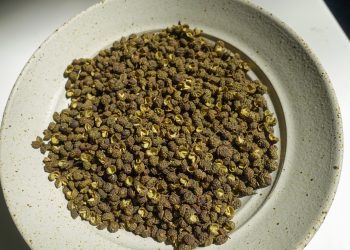
- Szechuan Peppercorns: Native to China, Szechuan peppercorns are known for their unique, numbing effect on the tongue and their ability to balance spicy flavors. They are a key ingredient in Szechuan cuisine and are now gaining popularity globally.
- Indian Spices: India’s spice cabinet is a world of its own, filled with lesser-known spices like asafoetida, black salt, and amchur (dried mango powder). These ingredients are used in unique curries, pickles, and sweets, each adding layers of flavor.
2.3 The Americas: Rediscovering Native Ingredients
The Americas are home to many lesser-known ingredients that are being reintroduced to the culinary world, especially with the growing demand for plant-based and sustainable foods.
- Chia Seeds: Native to the Aztecs, chia is a small but nutrient-dense seed that’s gaining popularity in modern diets for its omega-3 fatty acids, fiber, and antioxidants. Chia seeds are often used in smoothies, puddings, and baked goods.
- Tepary Beans: A drought-resistant legume native to the Southwest United States, tepary beans have been a staple of Native American diets for centuries. They are rich in protein and fiber, making them an excellent addition to plant-based meals.
- Achiote: The vibrant red seeds of the achiote tree are used to make annatto paste, which imparts a distinctive color and flavor to many Mexican and Central American dishes. The seeds are also used to make a natural dye for foods like cheese and butter.
2.4 Europe: Rediscovering Lost Ingredients
Europe is no stranger to traditional ingredients, many of which have been lost in favor of mass-produced alternatives. However, there’s a renewed interest in reviving these ingredients.
- Salsify: Often referred to as the “oyster plant,” salsify is a root vegetable with a mild, oyster-like flavor. It is particularly popular in French and Italian cuisine, where it is used in soups, stews, and as a side dish.
- Spelt: An ancient grain that predates modern wheat, spelt is now being rediscovered as a more digestible and nutritious alternative to conventional grains. It’s rich in protein and fiber and can be used in everything from bread to pasta.
- Wood Sorrel: A wild herb with a tangy, citrusy flavor, wood sorrel is often used in European salads, sauces, and garnishes. It’s also used in traditional sauces in Scotland and Ireland.
Part 3: The Future of Local and Lesser-Known Ingredients
3.1 Reconnecting with Nature and Tradition
The renewed interest in local and lesser-known ingredients is part of a broader movement toward sustainability and cultural preservation. As the world becomes more interconnected, it’s vital to maintain ties to the land, traditional farming practices, and the cultures that have sustained these ingredients for generations.
By embracing the diversity of local ingredients, chefs and food enthusiasts can also help to support small-scale farmers and local food systems, which are increasingly under threat from industrial agriculture.
3.2 The Role of Technology in Ingredient Discovery
Technology and innovation also play a role in uncovering and rediscovering forgotten flavors. Advances in food science, agriculture, and culinary techniques are enabling us to explore the sustainability of new ingredients and the best ways to cultivate them for the future.
Additionally, digital platforms and social media are helping small food producers and local farmers connect with global audiences, allowing lesser-known ingredients to be promoted, shared, and embraced.
Conclusion: Celebrating the Diversity of Regional Ingredients
Uncovering and embracing local and lesser-known ingredients is about more than just exploring new flavors—it’s about honoring the rich history of regional cuisine, sustainability, and cultural heritage. These ingredients tell stories, offer new culinary experiences, and play a crucial role in shaping the future of food.
As chefs, food producers, and consumers increasingly recognize the importance of diversity in the culinary world, we can expect to see more innovative and sustainable dishes that celebrate the unique, vibrant ingredients from every corner of the globe.