









Introduction: The Revival of Forgotten Flavors
In the ever-evolving world of gastronomy, there is a growing movement among chefs, food historians, and culinary enthusiasts to rediscover forgotten ingredients and recipes that have been overshadowed by modern industrial agriculture and mass-market foods. These culinary treasures—ranging from heirloom vegetables, ancient grains, to regional herbs and spices—offer not only unique flavors but also a direct connection to cultural history, biodiversity, and sustainable food practices.
This resurgence is driven by a combination of curiosity, sustainability concerns, and a desire for authenticity in modern cuisine. As chefs delve into historical cookbooks, farmers cultivate heritage crops, and food enthusiasts experiment at home, the culinary landscape is being enriched with flavors, textures, and aromas that were once considered lost or forgotten.
In this article, we explore the reasons for these rediscoveries, the types of forgotten culinary treasures being revived, and the impact on gastronomy, sustainability, and global food culture.
Part 1: Understanding Forgotten Culinary Treasures
1.1 Defining Forgotten Ingredients
Forgotten culinary treasures are foods, ingredients, and recipes that were once integral to regional or cultural diets but have largely disappeared from modern dining. These include:
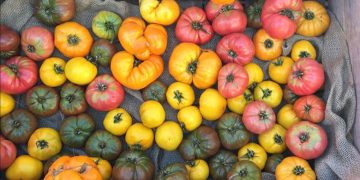
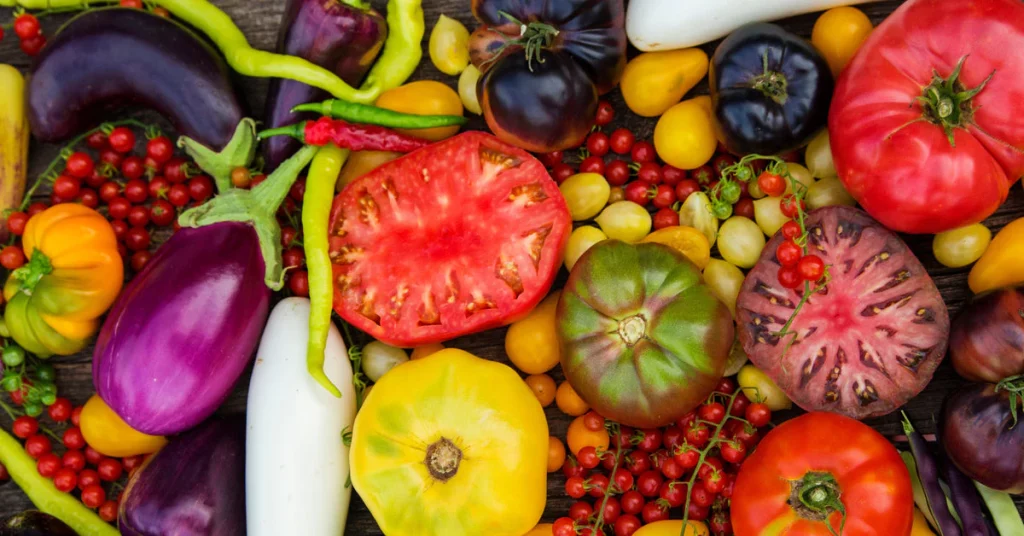
- Heirloom Vegetables: Varieties of carrots, tomatoes, beans, and squashes that differ in color, shape, and flavor from commercially produced types.
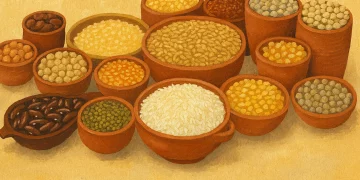
- Ancient Grains: Such as spelt, farro, millet, and amaranth, which have largely been replaced by modern wheat and rice.
- Traditional Dairy and Fermented Products: Regional cheeses, kefirs, and naturally fermented condiments.
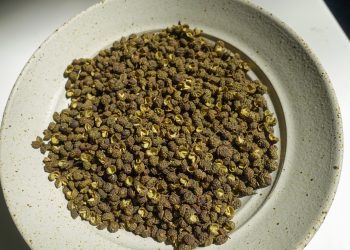
- Herbs, Seeds, and Spices: Plants that were once used medicinally or culinarily but were marginalized by globalized spice markets.
The value of these ingredients lies not only in their taste and texture but also in their ability to enhance biodiversity and support resilient agricultural systems.
1.2 Historical Context of Forgotten Foods
Many of these ingredients were sidelined due to industrialization, globalized trade, and the rise of monoculture farming. In the early 20th century, uniformity and productivity became economic priorities, leading to the gradual disappearance of small-scale, region-specific crops. For instance:
- The Red Fife wheat, a staple in 19th-century North America, was replaced by higher-yield wheat varieties.
- Certain regional tomato cultivars in Italy and Spain vanished due to commercial standardization.
- Wild herbs and edible flowers were often replaced by flavorless substitutes in processed foods.
The rediscovery of these foods is therefore a return to culinary diversity, allowing chefs and home cooks to reconnect with history through taste.
Part 2: The Role of Chefs in Reviving Lost Flavors
2.1 Culinary Archaeology
Modern chefs are increasingly embracing the concept of culinary archaeology, exploring historical recipes and local ingredients. This involves:
- Researching Ancient Cookbooks: Historical texts provide insights into forgotten spices, grains, and preparation techniques.
- Collaborating with Farmers: Chefs work with local farmers to cultivate heirloom crops that are often at risk of extinction.
- Experimenting with Recipes: Adapting old recipes for contemporary palates while preserving the authentic flavor of the ingredients.
2.2 Signature Dishes from Forgotten Ingredients
Several high-profile restaurants have made forgotten foods central to their menus. Examples include:
- Heirloom Tomato Tart: Using varieties with unique color and flavor profiles that cannot be replicated by commercial tomatoes.
- Ancient Grain Risotto: Featuring grains like spelt or farro to create texture and nutritional richness.
- Fermented Vegetable Plates: Using locally sourced, naturally fermented vegetables, reviving techniques that predate refrigeration.
By creating these dishes, chefs educate diners on the history and value of these ingredients, turning a meal into an experience that celebrates both taste and heritage.
Part 3: The Role of Farmers and Artisans
3.1 Heirloom Seed Preservation
Farmers are critical in the revival of forgotten foods. Seed banks and small-scale farms focus on preserving heirloom varieties, ensuring they remain available for culinary experimentation. These efforts often involve:
- Saving seeds season after season, maintaining genetic diversity.
- Working with culinary institutions to reintroduce these ingredients into mainstream menus.
- Experimenting with sustainable agricultural methods, such as crop rotation, organic fertilizers, and biodiversity-friendly cultivation.
3.2 Artisanal Fermentation and Dairy
Beyond vegetables and grains, artisans are bringing back fermented foods, which provide both flavor complexity and health benefits. Examples include:
- Naturally fermented pickles, kimchi, and sauerkraut.
- Region-specific cheeses made with traditional methods.
- Fermented condiments like miso, soy sauce, and vinegar, emphasizing local ingredients.
This collaboration between chefs, farmers, and artisans is critical in ensuring that forgotten culinary treasures are accessible and viable in modern gastronomy.
Part 4: Health, Sustainability, and Nutrition
4.1 Nutritional Value of Forgotten Foods
Many forgotten ingredients are nutritionally superior to modern mass-produced counterparts. Ancient grains often contain higher protein content, fiber, and micronutrients. Heirloom vegetables tend to have richer vitamin and antioxidant profiles, as they are grown in less intensive, more natural systems.
4.2 Sustainability and Biodiversity
Reviving forgotten foods aligns with the global push for sustainable agriculture. Benefits include:
- Biodiversity Conservation: Preserving rare plant varieties helps maintain ecological balance.
- Resilient Crops: Heirloom and ancient varieties often show resistance to pests and climate fluctuations, reducing the need for chemical interventions.
- Local Food Systems: Encouraging consumption of regional ingredients strengthens local economies and reduces environmental impact from long-distance transport.
Part 5: Challenges and Opportunities
5.1 Market and Consumer Awareness
Despite their value, forgotten foods face challenges in market acceptance. Consumers may be unfamiliar with flavor profiles or cooking techniques, and prices can be higher due to limited production. Educating diners through:
- Tasting events,
- Workshops, and
- Storytelling on menus
helps overcome these barriers.
5.2 Innovation and Fusion
Chefs are also combining forgotten ingredients with modern techniques to create innovative fusion dishes, such as:
- Ancient Grain Sushi Rolls
- Heirloom Vegetable Ramen
- Fermented Fruit Desserts
These innovations bridge history with contemporary dining trends, expanding the appeal of forgotten foods.
Part 6: Case Studies of Culinary Revival
6.1 Italy: The Rebirth of Ancient Grains
Italian chefs and farmers have revived ancient grains like farro, einkorn, and emmer wheat, which had nearly vanished. These grains are now featured in pasta, bread, and risotto, preserving regional culinary identity.
6.2 United States: Heirloom Vegetables and Seed Networks
In the U.S., movements like Slow Food USA and Seed Savers Exchange have played a crucial role in preserving heirloom tomatoes, beans, and squash varieties. Restaurants in California and New York increasingly feature these vegetables in farm-to-table menus, highlighting unique flavors and textures.
6.3 Japan: Traditional Fermented Foods
Japanese chefs and artisans are revitalizing fermented foods like miso, koji, and tsukemono. These ingredients are incorporated into both traditional dishes and contemporary fine dining, showcasing the depth of umami flavors and cultural heritage.
Conclusion: A Future Rooted in the Past
The rediscovery of forgotten culinary treasures represents a convergence of culture, history, sustainability, and gastronomy. By exploring these lost flavors, chefs and food enthusiasts are reconnecting diners with the past, while fostering biodiversity, nutrition, and innovation in modern cuisine.
As global interest in these ingredients grows, we can expect to see heirloom vegetables on fine dining menus, ancient grains in daily bread, and traditional fermented condiments becoming mainstream. These efforts ensure that the culinary heritage of our ancestors is not lost, but instead celebrated and reimagined for the generations to come.