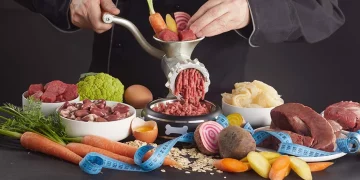










Introduction: The Intersection of Science and Culinary Art
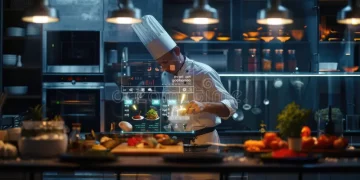
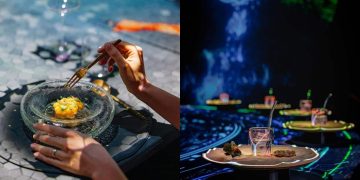
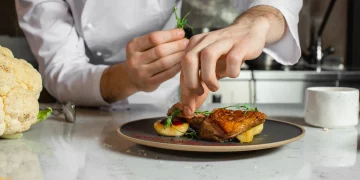
In the world of modern gastronomy, the term “scientific cooking” or “molecular gastronomy” has come to symbolize the intersection of technology, technique, and creativity. Traditionally confined to high-end restaurants and experimental kitchens, scientific cooking involves the use of chemistry and physics to manipulate the texture, flavor, and presentation of food in innovative ways. From spherification (turning liquids into gel-like spheres) to liquid nitrogen-frozen desserts, this culinary art form was initially designed to push the boundaries of flavor and presentation.
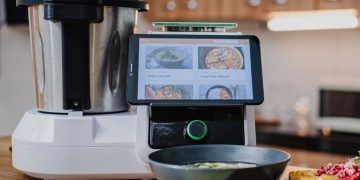
However, younger chefs, particularly those in the millennial and Gen Z demographics, are shifting the paradigm by simplifying these complex techniques and making them accessible for home cooks. These chefs are revolutionizing the culinary world by blending high-tech innovation with everyday cooking, bringing molecular gastronomy techniques into domestic kitchens.
The growing trend of science-based cooking at home has opened new opportunities for home chefs to explore the science of food and experiment with textures, flavors, and presentations in the comfort of their kitchens. As these young chefs continue to innovate, they are democratizing a once-elite culinary practice, allowing amateur cooks to use cutting-edge tools and scientific principles to elevate their cooking skills and enhance the sensory experience of food.
In this article, we explore how young chefs are simplifying the once-elite world of scientific cooking, making it more approachable and relevant for home kitchens, and how these innovations are shaping modern dining experiences.
The Evolution of Scientific Cooking
From Professional Kitchens to the Home
Scientific cooking gained significant traction in the 1980s and 1990s, primarily led by chefs like Ferran Adrià, Heston Blumenthal, and Pierre Gagnaire, who used cutting-edge techniques to transform ingredients in ways that were previously unimaginable. These chefs relied heavily on equipment such as sous-vide machines, liquid nitrogen tanks, rotary evaporators, and blenders capable of producing high-precision textures and flavors.
At the same time, scientific cooking was associated with exclusivity. The techniques required highly specialized knowledge, expensive tools, and a deep understanding of food science. While this approach reshaped professional kitchens and dining experiences globally, it remained largely inaccessible to the home cook.
However, the landscape is changing. Young chefs are adopting these techniques in simplified forms and adapting them for home use. With the rise of affordable cooking gadgets, readily available online resources, and a growing interest in DIY food science, molecular gastronomy is moving out of the fine-dining world and into the homes of aspiring culinary enthusiasts.
Key Techniques and How They Are Being Simplified
1. Spherification: Turning Liquids into Gel Capsules
Spherification is one of the most iconic techniques of molecular gastronomy. It involves turning liquids (such as fruit juices, flavored stocks, or even alcohol) into small, spherical shapes with a gel-like outer layer. This technique creates a bursting, mouth-popping experience, which adds a new dimension to the way we experience flavors.
- Traditional Spherification: This technique typically requires the use of calcium chloride and sodium alginate, chemicals that allow liquids to solidify when dropped into a calcium solution.
- Simplified Version: With the advent of spherification kits, available for purchase, home cooks can now experiment with these techniques without needing specialized chemicals or advanced knowledge. The process has been simplified with pre-packaged powders that eliminate the need for precise measurements and complex procedures.
Young chefs are showing how home cooks can use easily accessible ingredients to create flavored pearls, adding them to dishes such as salads, soups, and cocktails, thereby elevating home cooking and allowing creativity to flow.
2. Sous-Vide Cooking: Precision Temperature Control
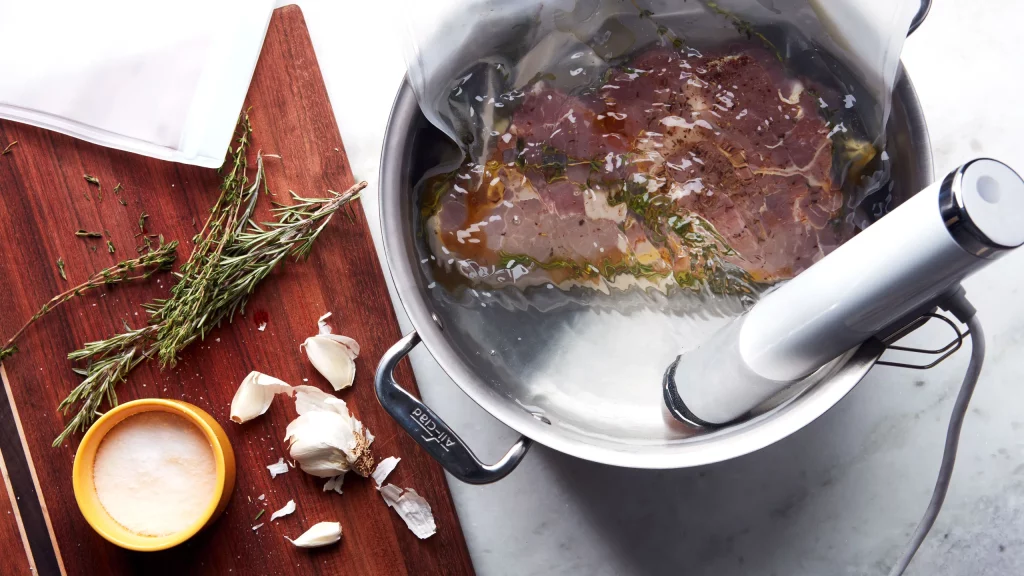
Sous-vide (French for “under vacuum”) is a cooking method that involves cooking food in vacuum-sealed pouches at low temperatures in a water bath. The result is food that is perfectly cooked, retaining moisture and flavor without the risk of overcooking. Sous-vide was once primarily used by professional chefs, but today, affordable sous-vide machines and immersion circulators have made the technique available to home cooks.
- Traditional Sous-Vide Cooking: Requires an immersion circulator to control the water temperature, along with vacuum-sealed bags for the food. While the technique requires precision, it allows the cook to achieve restaurant-quality results consistently.
- Home Adaptations: Modern sous-vide machines now come with apps or preset temperatures, making it easy for anyone to cook like a professional chef without the need for advanced skills or knowledge of temperature control.
Young chefs have made sous-vide cooking approachable by creating simple, user-friendly guides, demonstrating how to cook meats, vegetables, and even eggs to perfection at home.
3. Liquid Nitrogen: Instant Freezing and Exotic Textures
Liquid nitrogen is used in professional kitchens to freeze foods instantly, creating unique textures and presentations, particularly in desserts and cocktails. The rapid freezing process allows chefs to create dishes with textures and temperatures that are impossible to achieve with traditional methods.
- Traditional Use: Liquid nitrogen is used to create smoky, frozen effects or to freeze fruits, creams, and even alcohol. This adds dramatic flair to the dishes and creates an extraordinary sensory experience.
- Simplified Version: In recent years, consumer-friendly liquid nitrogen kits have emerged. These kits allow home cooks to freeze ingredients quickly for creative recipes like ice cream, sorbets, and frozen cocktails. Though liquid nitrogen is still something to handle with care, these products are designed to make the process safer and more accessible.
Young chefs, leveraging online tutorials and social media platforms, are showing how liquid nitrogen can be used to create frozen meringues, instant ice cream, and even cocktails with theatrical presentations.
4. Gelification: Turning Liquids into Jellies and Gels
Gelification involves transforming liquids (like juices, broths, or even cocktails) into gels using agar-agar or gelatin. The result is a firm texture that still retains the liquid’s flavor. Gelified foods are often used as garnishes or to create avant-garde presentations of familiar dishes.
- Traditional Gelification: Professional chefs use precise formulas and ratios to achieve the desired consistency.
- Simplified Gelification: With the availability of pre-measured gelification powders and the growing trend of online tutorials, home cooks can experiment with creating gelled spheres, transparent jellies, and flavored gels that are perfect for modern plating.
The Role of Social Media in Making Science-Based Cooking Accessible
One of the biggest drivers behind the simplification of scientific cooking techniques is social media. Platforms like Instagram, TikTok, and YouTube have provided young chefs with a space to share their innovative creations, provide step-by-step tutorials, and engage with a growing community of home cooks.
- Online Communities: Food influencers and young chefs have made scientific cooking techniques accessible through visuals, breaking down the science into easy-to-understand steps that anyone can follow.
- DIY Kits: The rise of fermentation kits, spherification kits, and DIY sous-vide bags has allowed home cooks to try out molecular gastronomy without having to purchase expensive equipment or seek out rare ingredients.
By sharing their experiences and creativity, young chefs are inspiring home cooks to explore the fascinating world of science-based cooking without the intimidation often associated with professional kitchens.
Health and Sustainability Considerations
Health Benefits
Many of the techniques used in scientific cooking not only enhance the sensory experience but can also improve the nutritional profile of food. For example:
- Sous-vide cooking preserves the nutrients and flavors of food, especially in vegetables, compared to traditional high-heat methods like grilling or frying.
- Gelification allows for the creation of low-sugar, high-fiber gels that can be used as healthy alternatives in various recipes.
By making these techniques accessible, young chefs are promoting a cooking philosophy that is nutrient-conscious and designed to preserve the integrity of ingredients while creating bold new flavors.
Sustainability
Science-based cooking also lends itself to sustainable practices. By experimenting with methods like sous-vide, home cooks can make use of local, seasonal ingredients, reducing food waste. Molecular techniques such as spherification and gelification also reduce the need for added preservatives and packaging, contributing to a more sustainable culinary future.
Conclusion: A New Era of Cooking for All
The integration of scientific cooking techniques into home kitchens by young chefs is transforming how we view food. The rise of simplified molecular gastronomy techniques allows anyone to experiment with innovative textures, flavors, and presentations without the need for advanced training or expensive tools.
By leveraging technology, social media, and DIY kits, scientific cooking is no longer limited to professional kitchens. It has become an accessible and inspiring trend, one that encourages people to explore the science behind cooking, enhance their culinary creativity, and experiment with food in ways they never thought possible.
As young chefs continue to innovate and share their knowledge, the future of home cooking looks promising, combining tradition with technology and transforming the act of preparing meals into a scientific exploration and artistic expression.