









Introduction: The Future of Dining – Personalized Meal Plans Powered by DNA and Health Data
The modern dining experience is evolving rapidly, as new technologies and health trends reshape what people expect from the food industry. In particular, personalized dining—where meals are tailored to an individual’s unique health needs, preferences, and even genetic makeup—is becoming increasingly popular. A growing number of restaurants and health-conscious food establishments are now offering DNA-based nutrition and health data-driven meal plans, allowing diners to enjoy meals that are not only delicious but also optimized for their personal health goals.
This evolution is driven by advances in genomic science, personalized nutrition, and the growing reliance on health data. More people are seeking ways to optimize their diet for weight management, disease prevention, and overall well-being. As a result, restaurants are embracing these emerging trends, partnering with nutritionists, genetic testing companies, and health tech platforms to create customized meal plans that cater to each individual’s unique DNA and health data.
In this article, we will explore the rise of personalized dining, the role of DNA testing and health assessments in creating custom meals, the benefits of these services for both consumers and restaurants, and the future potential of personalized dining experiences in the food industry.
The Science Behind Personalized Dining: How DNA Testing and Health Assessments Work
DNA Testing: The Key to Customizing Nutrition Plans
Personalized nutrition is built upon the premise that genetic makeup plays a significant role in how our bodies process food. Research into nutrigenomics, the study of how genes influence our response to food, has shown that each individual has unique dietary needs based on their genetic code. DNA testing can uncover a variety of genetic factors that influence metabolism, nutrient absorption, and even food preferences.
Companies such as DNAfit, 23andMe, and Nutrigenomix offer DNA testing kits that analyze genetic markers related to nutrition, providing insights into how an individual’s body processes fats, carbs, and proteins. This information is crucial for tailoring personalized meal plans that optimize nutrient absorption, support muscle recovery, and help maintain a healthy weight.
For example, certain genetic variants can affect how efficiently the body metabolizes caffeine, carbohydrates, and fats. For someone with a genetic predisposition to store fat more efficiently, a lower-fat or lower-carb diet may be recommended. Meanwhile, those with a genetic predisposition for high endurance may be guided to consume more protein for muscle repair and growth.
Health Assessments: Beyond DNA Testing
In addition to genetic information, health assessments—which may include blood tests, hormone levels, gut microbiome analysis, and biometric data—are becoming integral to creating personalized dining experiences. Many restaurants and food delivery services are now offering meal plans based on a combination of blood biomarkers, health goals, and physical conditions (e.g., diabetes, hypertension, or digestive issues).
For instance, a restaurant may work with a nutritionist or dietitian to create personalized meal options based on a customer’s blood sugar levels, cholesterol levels, and intestinal health. Additionally, wearable devices such as fitness trackers and smartwatches that monitor activity, heart rate, and sleep can provide valuable data that can further inform meal planning.
Some high-end restaurants even partner with health tech companies that allow customers to upload their health data directly to a database, helping chefs and nutritionists design custom menus tailored to the customer’s unique health profile.
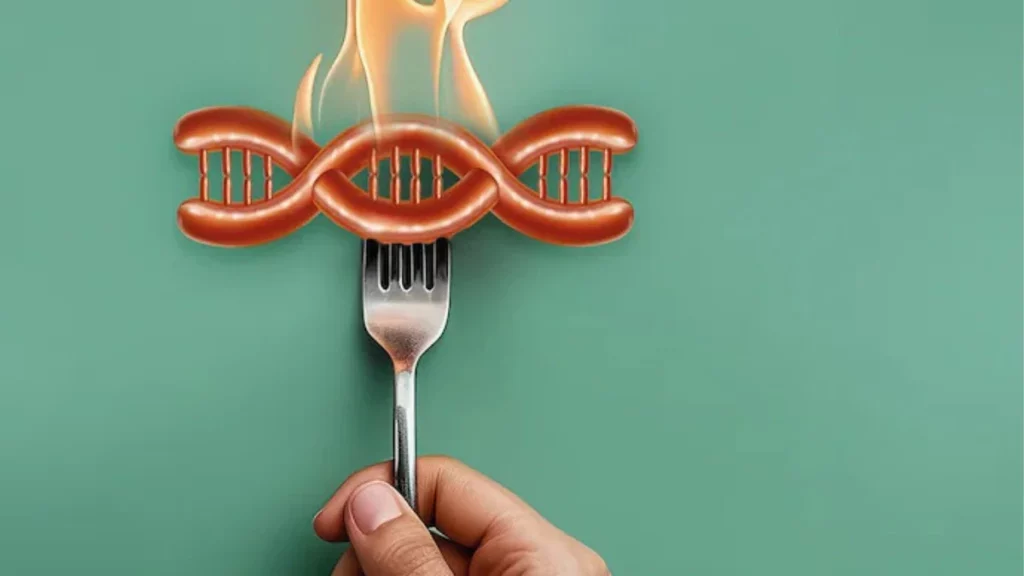
Personalized Dining in Restaurants: Tailoring Menus for Individual Health
The Rise of DNA-Based and Health Data-Driven Menus
A select group of restaurants are at the forefront of integrating DNA-based and health data-driven meal services into their operations. These establishments are revolutionizing the way food is prepared and consumed, offering menus that adapt to an individual’s health profile.
For instance, the DNA-based dining service at the restaurant DNA Bistro (a hypothetical example) could work as follows: a customer takes a DNA test either before or upon arrival at the restaurant. The results, which indicate the customer’s genetic preferences, such as tolerance to lactose, caffeine, or gluten, will be fed into the restaurant’s system. From there, the chef creates a custom dish that caters specifically to the customer’s unique nutritional needs, helping them improve digestion, manage energy levels, or optimize metabolism.
Similarly, health-conscious restaurants can leverage biometric data or blood test results to offer individualized meal plans designed to meet specific health goals. For example, a person with high cholesterol may be recommended a heart-healthy meal featuring omega-3-rich fish, avocados, and leafy greens, while someone looking to build muscle might be offered high-protein meals rich in lean meats, tofu, or legumes.
Some examples of innovative personalized dining services include:
- Eatology: A health-focused restaurant chain that designs meal plans based on health assessments such as blood tests and hormone levels.
- Fresh n’ Lean: A meal delivery service that offers personalized meal plans based on fitness goals, caloric needs, and dietary preferences.
- Savor Health: A restaurant that tailors its offerings based on customer input regarding their health goals, including weight loss, muscle building, and improved metabolic health.
Creating Custom Meal Plans: Collaboration Between Chefs, Nutritionists, and Technology
For restaurants offering DNA-based and health-driven dining experiences, collaboration between chefs, nutritionists, and technology is key. Nutritionists and dietitians use the health data provided by customers to design recipes and menus that align with both their nutritional needs and personal tastes. Chefs then bring these creations to life by considering not only the health benefits but also the flavor profile, presentation, and overall dining experience.
This collaborative process ensures that personalized meals are not only nutritious but also appealing to the senses. The art of cooking is intertwined with science to create meals that are as enjoyable as they are beneficial. In some cases, these restaurants also incorporate food technology, such as 3D food printing, to create custom textures and shapes that enhance the dining experience.
The Benefits of Personalized Dining for Consumers and Restaurants
Consumer Benefits
- Tailored Nutrition: The most obvious benefit of personalized dining is the ability to tailor meals to an individual’s health needs. For people with specific health conditions or goals, customized meals can support improved metabolism, better digestion, weight loss, and overall wellness.
- Improved Health Outcomes: By consuming meals optimized for their DNA and biometrics, customers can reduce their risk of chronic diseases like heart disease, diabetes, and obesity. Personalized meals can also help manage or prevent conditions such as high cholesterol, hypertension, or food sensitivities.
- Increased Satisfaction: Many people struggle to find diets or meal plans that suit their personal needs. Personalized dining offers customers an experience that feels deeply relevant to their own bodies and preferences, resulting in a more satisfying and enjoyable dining experience.
- Convenience and Accessibility: With the rise of online platforms and meal delivery services, personalized meal plans can now be accessed from the comfort of home, allowing individuals to benefit from customized nutrition without having to visit a restaurant.
Restaurant and Business Benefits
- Competitive Edge: Restaurants that offer personalized dining experiences can differentiate themselves from competitors by catering to the growing demand for customized health solutions. This can attract health-conscious diners who are seeking more than just a meal—they’re looking for a nutritional solution that aligns with their personal health journey.
- Higher Profit Margins: Offering premium, personalized services like DNA-based meals or health assessments can justify higher menu prices, which leads to greater profit margins for restaurants. Customers are often willing to pay more for meals that offer tailored benefits, such as better digestion, weight management, or energy levels.
- Customer Loyalty: Providing a unique, personalized dining experience can foster strong customer loyalty. As diners return to experience meals tailored to their health goals, they may feel a deeper sense of connection to the restaurant, leading to long-term patronage.
- Data-Driven Decisions: By collecting customer health data (with consent), restaurants can refine their offerings, adjust menus based on customer feedback, and develop new dishes that are in line with popular health trends.
Challenges and Ethical Considerations
While personalized dining offers a wealth of benefits, there are also significant challenges that restaurants and businesses must address:
- Privacy and Data Security: Handling health data and genetic information requires strict compliance with privacy laws and regulations (e.g., HIPAA in the U.S., or GDPR in Europe). Restaurants must ensure that customer data is stored securely and used ethically.
- Cost of DNA Testing and Health Assessments: Providing DNA tests and health assessments for customers can be expensive, both for the restaurant and for the customer. Finding ways to offer these services at an affordable price point could be a key factor in whether personalized dining becomes a mainstream offering.
- Accuracy and Expertise: Personalized meal plans based on health data must be crafted with care, and restaurants must ensure that they have the proper nutritional expertise to interpret the data and create effective meal plans. Inaccurate meal suggestions could result in adverse health effects for customers.
Conclusion: A New Era of Dining
Personalized dining, driven by DNA testing and health data, is revolutionizing the way we think about food. It is an exciting frontier in the food industry, where technology meets nutrition to create custom meals that are not only satisfying but also optimized for individual health. As DNA-based meal plans, health assessments, and personalized menus continue to grow in popularity, they represent the future of healthy eating and customized dining. This trend has the potential to improve health outcomes, empower consumers to take control of their well-being, and help restaurants create unique and profitable experiences.