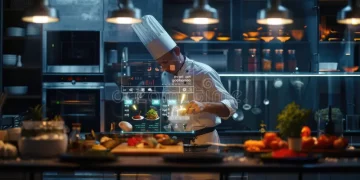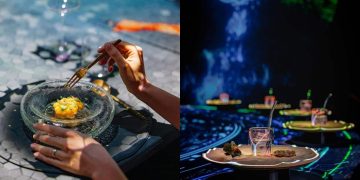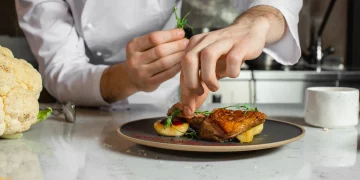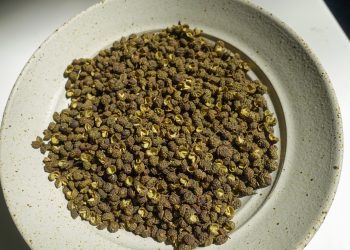










In recent years, the landscape of modern gastronomy has undergone a radical transformation. Chefs no longer adhere strictly to the classical principles of balance and harmony in flavor. Instead, they are embracing the concept of contrast and conflict—creating bold, unexpected combinations that challenge the traditional understanding of taste. The age-old philosophy of food being a perfect balance of sweet, salty, bitter, and sour has given way to a more dynamic approach, where opposites are deliberately paired to invoke surprise and freshness.
This article will explore how contemporary chefs are moving beyond the idea of a perfect, balanced dish to create culinary experiences that are exciting, bold, and full of unexpected twists. By embracing contradiction in their cooking, chefs are reinventing traditional culinary norms, pushing the boundaries of flavor pairings, and ultimately altering the very way we perceive food.
1. The Evolution of Flavor Pairings: From Balance to Conflict
For centuries, the philosophy of flavor balance was paramount in culinary practice. The classical approach to cooking, whether in French, Chinese, or other traditional cuisines, emphasized achieving a harmonious balance between sweet, sour, salty, and bitter elements. Dishes were crafted with the goal of pleasing the palate in a way that felt “complete” and “well-rounded.”
However, in recent decades, this approach has been challenged by the rise of modernist cuisine and experimental cooking techniques. Chefs, especially those associated with molecular gastronomy or avant-garde dining, began to break free from these traditional ideas of balance. Instead of seeking equilibrium, chefs began to explore the potential of flavor conflict—juxtaposing opposing tastes and textures to create new, unexpected experiences.
The introduction of contrasting flavors—such as sweet paired with sour, spicy with bitter, or hot with cold—has become a hallmark of cutting-edge restaurants around the world. By purposefully creating contrast, chefs are no longer trying to please the diner with familiar, comfortable flavor profiles but instead challenging them, forcing their palates to engage with food in a deeper, more conscious way.
2. The Art of Contrasting Flavors
The use of contrasting flavors in modern cooking is not a random act but a highly calculated decision that involves careful consideration of the sensory experience. Chefs are tapping into the science of flavor perception, using unexpected pairings to heighten certain sensations and create a multi-layered dining experience.
2.1 Sweet and Salty: An Ever-Popular Contradiction
Perhaps the most well-known and widely celebrated combination of contrasting flavors is the pairing of sweet and salty. The salty-sweet duo can be found in numerous dishes, from salted caramel to chocolate and sea salt and even bacon with maple syrup. This combination is powerful because it activates two opposing taste receptors, creating a contrast that the brain finds stimulating and satisfying.
Yet, this pairing goes beyond mere popularity. Research has shown that combining salty and sweet flavors creates a broader flavor spectrum, triggering the release of certain neurotransmitters that make us feel good. The complex dance between these two flavors provides a heightened level of pleasure and enjoyment, making it a mainstay in modern cooking.
2.2 Sour and Bitter: A Bold Challenge
Less common, but equally daring, is the combination of sour and bitter. For instance, grapefruit paired with arugula, or pickled vegetables alongside dark chocolate, may initially seem strange, but the contrast of sharp acidity with the earthy, vegetal bitterness can create a strikingly unique taste. This type of pairing is often seen in dishes that aim to provoke the diner into thinking more deeply about their sensory experiences.
The interplay between these two tastes is not only intriguing but also appeals to evolutionary instincts. Bitter flavors are often associated with danger (think of poisonous plants), and sourness is a sign of ripeness or decay. By combining these two tastes, chefs create an experience that can feel like a sensory adventure, allowing diners to navigate flavors that they may not typically encounter in traditional dishes.
2.3 Spicy and Sweet: An Unlikely Union
The combination of spicy and sweet is another interesting example of flavor contrast in modern cuisine. Dishes that pair chili peppers with fruit or sweet sauces with hot spices are designed to create a complex and layered flavor profile. The heat from the spice stimulates the mouth, while the sweetness of fruits or sauces balances the intensity of the spice, providing a satisfying contrast that is both stimulating and pleasurable.
For instance, the Mango Chili Sorbet served in contemporary restaurants or the traditional Thai sweet chili sauce served with fried foods illustrates how heat and sweetness can work together to excite the palate and bring out new nuances in both flavors.
2.4 Hot and Cold: Playing with Temperature
Another form of contradiction in modern cuisine is the pairing of hot and cold elements within the same dish. The temperature contrast provides a multi-sensory experience that engages not just the taste buds but also the sense of touch. For example, a dish may feature hot soup served alongside cold sorbet, or a grilled steak served on a bed of chilled vegetables.
The contrast in temperature alters the way the body perceives the dish, often highlighting specific flavors while muting others. The hot-cold combination can create a physical tension that enhances the overall dining experience, making the meal feel dynamic and innovative.
3. Modern Chefs Pushing the Boundaries of Flavor Conflict
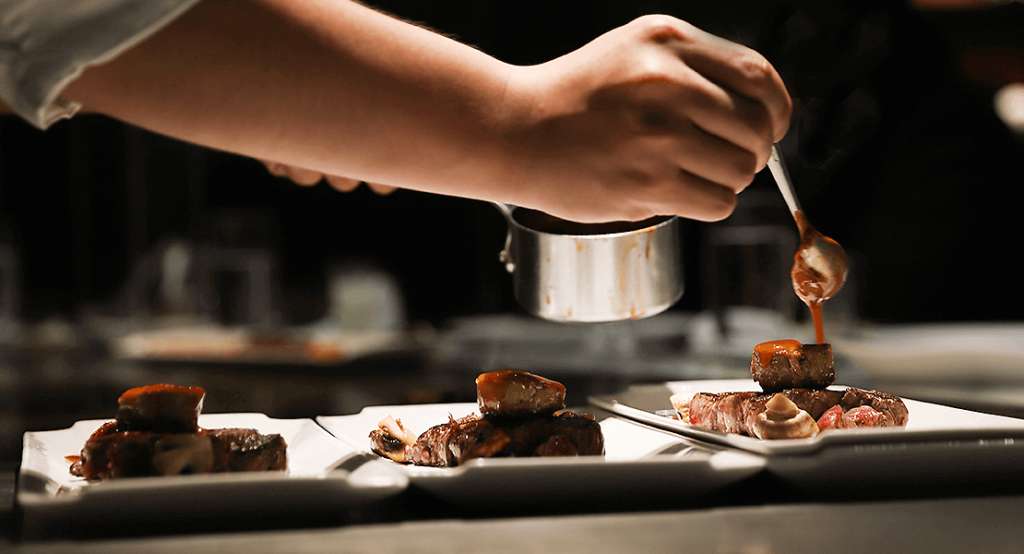
The rise of experimental chefs who embrace the use of contrasting flavors is reshaping the way food is approached in fine dining. Restaurants such as Noma in Copenhagen, El Bulli in Spain, and The Fat Duck in the UK have become symbols of innovation and creativity, often pushing flavor boundaries through both methodology and conceptual thinking.
3.1 Noma: Redefining Nature and Contrast
René Redzepi, the head chef at Noma, is known for his revolutionary approach to Nordic cuisine, where nature and seasonality are key themes. At Noma, diners often experience a clash of fresh and fermented flavors, with ingredients like pickled vegetables, smoked herbs, and wild berries intentionally paired with ingredients that feel wild, earthy, and sharp. This use of contrast brings a new dimension to simple, natural ingredients, elevating them to extraordinary heights.
3.2 El Bulli: Pioneering Molecular Pairings
At El Bulli, Ferran Adrià famously used molecular gastronomy techniques to create dishes that played with flavor contradictions. One of his most iconic dishes, the “spherified” olive, encapsulated the intense flavor of olives into a delicate, edible membrane, challenging diners to experience a burst of flavor in an unexpected texture. El Bulli’s exploration of opposites was a hallmark of Adrià’s philosophy—transforming food into a sensory challenge that invited diners to think about flavor in a more abstract, emotional way.
3.3 The Fat Duck: Multisensory Flavor Conflict
Heston Blumenthal at The Fat Duck is another chef who is known for embracing the idea of contrast. Blumenthal is renowned for creating multisensory dining experiences that involve the use of sound, sight, and smell in addition to taste. His famous dish, “Sound of the Sea”, pairs seafood with the sound of crashing waves, creating a sensory experience where the flavor of the food and the environmental sounds combine to alter how the dish is perceived. This blending of sensory contradiction makes dining at The Fat Duck a truly immersive experience that challenges how we traditionally engage with food.
4. The Future of Flavor Conflict: New Possibilities
As chefs continue to experiment with contrasting flavors, we are likely to see even more daring combinations that push the boundaries of what we understand as “good taste.” The integration of artificial intelligence and data analytics into food pairing might uncover new, unexpected flavor combinations that were previously unimaginable. Additionally, the globalization of cuisine will lead to an increase in cross-cultural contrasts—mixing traditional ingredients from Asian, Latin, and European culinary traditions to create entirely new flavor profiles.
In the future, flavor conflict will not just be a trend—it will become the new normal in the dining world. As chefs continue to challenge conventions, diners will be encouraged to embrace the unpredictable and exciting nature of food.
Conclusion
Chefs are no longer confined to the traditional rules of balance and harmony in flavor. The new wave of culinary innovation embraces contrast, conflict, and unpredictability, creating a dynamic, thrilling dining experience for those brave enough to explore it. By challenging the senses and defying the expectations of traditional flavor pairings, chefs are taking the culinary world to new heights, where boldness, creativity, and disruption are not just accepted but celebrated.
In this era of culinary revolution, it is the clash of flavors—rather than their harmony—that will likely define the next generation of food innovation. As we continue to explore the sensory complexity of food, we may find that conflict, in all its forms, holds the key to unlocking the future of gastronomy.