









In recent years, a growing trend in the culinary world has seen the emergence of zero-waste restaurants, establishments that focus on reducing waste to the bare minimum. These restaurants are designed with sustainability at their core, offering menus that maximize the use of ingredients, minimize food scraps, and even recycle organic waste into useful products. With increasing awareness of environmental issues and the global food waste crisis, the zero-waste restaurant concept has gained significant traction among conscious diners, chefs, and industry leaders.
Zero-waste restaurants are more than just a trend; they represent a critical shift in how we approach food production, consumption, and waste management in the hospitality sector. From creative menu design to innovative food preservation techniques, these restaurants aim to demonstrate that it is possible to enjoy high-quality, delicious food while minimizing our environmental footprint.
This article explores the rise of zero-waste restaurants, focusing on the factors driving their growth, the strategies they employ, and the challenges and opportunities they face in the pursuit of sustainability. We will also delve into the idea of zero-waste menus and how these establishments are reshaping the way food is prepared, served, and consumed.
Understanding Zero-Waste Restaurants: What Does Zero Waste Mean in the Culinary Context?
The Zero-Waste Philosophy
The zero-waste movement has gained momentum across a variety of industries, from fashion to packaging, and the culinary world is no exception. The core philosophy behind zero-waste restaurants is to minimize waste in all aspects of food preparation and service. This includes:
- Maximizing Ingredient Use: Every part of the ingredient is utilized, from root to stem to peel, ensuring that nothing goes to waste.
- Repurposing Leftovers: Instead of discarding leftovers, they are transformed into new dishes or preserved for future use.
- Sustainable Sourcing: Ingredients are sourced from local, sustainable farms, reducing the carbon footprint associated with food transport.
- Composting: Organic waste that cannot be used in cooking is composted, enriching the soil instead of ending up in landfills.
The goal is to create a circular food system where waste is reduced or eliminated entirely. This means using food scraps to create value-added products, such as stocks, broths, jams, and preserves, and embracing practices that reduce the environmental impact of food waste.
Zero-waste restaurants aim to be part of a broader societal shift toward sustainability. They take responsibility for their environmental impact and strive to promote ethical food consumption while providing an enjoyable dining experience.
The Growth of Zero-Waste Restaurants: Factors Driving the Trend
Environmental Awareness and the Global Waste Crisis
The rise of zero-waste restaurants can be attributed to growing environmental awareness, particularly surrounding the issue of food waste. According to the Food and Agriculture Organization (FAO), around 1.3 billion tons of food are wasted each year—nearly one-third of all food produced for human consumption. The environmental cost of this waste is staggering, with wasted food contributing to greenhouse gas emissions, landfill overflow, and the overuse of natural resources such as water and land.
As consumers become more aware of the environmental impact of their food choices, many are seeking dining options that align with their values. Zero-waste restaurants offer an appealing solution, providing not only a delicious meal but also a sense of contributing to a more sustainable future.
Consumer Demand for Sustainable Practices
In recent years, consumers have become increasingly interested in sustainable dining practices, with many actively seeking out restaurants that prioritize eco-friendly operations. This trend is particularly evident among Millennials and Generation Z, who are more likely to consider a restaurant’s sustainability efforts when making dining choices. In fact, a 2021 Nielsen report found that 66% of global consumers are willing to pay more for sustainable products.
Zero-waste restaurants meet this demand by integrating sustainability into every aspect of their operations, from sourcing ingredients to minimizing food waste to offering eco-friendly packaging. These restaurants often cater to an audience that is not only concerned with the food itself but also with the broader environmental and ethical impact of their dining experience.
Innovations in the Culinary Industry
Another factor contributing to the rise of zero-waste restaurants is the growing innovation within the culinary world. Chefs and restaurant owners are increasingly turning to creative solutions to minimize waste, often involving unique cooking techniques or the exploration of alternative ingredients.
For instance, chefs are learning how to turn leftover vegetables, stems, and peels into flavorful broths or sauces, while fruit scraps are used to make jams, pickles, or fermented dishes. Some chefs have even pioneered nose-to-tail or root-to-stem cooking, where every part of an animal or plant is used, demonstrating that food waste need not exist in the kitchen.
Furthermore, advancements in food preservation techniques such as fermentation, drying, and pickling allow restaurants to make use of seasonal ingredients and reduce spoilage, ensuring that ingredients are preserved for longer periods and can be used in multiple dishes.
The Concept of a Zero-Waste Menu: How Restaurants Create Waste-Free Dining
A zero-waste menu is designed to make full use of every ingredient, ensuring that nothing goes to waste. This requires significant thought and planning, as well as a shift in how dishes are conceptualized and executed.
Maximizing Ingredient Utilization
At the core of a zero-waste menu is the idea of maximizing ingredient utilization. For example:
- Vegetable Scraps: Carrot tops, beet greens, cauliflower stems, and potato skins are transformed into stocks, purees, or garnishes. Even tomato cores and onion skins can be used in flavorful broths.
- Fruit Scraps: Overripe fruits, fruit peels, and seeds can be made into jams, sorbets, or smoothies. Even citrus peels can be zested for flavoring or used to infuse syrups.
- Animal Parts: Bones, offal, and skin can be used to make broths, stocks, or charcuterie, showcasing the versatility of the animal and minimizing waste.
- Bread and Grains: Leftover bread can be repurposed into croutons, breadcrumbs, or even pudding. Stale grains and rice can be used as a base for salads, soups, or fritters.
Each item on the menu is designed to incorporate as much of an ingredient as possible, ensuring that no part of the produce or protein is discarded. This requires significant creativity on the part of chefs, as they must find innovative ways to turn potential waste into gastronomic treasures.
Waste-Free Dishes: Examples from Zero-Waste Restaurants
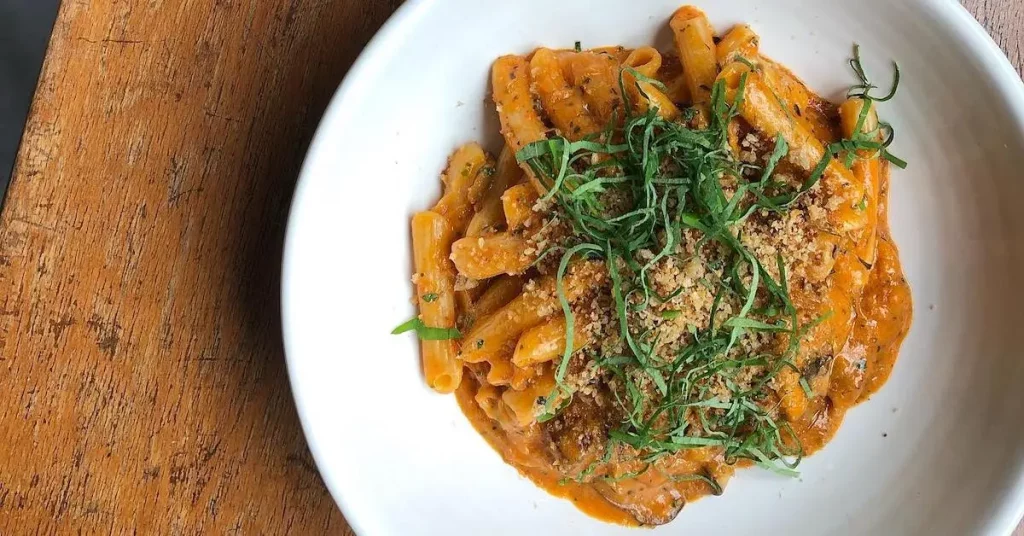
Some of the world’s most famous zero-waste restaurants have garnered attention for their inventive menus that turn food scraps into exciting, restaurant-quality dishes. Here are a few examples of the types of dishes one might find in a zero-waste restaurant:
- Broccoli Stem Soup: The stalks of broccoli are often discarded, but they make a hearty, nutritious base for a creamy soup, often paired with roasted vegetable peels or a garnish of sautéed leaves.
- Carrot Top Pesto: Instead of tossing the greens of carrots, they are blended into a vibrant pesto, paired with fresh pasta or roasted vegetables for a unique, waste-free dish.
- Banana Peel Pulled Pork: One creative dish made from upcycled food scraps involves banana peels, which, when cooked properly, mimic the texture of pulled pork and can be seasoned to perfection, offering a plant-based, zero-waste alternative to traditional meat.
- Citrus Peel Marmalade: Leftover citrus peels are turned into marmalade, utilizing the zest for added flavor and the peel for a tangy, sweet spread that minimizes waste while adding a unique touch to breakfast menus.
Sustainability Beyond the Menu: Other Zero-Waste Practices
While the zero-waste menu is the centerpiece of many zero-waste restaurants, these establishments also embrace other sustainable practices:
- Waste Reduction in Operations: Zero-waste restaurants minimize energy consumption by using energy-efficient equipment, recycling packaging, and reducing single-use plastic items. Many restaurants choose to use compostable or reusable containers and cloth napkins instead of disposable paper products.
- Waste-to-Resource Models: Organic waste is composted and used for growing herbs, vegetables, or even mushrooms. This creates a closed-loop system in which waste is used as a resource, reducing the need for additional chemical fertilizers.
- Collaborations with Local Farmers and Suppliers: Many zero-waste restaurants form partnerships with local farms that practice sustainable agriculture. These restaurants often source seasonal, organic produce and work directly with farmers to ensure that the food they receive is both fresh and responsibly grown.
- Community Engagement: Zero-waste restaurants engage with their local communities by hosting workshops or events focused on sustainability, food waste reduction, and responsible eating. These restaurants aim to educate and inspire diners to make more sustainable food choices at home.
Challenges and Opportunities for Zero-Waste Restaurants
Challenges
- Higher Costs: Zero-waste restaurants often face higher initial setup costs, especially when sourcing sustainable ingredients, investing in energy-efficient equipment, and implementing waste management systems. These costs can also affect menu pricing, potentially making the dining experience more expensive for consumers.
- Labor-Intensive Practices: The creative processes involved in repurposing food scraps and maximizing ingredient utilization can be time-consuming and labor-intensive for chefs and kitchen staff. It may require more meticulous planning and a greater degree of skill to execute the waste-free menus successfully.
- Supply Chain Limitations: Sourcing ingredients that are both local and sustainable can sometimes be challenging, particularly when seasonal products are unavailable. Zero-waste restaurants may also face challenges in acquiring food scraps or surplus produce at scale, which are crucial for their operations.
Opportunities
- Brand Loyalty: As consumers become more conscious of sustainability, zero-waste restaurants have the opportunity to build strong customer loyalty by aligning with their values. Eco-conscious diners are often willing to pay a premium for sustainable dining experiences, making it a growing market.
- Innovation and Creativity: Zero-waste restaurants have the opportunity to stand out by offering unique and innovative dishes that not only reduce waste but also offer diners a novel, sustainable culinary experience. The creativity involved in transforming food scraps into gourmet meals has the potential to become a signature offering.
- Partnerships and Recognition: Zero-waste restaurants can benefit from partnerships with sustainability-focused organizations, gaining recognition and support from eco-conscious brands, food innovators, and environmental groups. This can provide increased visibility and attract like-minded consumers.
Conclusion: The Future of Zero-Waste Dining
The emergence of zero-waste restaurants marks an exciting development in the culinary world. These establishments are not only leading the charge in reducing food waste but also paving the way for a more sustainable, ethical, and innovative future for the food industry. By offering zero-waste menus and adopting waste-minimizing practices, these restaurants are demonstrating that it is possible to enjoy delicious food while respecting the planet.
As consumer demand for sustainable dining grows, we can expect the zero-waste movement to continue expanding, pushing the boundaries of what is possible in terms of both creativity and sustainability. Zero-waste restaurants are setting a new standard for the industry, showing that culinary excellence and environmental responsibility can coexist harmoniously.
In a world where sustainability is becoming increasingly important, the zero-waste restaurant concept is not just a passing trend—it’s a vision of the future for a more responsible and eco-friendly food system.