









Introduction
In the face of accelerating climate change, increasing industrialization of agriculture, and the expansion of monoculture farming, the conservation of traditional crops and plant varieties has become a critical concern for agricultural sustainability and food security. Traditional crops, often rooted in the rich agricultural history of a region, not only provide a diverse and resilient food source but also hold significant cultural and ecological value. However, these crops, alongside the knowledge and techniques associated with them, are increasingly at risk of extinction.
The conservation of traditional crops and varieties is not merely an agricultural issue—it is a multifaceted challenge that intertwines cultural heritage, biodiversity, and sustainable food systems. In recent years, growing attention has been placed on the preservation of agricultural biodiversity and the role that traditional crops play in mitigating environmental degradation, enhancing food security, and ensuring the continuity of indigenous farming practices. This article explores the importance of preserving traditional crops, the risks they face, and the strategies employed worldwide to protect these invaluable agricultural resources.
I. The Importance of Traditional Crops and Varieties
1. Ecological Significance
Traditional crops—often referred to as heirloom or landrace varieties—are those that have been cultivated for generations within specific geographical regions. Unlike modern, industrially bred varieties, these crops are typically well-adapted to the local environment, having evolved over time to withstand the unique climate, soil conditions, and pests of the area. Their genetic diversity makes them more resilient to environmental stresses such as drought, pests, and disease.
For example, traditional varieties of wheat, rice, and maize may exhibit natural resistance to pests or drought, traits that could be crucial in the face of climate change. Furthermore, these crops often contribute to soil health and promote agroecosystem biodiversity by supporting beneficial insects and microorganisms that help maintain ecological balance.
2. Nutritional Diversity
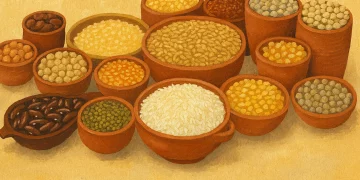
Traditional crops are often richer in nutrients compared to modern, commercially grown varieties. Many traditional crops, such as ancient grains (e.g., quinoa, teff, and millet), are packed with higher levels of protein, fiber, and micronutrients such as vitamins, minerals, and antioxidants. These crops are particularly important in areas where malnutrition is prevalent, as they can provide a more nutritionally diverse and balanced diet.
For instance, amaranth, a staple in many indigenous cultures, is known for its high protein content and is an excellent source of essential amino acids, vitamins, and minerals. Similarly, traditional legumes like lentils, chickpeas, and black beans offer a rich source of plant-based protein, supporting both local diets and sustainable farming systems.
3. Cultural and Heritage Value
Traditional crops are often intertwined with cultural practices, traditional knowledge, and culinary heritage. For many indigenous communities, the cultivation of these crops is not just about food but also about identity and cultural expression. The seeds of these plants are often passed down through generations, carrying with them stories, rituals, and agricultural wisdom that have shaped the lives and livelihoods of countless people.
For example, in the Andes Mountains, potatoes are a symbol of cultural pride and tradition, with over 4,000 varieties historically grown by the indigenous people. Each variety of potato is linked to a specific cultural event, ceremony, or harvest festival that reinforces a sense of community and place. The loss of such crops would represent not only a loss of food diversity but also a profound cultural disruption.
4. Economic Sustainability
For many rural communities, traditional crops serve as a vital economic resource, providing income and food security. Many of these crops are hardy and require fewer chemical inputs than industrial crops, making them more economically viable for smallholder farmers. Moreover, these crops often fetch higher prices in local and international markets due to their unique flavors, nutritional profiles, and status as artisan or organic products.
The global demand for organic, sustainably grown, and heirloom produce has increased in recent years, giving farmers an economic incentive to preserve traditional crops. Moreover, the development of agro-tourism and the recognition of culinary heritage as a growing niche market provide further opportunities for local economies to benefit from the conservation of traditional crops.
II. The Threats Facing Traditional Crops
Despite their many benefits, traditional crops and varieties face significant threats from several factors. These threats endanger both the biodiversity of our agricultural systems and the cultural heritage that these crops represent.
1. Modern Agricultural Practices and Monoculture
One of the most significant threats to traditional crops is the dominance of industrial agriculture and monoculture farming. Large-scale farming operations focus on the mass production of a limited number of crops that are bred for high yields, uniformity, and resistance to pests. While these practices may increase short-term productivity, they often come at the expense of genetic diversity and ecological sustainability.
The widespread adoption of genetically modified (GM) crops, in particular, has reduced the genetic pool of available varieties and has led to the marginalization of traditional crops. For instance, GM maize, soybeans, and cotton dominate the global market, crowding out native maize and other traditional cereal varieties. This shift not only threatens biodiversity but also erodes the agricultural knowledge that is passed down through generations.
2. Climate Change and Environmental Factors
As climate change leads to increasingly unpredictable weather patterns, traditional crops are particularly vulnerable. Crops that have been bred to thrive in specific climates may no longer be viable in the face of droughts, floods, or rising temperatures. Additionally, the destruction of biodiversity hotspots due to deforestation, desertification, and soil erosion further endangers the survival of these crops.
While traditional crops have adapted over generations to environmental stresses, climate change is occurring at an accelerated pace, leaving little time for natural adaptation. For example, traditional varieties of rice in Southeast Asia and teff in Ethiopia may face challenges as water resources become scarcer, and soil quality declines.
3. Loss of Traditional Knowledge
The loss of traditional knowledge and farming techniques is another major threat to the preservation of traditional crops. As the global food system shifts toward industrialized agriculture, younger generations are increasingly disconnected from their agricultural roots. The passing down of seed-saving practices, crop rotation techniques, and sustainable farming methods is becoming increasingly rare, particularly in urbanized regions.
In some communities, traditional farming is viewed as outdated or inefficient, leading to a decline in interest among younger farmers. Without the continuation of this knowledge, the preservation of traditional crops becomes even more difficult. Efforts to revitalize traditional agricultural practices, including the use of community seed banks and farmer-to-farmer networks, are crucial in maintaining the connection between people and the land.
III. Strategies for the Conservation of Traditional Crops
The conservation of traditional crops and varieties requires a comprehensive and multifaceted approach. Numerous strategies have been developed globally to safeguard these valuable agricultural resources, ranging from community-driven efforts to scientific initiatives.
1. Community Seed Banks and Seed Saving Initiatives
One of the most successful methods of conserving traditional crops is the establishment of community seed banks. These seed banks act as repositories for rare and indigenous seeds, preserving them for future generations. Community seed banks allow farmers to store, share, and trade seeds, promoting genetic diversity and ensuring that valuable plant varieties are not lost due to changing environmental conditions or market forces.
In addition to physical seed banks, digital seed banks have emerged, where seed-saving information, crop data, and farming techniques are archived and shared online. This global exchange of knowledge ensures that traditional crops can be preserved not only locally but also on an international scale.
2. Agricultural Biodiversity Preservation Programs
Many countries and international organizations have established agricultural biodiversity programs to safeguard traditional crops. These programs often involve collaborative partnerships between governments, NGOs, farmers, and researchers. For example, the Food and Agriculture Organization (FAO) works to implement initiatives that protect traditional crops and support the sustainable use of agricultural biodiversity.
Programs such as the Global Crop Diversity Trust (Crop Trust) focus on collecting and conserving seeds from around the world, making them available for future research and cultivation. These initiatives aim to protect the genetic diversity of agricultural species, ensuring that traditional crops remain a viable option for future generations.
3. Promoting Market Demand for Traditional Crops
As mentioned earlier, the growing demand for organic, local, and heirloom foods provides a strong incentive for farmers to preserve traditional crops. Farmers who grow indigenous or heritage varieties can often command a premium price in the market due to their uniqueness, nutritional benefits, and cultural significance. Farm-to-table restaurants, artisan food producers, and specialty markets can create demand for these crops, ensuring their continued cultivation.
Additionally, culinary tourism and food festivals centered around traditional foods can help increase awareness and appreciation for local agricultural heritage. By celebrating the flavor profiles, stories, and cultural significance of traditional crops, these efforts can promote their conservation and encourage their use in contemporary cuisine.
IV. Conclusion
The protection of traditional crops and plant varieties is vital to preserving agricultural biodiversity, ensuring food security, and honoring cultural heritage. These crops offer a wealth of ecological, nutritional, and economic benefits, making their conservation a top priority in the face of global challenges such as climate change, population growth, and the industrialization of agriculture.
Through collective efforts—whether via community seed banks, agricultural biodiversity programs, or the promotion of traditional crops in local and international markets—we can work toward securing a future in which traditional crops continue to thrive. By recognizing the value of these crops, not just as food sources but as vital elements of cultural identity and sustainable agriculture, we can ensure that these agricultural treasures are not lost but instead preserved for generations to come.