










Introduction
In the ever-evolving culinary world, trends come and go, but one movement that has gained significant momentum in recent years is the revival of local ingredients. Across the globe, chefs, food producers, and consumers are increasingly turning to their local environments for inspiration, rediscovering and reimagining the ingredients that have been integral to their cultures for centuries. This growing focus on local, indigenous ingredients is not just a fleeting trend; it is a profound movement rooted in a desire to reconnect with the land, embrace sustainability, and celebrate the authentic flavors that define regional culinary traditions.
The resurgence of local ingredients is also intricately linked with the farm-to-table movement, which emphasizes sourcing ingredients directly from local farms, reducing the carbon footprint of food transportation, and fostering relationships between chefs and the growers who produce the food. This movement has implications far beyond just the food industry, affecting agriculture, sustainability, and global food systems.
In this article, we will explore the revival of indigenous ingredients, the factors that have contributed to this movement, its impact on modern cuisine, and how this trend is reshaping the way we think about food. By examining the cultural, environmental, and culinary significance of local ingredients, we will gain a deeper understanding of the importance of this movement and its role in the future of food.
I. The Cultural Significance of Local Ingredients
1. Local Ingredients and Cultural Identity
Food is intrinsically tied to culture. For centuries, communities around the world have developed culinary practices centered around the ingredients native to their regions. These indigenous ingredients, whether grains, fruits, vegetables, or proteins, are the backbone of traditional cooking, passed down through generations.
Each ingredient holds a unique cultural significance and plays a pivotal role in defining regional cuisine. The revival of local ingredients is more than a culinary shift—it is a return to cultural identity. By rediscovering these ingredients, modern chefs are reconnecting with ancient foodways, often finding inspiration in the simple, yet powerful flavors of their cultural heritage.
For instance, in Peru, the potato is not only a staple ingredient but a symbol of the country’s diverse agricultural history, with more than 3,000 varieties grown in the Andean region. In Italy, the revival of local grains such as farro and spelt is a nod to the country’s ancient Roman roots, when these grains were once the foundation of the Mediterranean diet. The resurgence of these native ingredients is about more than just nostalgia—it’s a celebration of local knowledge and a way to preserve the traditions of the past for future generations.
2. Rediscovery of Indigenous Practices
The revival of local ingredients is also tied to the resurgence of traditional farming and cooking methods. Many of the indigenous crops and ingredients that were once commonplace have been overshadowed by industrial agriculture and the global food trade. However, in recent years, there has been a concerted effort to return to these older, more sustainable practices. This includes cultivating traditional crops, preserving ancient farming techniques, and reviving cooking methods that highlight the natural flavors and textures of the land.
For example, in the American South, the heirloom varieties of corn and beans are making a comeback, thanks to efforts by local farmers and chefs to revive these indigenous crops that were central to Native American diets long before European settlers introduced new food systems. By returning to these heirloom varieties, chefs and food producers are not only preserving important cultural heritage but also promoting biodiversity and resilience in food systems.
II. The Environmental and Economic Benefits of Local Ingredients
1. Sustainability and Reduced Carbon Footprint
One of the primary driving forces behind the revival of local ingredients is the growing concern for the environmental impact of industrial agriculture and long-distance food transportation. The global food system has become increasingly unsustainable, with the average food item traveling thousands of miles before reaching our plates. This not only contributes to greenhouse gas emissions but also reduces the freshness and nutritional quality of the food.
By sourcing local ingredients, chefs and consumers can significantly reduce the carbon footprint associated with food production and transportation. This movement aligns with the broader goals of sustainable agriculture and eco-friendly dining. Sourcing food locally means less reliance on factory farming, fewer pesticides and fertilizers, and a reduced strain on natural resources. Additionally, it supports biodiversity by encouraging the cultivation of a wide range of crops, rather than the monoculture farming systems that dominate industrial agriculture.
2. Strengthening Local Economies
Another key benefit of sourcing local ingredients is the positive impact it has on local economies. By purchasing directly from local farmers, chefs and restaurants can help ensure that money stays within the community, supporting small-scale producers and family farms. This creates a more resilient food system that is less vulnerable to global supply chain disruptions and economic downturns.
Local ingredients also support food sovereignty, empowering communities to have greater control over the food they grow and consume. In many regions, this shift towards local food systems is fostering a new generation of farmers and producers who are committed to sustainable, ethical practices. This is particularly important in regions where agricultural land is being lost to urbanization and industrialization, as the revival of local crops can serve as a tool for preserving traditional ways of life and promoting food security.
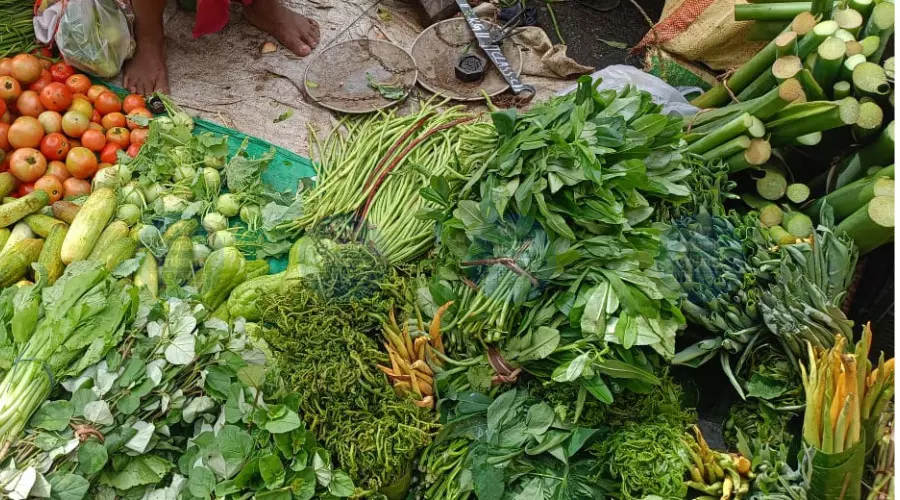
III. The Role of Local Ingredients in Modern Cuisine
1. From Farm to Table: The Rise of Local and Seasonal Menus
The farm-to-table movement has been one of the most prominent forces in the resurgence of local ingredients. This movement emphasizes sourcing food directly from local farms and markets, often with a focus on seasonal produce and ethically raised livestock. Many chefs today are embracing this philosophy, designing their menus around what is available locally and seasonally.
For example, in California, chefs like Alice Waters of Chez Panisse have long championed the use of locally sourced ingredients, helping to establish the farm-to-table ethos as a mainstay of American dining. This approach not only promotes the use of fresh, seasonal ingredients but also reduces the food miles associated with transportation, ensuring that diners enjoy the peak flavors of the season.
The focus on local and seasonal ingredients has also encouraged innovation in the kitchen. As chefs work within the constraints of what is available in their region, they are forced to be more creative and resourceful. This has led to the discovery of new flavor combinations, unique cooking techniques, and a deeper appreciation for the diversity of local foods.
2. Contemporary Interpretations of Traditional Dishes
While traditional ingredients are making a comeback, modern chefs are not simply replicating the past—they are reinterpreting and reinventing it. The return of local ingredients is prompting a new generation of chefs to experiment with traditional recipes and cooking techniques, adapting them to contemporary tastes and presentation styles.
In Mexico, for example, corn—a staple food for thousands of years—is being used in new ways, such as in molecular gastronomy or as part of innovative street food. Similarly, in Japan, chefs are taking traditional ingredients like seaweed and miso and incorporating them into modern fusion dishes. These culinary explorations demonstrate how local ingredients can serve as the foundation for creativity and innovation, while still maintaining a deep respect for tradition.
3. Elevating the Profile of Indigenous Foods
The revival of local ingredients also involves shining a spotlight on foods that were once marginalized or overlooked. Many indigenous ingredients are now being celebrated for their nutritional value, unique flavors, and cultural significance. Ingredients like amaranth, quinoa, and teff—once relegated to specific regions or niche markets—are now being embraced by chefs and consumers alike for their health benefits and sustainability.
At the same time, local food movements are helping to preserve culinary heritage by ensuring that indigenous crops, recipes, and food practices are passed down to future generations. This has a broader cultural impact, as it helps to foster intergenerational knowledge and pride in local food traditions.
IV. Challenges and Future Outlook
While the revival of local ingredients is undoubtedly an exciting and promising movement, it is not without its challenges. The transition to more localized food systems requires significant investment in education, infrastructure, and policy. It also involves overcoming logistical barriers related to food preservation, distribution, and storage. Additionally, the increasing demand for local ingredients places pressure on small farmers and producers, who may not always have the resources to meet the demands of larger-scale commercial kitchens.
However, the future of local ingredients looks bright. As consumers continue to embrace sustainability, health, and authenticity, there will be growing demand for food that is ethical, local, and environmentally responsible. With continued innovation, collaboration, and support for local food systems, the return of local ingredients has the potential to transform not just the way we eat, but the way we relate to the world around us.
Conclusion
The revival and return of local ingredients is one of the most important and exciting culinary movements of our time. As chefs and consumers rediscover the wealth of flavors and cultural significance embedded in their native food traditions, they are not only celebrating the past but also shaping a more sustainable, authentic, and innovative future for food. This movement is about reconnecting with the land, embracing sustainable practices, and honoring the rich culinary heritage that defines regional and indigenous cuisines.
As we look to the future of food, it is clear that the resurgence of local ingredients is a key piece of the puzzle—one that will continue to inspire chefs, food producers, and consumers to think more deeply about the food they eat, where it comes from, and how it shapes their relationship with the world. The return to local ingredients is not just a trend; it is a return to authenticity, to the land, and to the roots of culinary creativity.