









Introduction
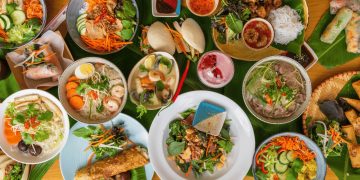
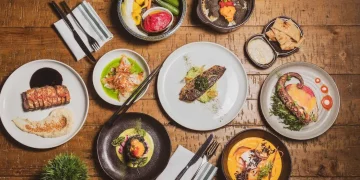
The world of contemporary cuisine has seen an incredible transformation over the last few decades, with chefs and home cooks blending traditional culinary practices from various regions into exciting, innovative dishes. Among the most fascinating developments in this evolution is the rise of Euro-Asian fusion cuisine, where the distinct flavors, techniques, and ingredients of European and Asian culinary traditions meet to create something entirely new and often unexpected.
Euro-Asian fusion reflects the globalized nature of our modern food culture, where geographical and cultural boundaries are increasingly fluid. It is a celebration of the rich culinary heritages of both continents, finding harmony between seemingly disparate cooking styles and flavor profiles. This article will explore the origins of Euro-Asian fusion cuisine, the culinary techniques involved, iconic dishes that define the movement, and the future of this exciting culinary trend.
I. The Origins of Euro-Asian Fusion Cuisine
The concept of fusion cuisine—blending elements of different culinary traditions—has been around for centuries, especially as human societies have engaged in trade, colonization, and migration. In the case of Euro-Asian fusion, this culinary evolution has its roots in the exchange of goods and culture between Europe and Asia through historical trade routes, imperial conquests, and, more recently, modern globalization.
1. Early Interactions: Trade Routes and the Silk Road
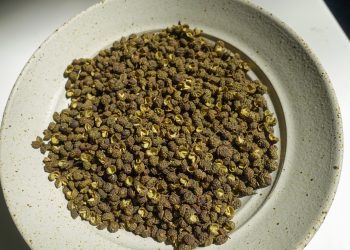
Long before the rise of modern fusion cuisine, European and Asian food cultures had already begun to influence one another. The Silk Road, the ancient trade route connecting China to Europe, facilitated the exchange of spices, ingredients, and cooking techniques that transformed both Asian and European cuisines. The introduction of spices like pepper, saffron, and cinnamon, along with tea, rice, and citrus fruits, radically altered European food systems, just as wheat, barley, and olive oil found their way into the culinary traditions of Asia.
Additionally, the colonial period brought about more direct interactions between Europe and parts of Asia. European settlers and traders brought ingredients like tomatoes, potatoes, and corn to Asia, while Asian spices such as cardamom, turmeric, and chili were introduced to European kitchens. Over time, these ingredients and cooking techniques became integral to both cuisines, setting the stage for more contemporary forms of culinary fusion.
2. Post-War Globalization and Immigration
In the aftermath of World War II, the movement of people across borders and the development of global transportation systems made cultural exchange and migration more accessible than ever before. As more immigrants from Asian countries settled in Europe (and vice versa), the exchange of food culture accelerated. Chinese, Indian, and Japanese restaurants in European cities, as well as the presence of Italian, French, and Spanish restaurants in Asia, became an important part of the food landscape.
In cities like London, Paris, and Tokyo, chefs began experimenting with the integration of European ingredients into Asian cooking techniques and vice versa. The growing popularity of California cuisine in the U.S., which combined Asian and European elements, also played a pivotal role in inspiring the Euro-Asian fusion movement.
II. Core Elements of Euro-Asian Fusion Cuisine
Euro-Asian fusion cuisine blends two vastly different culinary worlds, creating dishes that are as diverse and dynamic as the cultures they represent. While each fusion dish is unique, there are several key elements that define this culinary genre.
1. Ingredients: Blending European Staples with Asian Flavors
At the heart of Euro-Asian fusion is the marriage of traditional European ingredients with Asian spices, herbs, and condiments. European staples like cheese, butter, and olive oil are combined with Asian ingredients such as soy sauce, ginger, garlic, sesame oil, and fish sauce to create a complex, layered flavor profile that is at once familiar and novel.
For example, a French-inspired dish might include duck confit with a Thai-style coconut curry sauce, or a Spanish tapas might be paired with a Chinese-style hoisin glaze. The possibilities are endless when it comes to combining ingredients from both continents, and chefs can draw on centuries of culinary heritage from both Europe and Asia.
2. Cooking Techniques: Fusing French Precision with Asian Simplicity
The techniques used in Euro-Asian fusion cooking also reflect the blend of European and Asian culinary traditions. European cooking often focuses on precise methods such as sous-vide, pan-searing, and baking, while Asian cuisine often prioritizes speed and balance, with techniques such as stir-frying, steaming, and grilling.
Euro-Asian fusion chefs often combine these techniques to achieve optimal textures and flavors. For instance, a Chinese stir-fry might be paired with French duck breast, where the duck is first cooked using the French sous-vide method for tenderness, then quickly stir-fried with a soy-based sauce. The fusion of these techniques allows the chef to create a dish that combines the best of both culinary worlds.
3. Sauces and Condiments: Harmonizing Flavors
Sauces and condiments play a critical role in fusion cuisine, as they are often the bridge between the two culinary traditions. In Euro-Asian fusion, sauces can range from French-style creamy reductions to Asian-style spicy glazes. For example, a French béchamel might be spiced up with a touch of curry powder and served with Japanese tempura, or a Spanish romesco sauce might be paired with Korean-style grilled meats.
Many chefs in this genre create their own original sauces that combine the rich, creamy textures of European sauces with the sharp, spicy, and umami-packed flavors typical of Asian cuisines. Miso, tamarind, fish sauce, and sriracha are just a few ingredients that make their way into Euro-Asian fusion sauces.
III. Iconic Euro-Asian Fusion Dishes
Several iconic dishes embody the essence of Euro-Asian fusion cuisine. These dishes creatively combine the best aspects of both culinary traditions, offering new and exciting dining experiences.
1. Sushi Pizza
A fusion of Japanese sushi and Italian pizza, sushi pizza has become a popular dish in many fusion restaurants around the world. The base is typically a crispy rice cake or tempura crust, which serves as the “pizza dough.” Toppings include traditional sushi ingredients such as salmon, avocado, and cucumber, along with a drizzling of soy sauce and wasabi mayo. This dish combines the familiar texture of pizza crust with the refreshing flavors of sushi.
2. Dim Sum Croissants
In this hybrid dish, a classic French croissant is filled with Chinese dim sum ingredients, such as shrimps, chicken, or barbecued pork. The croissant dough, flaky and buttery, encases the savory dim sum fillings, creating a delightful contrast between European pastry and Asian flavors. This fusion dish is a perfect example of how chefs can merge two culinary worlds by reinterpreting traditional recipes in new and creative ways.
3. Paella with Thai Basil and Coconut Milk
A fusion of Spanish paella and Thai flavors, this dish combines the rich, savory rice base of paella with the creamy, aromatic coconut milk and basil of Thai cuisine. It typically includes seafood, chicken, and chorizo, cooked together with ingredients like lemongrass, lime leaves, and fish sauce to create a unique flavor profile that blends both cultures.
4. French Fries with Kimchi and Soy Sauce
A surprising fusion dish, French fries with kimchi brings together the crispy, salty crunch of European fries and the bold, spicy fermented flavors of Korean kimchi. The fries are topped with fermented cabbage, chili paste, and soy sauce, creating a unique and flavorful side dish that marries the European love for fried foods with the umami depth of Asian fermented ingredients.
IV. The Future of Euro-Asian Fusion Cuisine
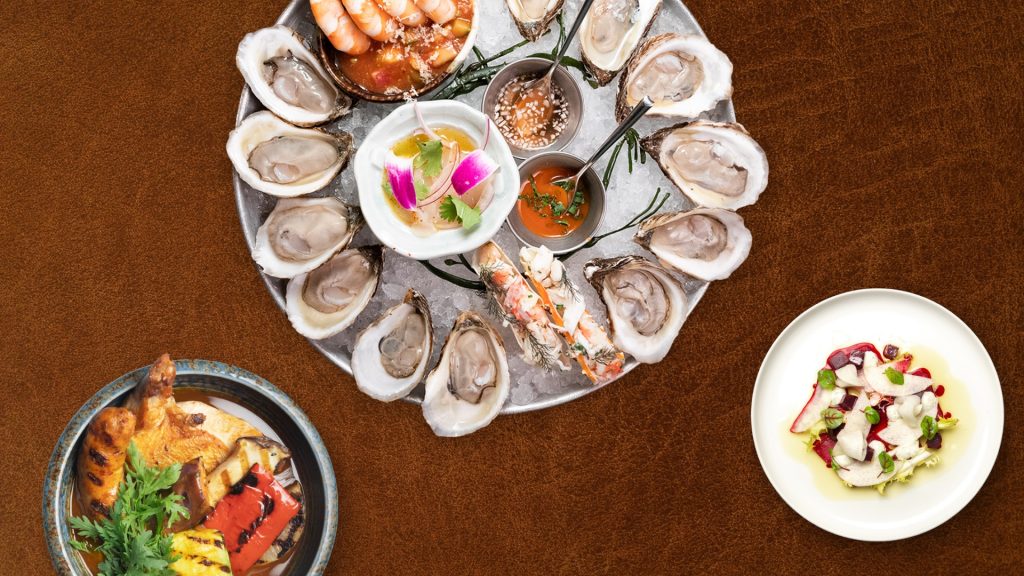
The popularity of Euro-Asian fusion cuisine continues to grow as more chefs around the world experiment with blending culinary traditions. As global mobility and the sharing of food cultures accelerate, the future of this fusion genre will likely see even more diverse and unexpected combinations. With the increasing demand for sustainable and plant-based ingredients, fusion cuisine is also evolving to incorporate more vegetarian and vegan options that highlight the best of both European and Asian plant-based traditions.
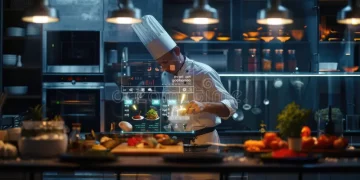
Furthermore, the continued rise of food innovation and molecular gastronomy will allow chefs to further push the boundaries of Euro-Asian fusion, incorporating new techniques and scientific approaches to create even more avant-garde dishes.
Conclusion
Euro-Asian fusion cuisine is a testament to the creativity and ingenuity of modern chefs who are constantly looking for new ways to blend culinary traditions and challenge the norms of cooking. By taking elements from European and Asian food cultures, they are creating dishes that are innovative, exciting, and full of flavor. This genre of fusion cuisine not only represents the globalized nature of the food world but also celebrates the beauty of cultural exchange and experimentation.
As culinary innovation continues to thrive, the future of Euro-Asian fusion promises to be full of unexpected flavors, textures, and combinations that will continue to push the boundaries of global gastronomy. Whether it’s sushi pizza, dim sum croissants, or paella with Thai basil, the fusion of European and Asian ingredients and techniques will remain a cornerstone of the ever-evolving food landscape.