









Introduction
In recent years, the concept of zero-waste food has emerged as a transformative movement in the global food industry. Once considered a niche concern for environmentally conscious chefs and sustainability advocates, zero-waste cooking has rapidly gained traction in mainstream restaurants, catering services, and even home kitchens. The idea is straightforward yet revolutionary: reduce food waste to an absolute minimum by utilizing every part of an ingredient, repurposing leftovers, and rethinking the entire supply chain.
Food waste is one of the most pressing environmental challenges of our time. According to the United Nations, approximately 1.3 billion tons of food are wasted globally each year, representing nearly one-third of all food produced. Beyond the ethical implications, food waste contributes significantly to greenhouse gas emissions, squanders water and energy resources, and increases pressure on global food systems. In response, the zero-waste movement is reshaping how restaurants, chefs, and consumers think about food, inspiring innovative solutions that combine sustainability, creativity, and business savvy.
This article explores the rise of zero-waste food, its principles, practical applications, and its transformative impact on the global culinary landscape. From repurposing vegetable stems to crafting gourmet dishes from overlooked ingredients, zero-waste food is proving that sustainability and gastronomic excellence can go hand in hand.
I. Understanding Zero-Waste Food
1. Definition and Philosophy
Zero-waste food goes beyond simple recycling or composting. It is a holistic approach to food production, preparation, and consumption, aiming to minimize waste at every stage. The philosophy is rooted in circular economy principles, where every resource is used efficiently, and nothing is discarded unnecessarily. For chefs, this translates to creativity in using ingredients fully, from roots to leaves, peels to stems, and even bones and shells.
The core principles of zero-waste food include:
- Inventory Optimization: Purchasing ingredients based on demand to prevent overstocking and spoilage.
- Creative Utilization: Using every part of ingredients in dishes or secondary products.
- Repurposing Leftovers: Transforming unused food into stocks, sauces, preserves, or new dishes.
- Sustainable Sourcing: Choosing ingredients with minimal environmental impact and supporting local, regenerative producers.
2. The Environmental and Economic Imperatives
Food waste has profound environmental consequences, contributing to 8–10% of global greenhouse gas emissions. Rotting food in landfills releases methane, a potent greenhouse gas, while wasted resources like water, fertilizer, and labor are lost along with discarded food. For businesses, food waste also represents a significant economic loss, as unused ingredients translate to wasted capital. According to some studies, restaurants can lose up to $1,500 per month due to food waste, highlighting the economic as well as environmental urgency of the issue.
Zero-waste practices therefore not only benefit the planet but also improve a restaurant’s profit margins by reducing operational costs, optimizing supply chains, and enhancing brand reputation.
II. Techniques and Practices in Zero-Waste Cuisine
1. Whole Ingredient Cooking
One of the foundational practices of zero-waste cuisine is whole ingredient cooking, where every edible part of an ingredient is utilized. Examples include:
- Vegetable Stems and Leaves: Broccoli stems, beet greens, and carrot tops can be incorporated into soups, stir-fries, or pesto.
- Fruit Peels: Citrus peels can be candied, zested, or used to make infusions and cocktails.
- Bones and Seafood Shells: Used to create rich stocks, broths, or sauces.
- Stale Bread: Transformed into croutons, breadcrumbs, or bread puddings.
By approaching ingredients holistically, chefs can reduce waste while discovering new flavors, textures, and culinary possibilities.
2. Innovative Menu Design
Zero-waste food has inspired chefs to design menus around sustainability and creativity. Some restaurants implement nose-to-tail cooking, where every part of an animal is used in multiple dishes, while others feature vegetable-forward menus that prioritize seasonal produce and minimize offcuts. Seasonal menu rotation also helps prevent over-ordering and ensures maximum utilization of fresh ingredients.
Additionally, some establishments create “chef’s surprise” dishes using surplus or imperfect produce, turning potential waste into high-value culinary experiences. This approach emphasizes adaptability, ingenuity, and resourcefulness, showcasing that zero-waste principles can be a selling point rather than a limitation.
3. Food Preservation and Repurposing
Preservation techniques play a crucial role in minimizing waste. Common strategies include:
- Fermentation: Extending the shelf life of vegetables and creating complex flavors, as seen in kimchi, sauerkraut, or pickles.
- Pickling and Canning: Preserving surplus vegetables and fruits for later use.
- Freezing: Maintaining freshness of perishable items, such as herbs, sauces, and proteins.
- Stock Making: Transforming bones, trimmings, and vegetable scraps into flavorful broths.
These methods not only reduce waste but also enhance the flavor profile and versatility of ingredients, allowing chefs to experiment with new culinary applications.

III. Global Examples of Zero-Waste Food Initiatives
1. Innovative Restaurants Leading the Movement
Globally, several restaurants have embraced zero-waste practices as part of their identity. Notable examples include:
- Silo (London, UK): Often referred to as the world’s first zero-waste restaurant, Silo emphasizes minimal packaging, compostable materials, and repurposing of food scraps. Their menu creatively uses leftover grains, vegetable trimmings, and animal bones to craft gourmet dishes.
- Noma (Copenhagen, Denmark): Renowned for its innovative approach to Nordic cuisine, Noma incorporates foraged ingredients, offcuts, and local produce into its seasonal menus. Fermentation, pickling, and creative use of roots and leaves are central to their zero-waste philosophy.
- SingleThread (California, USA): This restaurant combines farm-to-table principles with zero-waste practices, utilizing produce grown on-site and transforming all parts of the harvest into flavorful dishes and preserves.
These examples illustrate how zero-waste principles can enhance creativity, sustainability, and prestige in high-end dining.
2. Community and Retail Initiatives
Beyond restaurants, supermarkets, bakeries, and food producers are adopting zero-waste strategies. Programs include:
- “Ugly Produce” Campaigns: Selling imperfect fruits and vegetables that would otherwise be discarded.
- Bulk Buying and Packaging Reduction: Minimizing single-use packaging to reduce waste.
- Donation Programs: Redirecting surplus food to local charities or food banks.
These initiatives highlight the potential for zero-waste practices to extend beyond professional kitchens and influence consumer habits on a larger scale.
IV. Technological Innovations Supporting Zero-Waste Food
1. AI and Data Analytics in Food Management
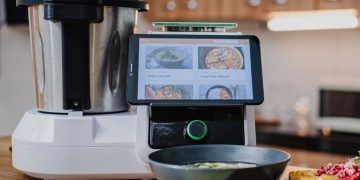
Technology is increasingly helping restaurants and food businesses reduce waste. Artificial intelligence (AI) and data analytics can predict customer demand, optimize inventory, and minimize spoilage. Restaurants can track sales patterns, seasonal trends, and ingredient usage to ensure they order only what is needed, reducing surplus and waste.
2. Upcycling and Ingredient Innovation
Food startups are developing innovative ways to upcycle food byproducts. For example:
- Okara (soy pulp) and Brewer’s Spent Grain: Used to create flour, snacks, or protein-rich baked goods.
- Fruit and Vegetable Fibers: Incorporated into baked goods, pasta, or meat alternatives.
- Spent Coffee Grounds: Transformed into edible products, cosmetics, or biofuel.
These innovations exemplify how technology and creativity can make zero-waste food commercially viable while reducing environmental impact.
3. Smart Packaging and Preservation
Advances in packaging technology also support zero-waste goals. Biodegradable, compostable, or reusable packaging helps minimize environmental impact, while vacuum-sealing and controlled-atmosphere storage extend the shelf life of fresh produce, reducing spoilage.
V. Challenges and Opportunities
While zero-waste food presents enormous potential, it also comes with challenges:
- Operational Complexity: Using all parts of ingredients requires additional training, prep time, and kitchen organization.
- Consumer Education: Diners may initially be hesitant to try dishes made from unconventional parts of ingredients.
- Supply Chain Coordination: Sourcing imperfect produce or underutilized ingredients requires close collaboration with suppliers.
Despite these challenges, the opportunities are significant. Zero-waste practices can enhance brand reputation, attract environmentally conscious consumers, and contribute to cost savings. As more people recognize the environmental, ethical, and economic benefits, zero-waste food is likely to become an industry standard.
VI. The Future of Zero-Waste Food
The future of zero-waste food lies in innovation, education, and systemic change. As global awareness of climate change and resource scarcity increases, businesses and consumers are motivated to reduce food waste. Key trends likely to shape the future include:
- Integration into Culinary Education: Culinary schools increasingly emphasize sustainability and zero-waste practices in their curricula.
- Expansion into Mass Markets: Supermarkets, food delivery platforms, and meal kit services are adopting zero-waste principles.
- Policy Support: Governments and international organizations are implementing policies to incentivize waste reduction and food redistribution.
- Cross-Industry Collaboration: Partnerships between chefs, tech companies, and sustainable agriculture startups will further drive innovation.
By embracing zero-waste principles, the global food industry can reduce its environmental footprint, increase efficiency, and inspire a new generation of culinary creativity.
Conclusion
Zero-waste food is more than a trend—it is a paradigm shift in how we perceive, prepare, and consume food. By utilizing every part of ingredients, repurposing leftovers, and adopting sustainable supply chains, chefs, restaurants, and consumers are demonstrating that environmental responsibility and culinary excellence can coexist. From gourmet restaurants to community initiatives, zero-waste practices are transforming the global food industry, offering a model for sustainability, creativity, and ethical consumption.
As awareness grows and technology supports innovation, zero-waste food is poised to become a mainstay in kitchens worldwide, reducing environmental impact while delighting the taste buds. The movement underscores a fundamental truth: with ingenuity and commitment, food waste can become a resource, creativity can flourish, and dining can contribute to a healthier planet.