









Introduction
In the world of culinary innovation, few things are as captivating as the fusion of two distinct culinary traditions to create something entirely new. One of the most intriguing examples of this trend is the emergence of Japanese-Mexican sushi, a creative culinary hybrid that blends the meticulous artistry of Japanese sushi with the bold, vibrant flavors of Mexican cuisine. This fusion reflects the globalized nature of modern gastronomy, where cultural exchange is celebrated through food, and traditional boundaries are blurred in the pursuit of new culinary experiences.
While both Japanese and Mexican cuisines are deeply rooted in their respective histories and cultures, they share certain similarities in their use of fresh, high-quality ingredients, vibrant flavors, and a focus on balancing textures and tastes. Combining these elements in the form of Japanese-Mexican sushi offers an exciting exploration of how food traditions can intersect and evolve. In this article, we will explore the origins of this unique fusion, the key elements that define it, the cultural significance behind it, and its impact on global dining trends.
I. The Origins of Japanese-Mexican Fusion Cuisine
The history of Japanese-Mexican sushi can be traced back to the broader phenomenon of sushi fusion cuisine, which emerged as chefs around the world began experimenting with sushi ingredients and techniques. Sushi, traditionally associated with Japanese culture, has undergone significant transformation over the past few decades, especially in Western countries, where it has been adapted to local tastes and paired with diverse ingredients from around the globe.
The Influence of Globalization on Sushi Culture
The rise of Japanese-Mexican sushi can be viewed as part of a larger trend where traditional food cultures from different regions collide, creating something fresh and innovative. Sushi has long been a beloved dish outside of Japan, especially in countries such as the United States, Canada, and Brazil, where sushi restaurants became popular in the late 20th century. In these regions, sushi chefs began adapting traditional Japanese sushi recipes to suit local palates, incorporating non-traditional ingredients like avocado, cream cheese, and spicy sauces.
As Japanese sushi became mainstream, it began to encounter influences from a wide range of cuisines, with Mexican ingredients and flavors quickly finding their place in sushi rolls. The pairing of sushi with Mexican ingredients such as guacamole, jalapeños, and chipotle sauce was not an immediate leap but rather a gradual process fueled by the growing interest in culinary experimentation and fusion cuisine.
The Role of Mexican Cuisine in Fusion Trends
Mexican cuisine has long been recognized for its bold, vibrant flavors, with an emphasis on fresh ingredients like tomatoes, cilantro, lime, and chili peppers. These ingredients, coupled with traditional Mexican techniques such as grilling (as seen in tacos and carne asada), provide the perfect counterpoint to the delicate flavors and textures of sushi. In the hands of skilled chefs, the boldness of Mexican flavors complements the subtlety of Japanese cuisine, resulting in a harmonious blend of two food worlds.
This fusion also speaks to the global movement toward cross-cultural culinary exchange, where food serves as a bridge between cultures and identities. Just as California rolls made sushi more accessible to the West, Japanese-Mexican sushi provides an opportunity to explore new combinations and ideas, celebrating the diversity of modern global cuisine.
II. Key Ingredients in Japanese-Mexican Sushi
At the heart of Japanese-Mexican sushi lies the combination of Japanese sushi rice and the bold, vibrant flavors of Mexican ingredients. Understanding the elements that define this fusion helps us appreciate its unique appeal and culinary ingenuity.
1. Sushi Rice: The Foundation of Sushi
The base of all sushi is the sushi rice, or shari, which is seasoned with a mixture of rice vinegar, sugar, and salt. The sushi rice provides a neutral canvas that allows the flavors of other ingredients to shine. When creating Japanese-Mexican sushi, chefs often adapt the seasoning to reflect the Mexican influences, incorporating ingredients like lime juice or a touch of chili powder to complement the boldness of Mexican flavors.
2. Fish and Seafood: The Traditional Core
Fish, particularly raw fish such as tuna and salmon, is a staple ingredient in Japanese sushi. While traditional sushi may feature sashimi-style fish or nigiri, the sushi rolls in the Japanese-Mexican fusion often incorporate seafood in creative ways. For example, tuna might be paired with spicy salsa or salmon may be dressed in a tangy mango sauce. The emphasis on fresh, high-quality fish remains central to the dish, providing a rich contrast to the more vibrant, often spicy, flavors of Mexican ingredients.
3. Avocado: A Key Mexican Element
Avocado plays a pivotal role in Japanese-Mexican sushi, drawing from its prominence in Mexican cuisine, where it is used in everything from guacamole to tacos. In sushi, avocado serves not only as a garnish but also as a creamy element that balances the spiciness of chili peppers and the acidity of lime. Its smooth texture is often used in rolls like the California roll, and it has found a natural home in the fusion rolls that marry the flavors of Mexico and Japan.
4. Spicy Sauces: The Bold Flavor of Mexico
A hallmark of Mexican cuisine is its use of chili peppers, which bring heat and depth to the food. In Japanese-Mexican sushi, spicy sauces are often used to add a bold punch to the rolls. Chipotle mayo, made from smoked chipotle peppers and mayonnaise, is a common addition, providing a smoky and spicy contrast to the coolness of the fish and avocado. Sriracha sauce, with its combination of heat and sweetness, is also frequently used to enhance the rolls.
5. Lime and Cilantro: Bright, Fresh Mexican Flavors
Lime and cilantro are key ingredients in Mexican cuisine, often used to add a bright, zesty kick to dishes. In Japanese-Mexican sushi, a squeeze of fresh lime can elevate the dish, complementing the richness of the fish and the heat of the sauces. Cilantro adds a fresh, herbaceous note that provides balance to the bold flavors in the rolls. These ingredients serve to unify the two culinary traditions, contributing to the overall freshness and vibrancy of the sushi.
6. Other Mexican Ingredients: Jalapeños and Mango
Other ingredients that define the Japanese-Mexican sushi fusion include jalapeños, which add a spicy heat, and mango, which provides a sweet, tropical contrast to the savory elements. These ingredients, often used as garnishes or in salsas, help to create a visually appealing and multi-layered flavor profile.
III. Popular Japanese-Mexican Sushi Rolls
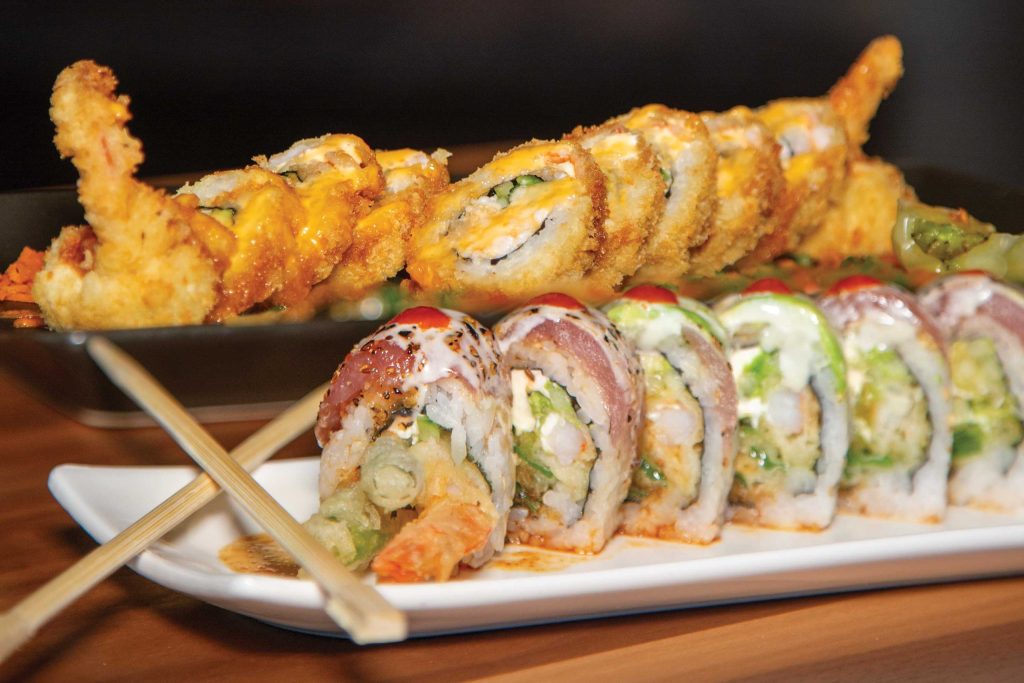
In the world of Japanese-Mexican sushi, the creativity of the chefs is on full display. Below are some of the most popular rolls and combinations that showcase the fusion of Japanese and Mexican flavors.
1. The Spicy Tuna Roll with Chipotle Mayo
This roll is a perfect example of the fusion of flavors. The spicy tuna, typically made with raw tuna, is seasoned with a combination of soy sauce, sesame oil, and chili paste, giving it a rich and flavorful taste. The chipotle mayo adds a smoky heat that pairs beautifully with the cool, fresh tuna. Some variations also include slices of avocado for added creaminess, completing the flavor profile.
2. The California Roll with a Mexican Twist
The California roll is a sushi classic, featuring crab or imitation crab, cucumber, and avocado. In a Japanese-Mexican sushi fusion, the traditional California roll is often topped with jalapeños or spicy salsa and served with a drizzle of lime juice. This addition of spice and acidity transforms the roll into a distinctly Mexican-inspired version, enhancing the freshness and adding complexity.
3. The Mango and Salmon Roll
Mango and salmon are a natural pairing, with the richness of the fish complemented by the sweet and tangy flavor of the mango. This roll typically features salmon that is thinly sliced and topped with a mango salsa that includes diced mango, cilantro, and a touch of lime. The sweetness of the mango contrasts with the heat of sriracha mayo, creating a harmonious balance of flavors.
4. The Tempura Shrimp Roll with Guacamole
In this roll, tempura shrimp provides a crispy, crunchy texture that contrasts with the creamy richness of guacamole. The shrimp is often paired with a variety of Mexican-inspired ingredients such as cilantro, lime, and spicy salsa, adding layers of flavor. The guacamole brings a creamy element to the roll, softening the heat from the spicy sauce and balancing the crispy texture of the shrimp.
5. The Baja Fish Roll
Inspired by the flavors of Baja California, this roll often features fried fish, such as battered cod or tilapia, which is crispy on the outside and tender on the inside. The fish is topped with salsa fresca, avocado, and cilantro, and the roll is typically finished with a squeeze of fresh lime. The result is a sushi roll that captures the flavors of Mexican coastal cuisine while maintaining the core principles of sushi.
IV. Cultural Significance of Japanese-Mexican Sushi
The fusion of Japanese and Mexican cuisine in sushi rolls is not merely a culinary experiment—it is a reflection of the ways in which food serves as a medium for cultural exchange. The blending of these two culinary traditions highlights the universal appeal of food as a language that transcends cultural boundaries.
Celebrating Diversity Through Food
Japanese-Mexican sushi embodies the spirit of culinary diplomacy—where food serves as a tool for cross-cultural understanding. As diners explore the unique combinations of flavors, they are not just experiencing new dishes but also engaging with two distinct cultures. This process fosters appreciation for diversity and the rich culinary traditions that shape the foods we eat.
The Role of Fusion in Contemporary Gastronomy
Fusion cuisine has become a defining characteristic of contemporary gastronomy, where chefs and food innovators are encouraged to think outside the box and blend elements from different culinary worlds. Japanese-Mexican sushi is a prime example of how food can be both traditional and modern, rooted in cultural history yet constantly evolving to reflect the tastes and preferences of today’s globalized society.
V. Conclusion
Japanese-Mexican sushi is more than just a fusion of ingredients; it is a celebration of the global nature of contemporary cuisine. By merging the delicate artistry of Japanese sushi with the bold, flavorful elements of Mexican cooking, chefs have created a dynamic culinary hybrid that resonates with food lovers worldwide. Through these innovative sushi rolls, diners are introduced to a unique culinary experience that reflects the power of food to unite cultures, break boundaries, and spark creativity.
As global food trends continue to evolve, it is clear that the cross-cultural exchange of flavors will remain at the heart of culinary experimentation. The future of Japanese-Mexican sushi, along with other fusion trends, promises to be an exciting and flavorful journey, inviting diners to explore the rich and diverse culinary landscapes that shape our world.