









Introduction
Food, as an essential part of human life, is not only a means of nourishment but also a cultural marker that reflects the history, values, and traditions of societies around the world. The act of eating is deeply intertwined with identity, heritage, and social practices, and through food, we often experience and engage with cultures other than our own. In an era of increasing globalization, cross-cultural culinary experiences have become a key avenue for exploring and celebrating the world’s diverse traditions.
As international travel, migration, and communication technologies have brought the world closer together, the exchange of food and culinary techniques has expanded beyond borders. Cross-cultural dining experiences offer people the opportunity to taste, understand, and appreciate flavors from different corners of the globe. This article explores the significance of cross-cultural culinary experiences, examining how they foster cultural exchange, enhance culinary innovation, and contribute to the broader discourse on food and identity.
I. The Role of Food in Cultural Exchange
Food is often one of the first touchpoints in the encounter between cultures. As humans, we share a fundamental need to eat, but the ways in which we prepare, serve, and consume food vary dramatically from culture to culture. This diversity in culinary practices creates opportunities for intercultural exchange and mutual understanding.
The Globalization of Food and Cultural Identity
One of the primary effects of globalization has been the spread of regional cuisines across the world. Culinary traditions once confined to specific countries or regions have become part of a shared global experience, thanks to migration, tourism, and international trade. Consider the global ubiquity of sushi, pizza, or tacos—these dishes, once representative of distinct cultures (Japanese, Italian, and Mexican respectively), are now common on menus in cities all over the world.
While this global diffusion of food is often celebrated as a sign of cultural exchange, it also raises complex questions about cultural identity and authenticity. As food travels across borders, it is often adapted to local tastes, leading to variations of original dishes that may or may not align with their traditional forms. These adaptations can be seen as a natural evolution of culinary traditions, but they also prompt discussions on the preservation of culinary heritage and the line between cultural appropriation and appreciation.
Food as a Medium for Understanding Cultural Diversity
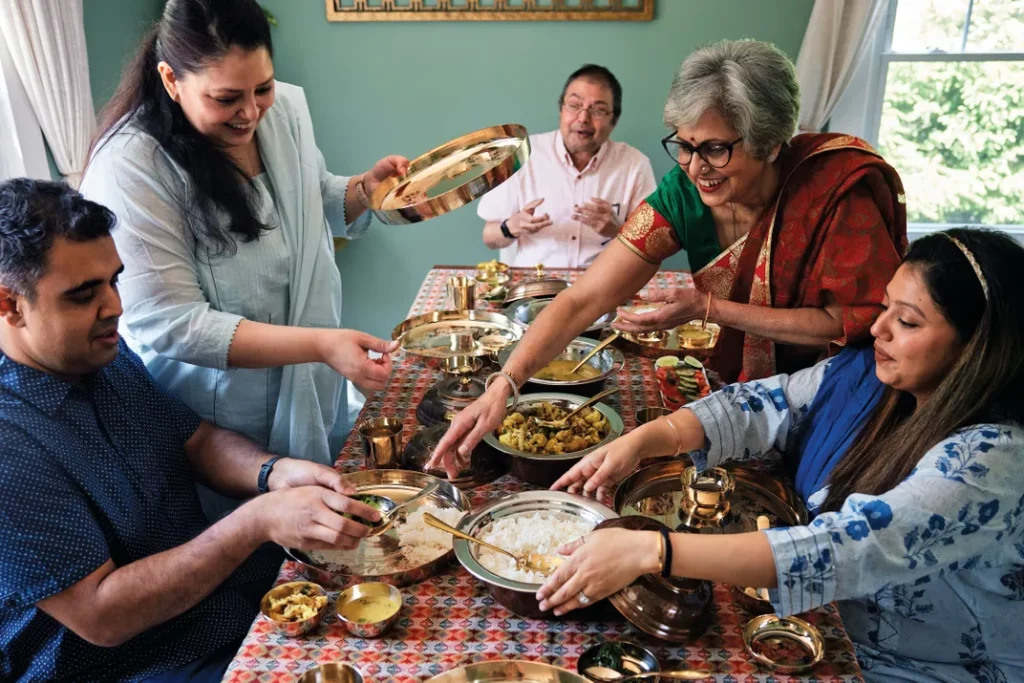
Cross-cultural dining experiences play an important role in helping people understand and appreciate cultural diversity. Sharing a meal from a different culture creates a unique opportunity for individuals to connect on a deeper level, engaging not only with the flavors and textures of the food but also with the social and cultural contexts in which it was created. For example, dining at a traditional Indian restaurant is not just about enjoying curry and naan, but about understanding the significance of spices in Indian cooking, the rituals around communal eating, and the centuries of cultural history that shape the food.
When people partake in cross-cultural culinary experiences, they often gain insight into the values and customs of the people behind the dishes. Whether it’s the Japanese custom of eating sushi with chopsticks, the Italian tradition of making pasta from scratch, or the Mexican habit of eating meals as a family around a communal table, food becomes a vessel through which people can connect with others, learn about their histories, and appreciate cultural practices.
II. The Evolution of Cross-Cultural Dining Trends
In the past few decades, cross-cultural dining has evolved into a dynamic and diverse global phenomenon. Several trends have emerged as cultures intersect and food traditions are shared and blended. These trends reflect the growing acceptance of cultural diversity in the culinary world and the desire for new, innovative dining experiences.
Fusion Cuisine: Where Culinary Traditions Meet
Fusion cuisine refers to the blending of ingredients, cooking methods, and flavor profiles from different culinary traditions to create novel and exciting dishes. This type of cooking has become increasingly popular in recent years as chefs experiment with new ways of combining diverse cultural influences. A prime example is the rise of “Asian fusion” restaurants, where traditional dishes such as sushi, dim sum, or pho are reinterpreted with ingredients or techniques from Western cuisine.
Fusion cuisine is not just about combining flavors; it is also about breaking down barriers between different cultures and creating new culinary languages that reflect the globalized world we live in. Some fusion dishes have become international staples, like the Korean BBQ taco, which combines Mexican street food with Korean barbecue, or the sushi burrito, which merges the flavors of Japanese sushi with the format of a Mexican burrito.
While fusion cuisine is often celebrated for its creativity and innovation, it is not without its critics. Some argue that fusion can sometimes dilute the authenticity of traditional dishes and trivialize the cultural significance behind them. Others argue that it represents a natural evolution of food, reflecting the blending of cultures in an increasingly interconnected world.
The Growth of International Food Tourism
The rise of international food tourism has also contributed to the expansion of cross-cultural dining experiences. In recent years, travelers have increasingly sought out culinary experiences as a central part of their trips. From food tours in Bangkok to wine-tasting experiences in Bordeaux, food has become a key motivator for travel, with tourists eager to taste regional specialties and explore the stories behind the dishes.
Food tourism is not limited to just eating at restaurants or visiting food markets. Many travelers now take part in cooking classes, food festivals, and other immersive experiences where they can learn about a culture’s food in a hands-on way. For example, tourists in Italy might take a pasta-making class in a Tuscan villa, while visitors to Morocco may participate in a cooking workshop that focuses on traditional tagine preparation. These experiences offer more than just a chance to sample a dish—they provide a deeper understanding of how food is intertwined with cultural identity and social traditions.
The Influence of Social Media on Cross-Cultural Dining
Social media has had a significant impact on the globalization of food and the rise of cross-cultural culinary experiences. Platforms like Instagram, YouTube, and TikTok have allowed food to transcend geographical boundaries, with millions of people sharing images and videos of meals from around the world. These platforms have created a global food community where culinary experiences are shared and celebrated on an unprecedented scale.
Food influencers and bloggers have become key players in promoting cross-cultural dining experiences. Their posts not only showcase diverse cuisines but also educate their audiences on the cultural significance of the food they are consuming. The rise of food blogging has also encouraged restaurants to experiment with unique fusion dishes, catering to the growing demand for new and innovative culinary experiences.
III. The Challenges and Controversies of Cross-Cultural Dining
While cross-cultural dining offers immense opportunities for cultural exchange, it also raises important issues related to authenticity, cultural appropriation, and the commercialization of food traditions.
Cultural Appropriation and the Ethics of Global Cuisine
One of the most significant ethical debates surrounding cross-cultural dining is the issue of cultural appropriation. This occurs when aspects of one culture are adopted or “borrowed” by another culture without an understanding or respect for their original context. In the food world, cultural appropriation is often seen when chefs or restaurants serve traditional dishes from other cultures without regard for their origins or significance. For example, a non-Asian restaurant serving “authentic” Chinese food that is neither prepared by Chinese chefs nor made with traditional ingredients may be viewed as appropriating Chinese culture.
The line between cultural appreciation and appropriation can be difficult to define, and it is often subjective. Many argue that cross-cultural culinary experiences can be a means of celebrating diversity, but they also stress the importance of respecting the cultural significance of food and acknowledging the history and context behind the dishes. To avoid appropriation, some argue that restaurants and chefs should engage with the cultures they draw inspiration from and work with community members to ensure that the food is prepared in an authentic and respectful way.
The Challenge of Preserving Culinary Traditions in a Globalized World
As food becomes increasingly globalized, there is a growing concern about the loss of culinary traditions. Traditional food practices are often at risk of being diluted or forgotten as they are commercialized or modified to cater to international tastes. This is particularly evident in the rise of fast food chains and multinational restaurant brands, which have brought globalized versions of local cuisines to the masses, often without regard for the nuances of the original dishes.
Efforts are being made around the world to preserve traditional food cultures. UNESCO has recognized food as an important part of cultural heritage, with its Intangible Cultural Heritage list featuring dishes like the Mediterranean diet, Mexican cuisine, and French gastronomy. These efforts aim to ensure that traditional cooking techniques, ingredients, and dishes are safeguarded for future generations.
IV. Conclusion: Embracing the Diversity of Cross-Cultural Dining
Cross-cultural culinary experiences represent a powerful tool for fostering mutual understanding, creativity, and innovation in the world of food. As we continue to explore and celebrate the world’s diverse food traditions, it is essential to approach these experiences with respect, curiosity, and a genuine desire to learn. The blending of culinary traditions through fusion cuisine, international food tourism, and the exchange of ingredients and techniques has the potential to bring people closer together, one dish at a time.
However, as we embrace the global movement of food, we must also be mindful of the challenges that come with it, including issues of cultural appropriation and the preservation of culinary authenticity. By engaging with food cultures thoughtfully and respectfully, we can ensure that food remains not only a means of nourishment but also a bridge that connects us all—regardless of our cultural backgrounds—through shared experiences, flavors, and stories.