









Introduction
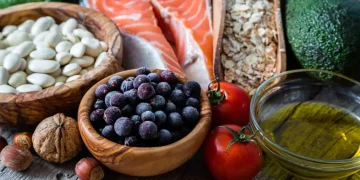
In recent years, the term “superfood” has become a buzzword in the global culinary landscape, particularly in Western countries. From smoothies to salads, these nutrient-dense foods have gained significant attention for their purported health benefits. Among the most popular superfoods are quinoa, chia seeds, matcha, and spirulina. These foods, once primarily consumed in their regions of origin, have now made their way into mainstream Western diets, appearing in health-conscious recipes and even fast food outlets.
But what exactly makes these foods “super”? Superfoods are typically rich in vitamins, minerals, antioxidants, and other compounds that are believed to promote health, boost energy, and reduce the risk of chronic diseases. As Western consumers become more health-conscious and increasingly aware of the importance of nutrition, superfoods like quinoa, chia seeds, matcha, and spirulina have moved from niche health food stores to grocery store aisles, restaurant menus, and even large-scale commercial food production.
This article explores the rise of these superfoods, their origins, nutritional profiles, health benefits, and why they have become so popular in Western diets. We will also examine the impact of globalization and the growing wellness movement on food trends and how these ancient foods have been embraced and adapted by modern, health-conscious consumers.
I. The Emergence of Superfoods in Western Diets
1.1. The Globalization of Food Culture
Globalization has played a key role in the popularization of superfoods in the West. As the world becomes more interconnected, food traditions and culinary practices that were once confined to specific regions are now accessible to a global audience. This has resulted in an influx of international ingredients into Western kitchens, with many of these foods being recognized for their impressive health benefits.
In particular, the rise of health and wellness trends in Western societies has helped propel the demand for nutritious and functional foods. As people become more aware of the potential risks of processed foods and sedentary lifestyles, many are turning to nutrient-dense alternatives like superfoods to improve their overall health. The increasing focus on preventive healthcare, coupled with the influence of social media and food bloggers, has created a perfect storm for the global rise of superfoods.
1.2. The Role of Wellness and Fitness Movements
The wellness and fitness movements that gained traction in the early 2000s have significantly shaped the way people in the West view food. With a growing emphasis on clean eating, plant-based diets, and the importance of physical activity, consumers are increasingly seeking out foods that provide more than just basic sustenance—they want foods that contribute to their health goals, whether it’s boosting energy, improving digestion, or preventing illness.
Superfoods, with their rich nutritional profiles, align perfectly with these movements. For example, quinoa is high in protein and fiber, chia seeds are packed with omega-3 fatty acids, matcha is a powerful antioxidant, and spirulina is a protein powerhouse. These benefits have made superfoods particularly appealing to people looking to optimize their health and performance, especially those following plant-based or vegan diets, where nutrient-dense foods are essential.
1.3. The Influence of Social Media and Food Bloggers
Social media platforms, especially Instagram and YouTube, have played a pivotal role in spreading the superfood trend. Health and wellness influencers, nutritionists, and chefs regularly feature these foods in their recipes and lifestyle content, showcasing their versatility and health benefits. As a result, superfoods like matcha lattes, quinoa bowls, and spirulina smoothies have become the subject of viral trends, with users eager to recreate these visually appealing and nutrient-packed meals.
In addition to food influencers, mainstream publications and celebrity chefs have also contributed to the popularity of superfoods. Celebrities like Gwyneth Paltrow, who founded the lifestyle brand Goop, have highlighted superfoods in their wellness platforms, further legitimizing their health benefits and encouraging their adoption by a wider audience.
II. Understanding the Superfoods: Quinoa, Chia Seeds, Matcha, and Spirulina
2.1. Quinoa: The Ancient Grain of the Andes
Quinoa, often referred to as a “pseudo-grain” (since it is technically a seed), has been cultivated in the Andean region of South America for over 5,000 years. While quinoa has long been a staple food for the indigenous peoples of the Andes, it is only in recent decades that it has gained widespread recognition outside of its native regions. Quinoa is prized for its versatility, flavor, and nutritional profile, making it a favored superfood among health-conscious consumers.
Nutritional Benefits:
- High in protein: Quinoa contains all nine essential amino acids, making it a complete protein source. This is particularly important for vegetarians and vegans, who may struggle to get enough protein from plant-based sources alone.
- Rich in fiber: Quinoa is an excellent source of dietary fiber, which supports healthy digestion and can help regulate blood sugar levels.
- Packed with vitamins and minerals: Quinoa is a good source of magnesium, potassium, iron, and B vitamins, all of which contribute to overall health.
The rise of gluten-free diets in the West has also contributed to quinoa’s popularity, as it is naturally gluten-free and can be used as a substitute for rice or wheat-based grains in a variety of dishes.
2.2. Chia Seeds: Tiny Seeds with Big Health Benefits
Chia seeds, native to Central and South America, have been consumed by indigenous cultures for centuries. However, it is only in recent years that these tiny, nutrient-packed seeds have become a mainstream superfood in the West. Chia seeds are incredibly versatile and can be incorporated into smoothies, baked goods, or simply soaked in water to make a gel-like consistency.
Nutritional Benefits:
- Omega-3 fatty acids: Chia seeds are an excellent plant-based source of omega-3 fatty acids, which are essential for brain health, heart health, and reducing inflammation.
- High in fiber: Chia seeds are packed with soluble fiber, which helps regulate digestion, improve satiety, and support healthy cholesterol levels.
- Antioxidants: These tiny seeds are rich in antioxidants, which help protect the body from oxidative stress and support overall health.
Chia seeds’ ability to absorb liquid and form a gel has made them popular in the creation of chia puddings, a trendy, nutrient-dense breakfast or snack option.
2.3. Matcha: The Green Tea Powerhouse
Matcha, a finely ground powder made from specially grown green tea leaves, has been a staple in Japanese culture for centuries. Traditionally consumed in ceremonial tea rituals, matcha has gained immense popularity in the West due to its unique flavor and impressive health benefits. Unlike regular green tea, where the leaves are steeped and discarded, matcha involves consuming the entire tea leaf in powdered form, making it far more concentrated in nutrients.
Nutritional Benefits:
- High in antioxidants: Matcha is particularly rich in catechins, a type of antioxidant that has been shown to have cancer-fighting properties and improve cardiovascular health.
- Boosts metabolism: The combination of caffeine and catechins in matcha is believed to increase metabolic rate and promote fat burning, making it a popular choice for those looking to boost energy or lose weight.
- Promotes calm and focus: Matcha contains L-theanine, an amino acid that promotes relaxation and enhances cognitive function without the jittery effects typically associated with caffeine.
Matcha is most commonly consumed in lattes, smoothies, and as an ingredient in desserts like cakes, cookies, and ice cream.
2.4. Spirulina: The Algae with Incredible Nutritional Density
Spirulina is a blue-green algae that has been consumed for centuries in regions such as Mexico and Africa. Its rise in popularity in the West has been driven by its exceptional nutritional profile and its status as a complete protein source. Spirulina is typically sold in powdered form and can be added to smoothies, energy bars, and even soups.
Nutritional Benefits:
- High-quality protein: Spirulina contains all nine essential amino acids, making it one of the most complete plant-based protein sources available.
- Rich in vitamins and minerals: Spirulina is a great source of B vitamins, iron, and magnesium, supporting energy production and immune function.
- Powerful antioxidant: Spirulina contains phycocyanin, a pigment-protein complex with potent anti-inflammatory and antioxidant properties.
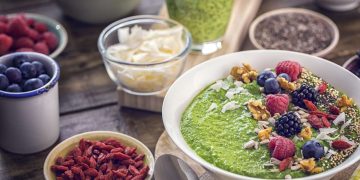
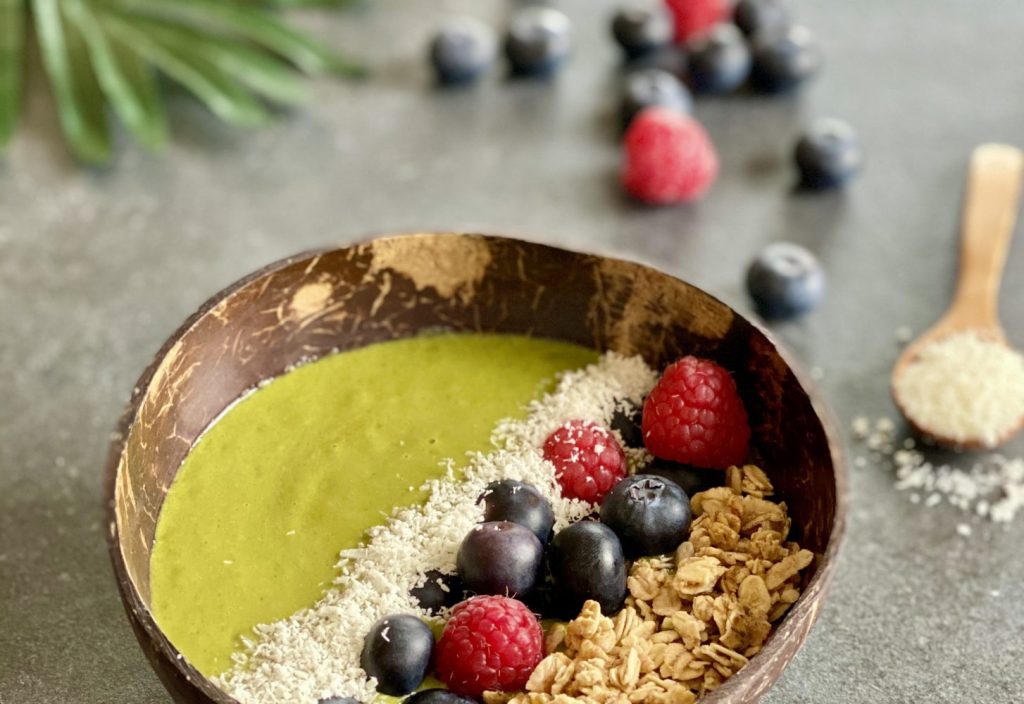
Due to its strong flavor, spirulina is typically used in small amounts, and its bright green color makes it a favorite for creating visually appealing, nutrient-dense smoothie bowls and drinks.
III. The Health Benefits and Scientific Support for Superfoods
3.1. Anti-Inflammatory Properties
Many superfoods, including quinoa, chia seeds, matcha, and spirulina, are rich in compounds that have anti-inflammatory effects. Chronic inflammation is associated with a variety of health issues, including heart disease, arthritis, and even some cancers. The antioxidants and polyphenols in these foods can help reduce oxidative stress and inflammation, promoting overall health and wellness.
3.2. Cognitive Function and Mental Health
Superfoods like matcha, rich in L-theanine and caffeine, have been shown to enhance cognitive function, increase focus, and improve mood. Regular consumption of these superfoods may support mental clarity, concentration, and mental resilience. The high levels of antioxidants in these foods may also protect against neurodegenerative diseases such as Alzheimer’s and Parkinson’s.
3.3. Heart Health
Quinoa, chia seeds, and spirulina have all been shown to support heart health. Quinoa’s high fiber content can help regulate cholesterol levels, while chia seeds provide heart-healthy omega-3 fatty acids that can reduce the risk of cardiovascular diseases. Spirulina’s ability to lower blood pressure and cholesterol levels has also made it a popular supplement for maintaining heart health.
Conclusion
The growing popularity of superfoods such as quinoa, chia seeds, matcha, and spirulina in Western diets is a testament to the increasing demand for nutritious, functional foods that support overall health and wellness. These superfoods, once confined to their regions of origin, have found a place in the global marketplace, offering consumers a wealth of health benefits, from improved energy levels to enhanced cognitive function and heart health.
As more people embrace plant-based diets, clean eating, and holistic wellness, the trend of incorporating superfoods into daily meals is likely to continue expanding. By integrating these nutrient-dense foods into modern diets, we are reconnecting with ancient food traditions while harnessing the power of modern nutritional science to improve our health.