









Introduction: The Emergence of Fusion Cuisine in a Globalized World
In an increasingly interconnected world, the concept of food transcends mere sustenance. Food has become an essential aspect of cultural exchange, identity, and creativity, deeply influenced by global travel and cross-cultural interactions. As people from different cultures and regions come together through migration, tourism, and digital platforms, the culinary world has responded with an exciting and ever-growing trend—fusion cuisine.
Fusion cuisine represents the seamless blending of culinary traditions from different parts of the world, resulting in innovative and often surprising dishes. These creations go beyond traditional recipes by incorporating diverse ingredients, techniques, and philosophies, breaking down long-standing culinary boundaries. Over the past few decades, fusion cuisine has risen from an experimental niche to a globally recognized culinary movement.
This article explores the history, significance, and future of fusion cuisine. We will examine how it has evolved from its humble beginnings to become a prominent trend on the international dining scene and analyze the implications of this culinary revolution in the context of global travel and cross-cultural exchange.
1. Understanding Fusion Cuisine: The Concept and Its Components
At its core, fusion cuisine is an artistic amalgamation of ingredients, cooking techniques, and traditions from various cultures. It’s about blending the old and the new, creating dishes that are neither entirely traditional nor entirely innovative but are a harmonious balance of both.
A. The Essence of Fusion Cuisine
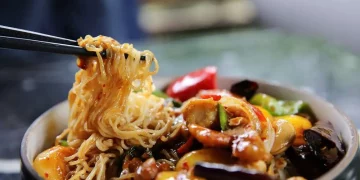
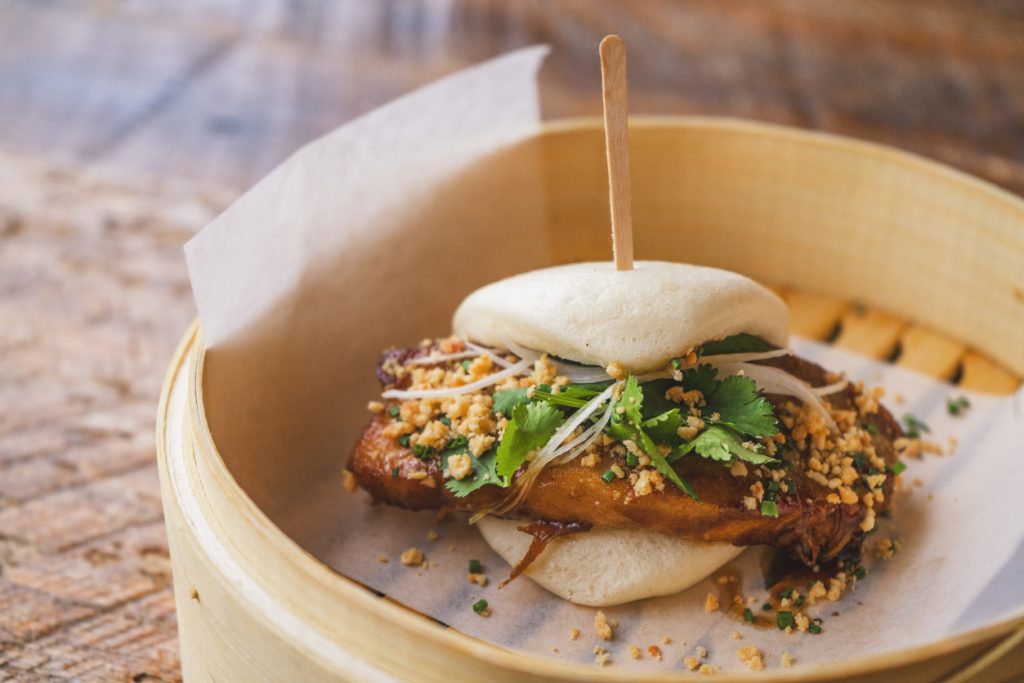
Fusion cuisine is more than just combining ingredients from different cultures; it is about creativity, innovation, and the intentional blending of diverse cooking techniques to create something new and exciting. For example, sushi burritos, tacos filled with kimchi, and Indian pizza are just a few examples of fusion cuisine that mix the essence of distinct culinary worlds into a unique dining experience.
Unlike traditional food that adheres strictly to the guidelines of its cultural origins, fusion cuisine allows chefs to experiment, step outside of culinary conventions, and draw inspiration from multiple traditions. It is often characterized by:
- Innovative combinations of ingredients (e.g., combining Asian spices with Latin American proteins or French techniques with Middle Eastern flavors).
- Creative presentations, where dishes showcase both visual art and culinary expertise.
- Breaking cultural boundaries, resulting in new flavors that are not typically associated with any single culture.
B. Examples of Fusion Cuisine
Some of the most iconic examples of fusion cuisine include:
- California rolls (Japanese-inspired sushi with American avocado and imitation crab).
- Tex-Mex (a hybrid of American and Mexican food traditions).
- Korean BBQ tacos (marrying the flavors of Korean grilled meats with the taco concept from Mexican cuisine).
- Nikkei cuisine (a blend of Japanese and Peruvian cooking traditions).
Fusion cuisine, by nature, invites experimentation and flexibility in the kitchen, allowing for unexpected yet harmonious pairings of flavors and ingredients.
2. The Historical Roots of Fusion Cuisine
The practice of blending culinary traditions has roots in historical trade and migration, long before the modern emergence of fusion cuisine in the late 20th century. As people traveled, traded, and settled across the globe, they exchanged not just goods but also cooking techniques, spices, and ingredients, laying the groundwork for fusion in food.
A. Culinary Exchange Through Historical Trade Routes
The Silk Road, which spanned from China to the Mediterranean, is one of the most famous examples of a historical trade route that facilitated the exchange of spices, herbs, and cooking methods between the East and West. This exchange directly influenced the cuisines of many cultures. For example, spices from India became a staple in both Middle Eastern and European cooking, while Chinese noodles inspired Italian pasta.
Similarly, during the Age of Exploration, colonization and the migration of peoples led to further integration of foreign ingredients into traditional dishes. For instance, African slaves in the Americas contributed ingredients such as okra, black-eyed peas, and yams, which became integral to Southern American cooking.
B. The Birth of Modern Fusion Cuisine
Modern fusion cuisine as we know it today began to emerge in the 1980s and 1990s, particularly in cities like Los Angeles, New York, and Paris, which were becoming increasingly diverse. The rise of globalization, combined with the popularity of world travel, encouraged chefs to incorporate international flavors and techniques into their menus.
One of the first chefs to popularize fusion cuisine was Wolfgang Puck, who is credited with introducing California cuisine, a style that emphasized local, fresh ingredients and often incorporated Asian, Mediterranean, and Latin flavors. In the 1990s, Puck’s restaurant Spago in Los Angeles became a cultural hub for innovative dishes that broke the boundaries of traditional French cuisine.
3. The Role of Globalization in the Rise of Fusion Cuisine
Globalization has drastically altered how people experience food. Increased access to international travel, the rapid growth of tourism, and the proliferation of digital media have created a world in which food is no longer confined to one geographic region. These changes have created fertile ground for fusion cuisine to flourish.
A. The Impact of Tourism on Culinary Exchange
As tourism continues to rise globally, so does the desire for authentic culinary experiences. Travelers are increasingly seeking out local delicacies and traditional recipes while also experimenting with hybrid dishes that reflect the dynamic cultural intersections they encounter. Street food culture, for instance, has become a global phenomenon, with vendors and chefs incorporating elements of different culinary traditions into their offerings.
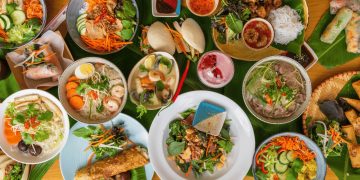
For example, Asian fusion dishes such as pad Thai tacos or pho burgers have gained popularity worldwide, especially in cities with vibrant food scenes. These creative adaptations not only showcase the growing influence of Asian cuisines but also highlight the increasing willingness of diners to embrace unfamiliar culinary combinations.
B. Digital Media and the Spread of Global Food Trends
Social media has played a pivotal role in spreading fusion cuisine trends. Platforms such as Instagram, TikTok, and YouTube have made it easier than ever for chefs and food influencers to share creative recipes with a global audience. The visual nature of these platforms has allowed food to become a form of artistic expression, with chefs showcasing their fusion creations to millions of followers around the world.
Food bloggers, vloggers, and culinary influencers play a significant role in shaping consumer preferences by making fusion cuisine accessible and digestible for people from all backgrounds. Digital content allows viewers to see not only the final dish but also the process behind creating these innovative culinary hybrids. This accessibility has further fueled the popularity of fusion cuisine, with new trends and concepts going viral across the globe.
4. Fusion Cuisine as a Reflection of Cultural Identity
Fusion cuisine is not only about combining flavors but also about reflecting the changing nature of cultural identity. As migration and cross-cultural exchanges continue, food becomes a vehicle for expressing the complexities of modern identity.
A. Identity and Authenticity in Fusion Cuisine
One of the most contentious issues surrounding fusion cuisine is the concept of authenticity. Some critics argue that fusion cuisine dilutes or even misrepresents the culinary traditions it blends. For example, California rolls—often considered a fusion dish—are viewed by some as a Western adaptation of sushi, stripping it of its authentic Japanese roots.
However, advocates of fusion cuisine argue that food, much like culture itself, is always evolving. Cultures are fluid, and culinary traditions have been evolving through the mixing of influences for centuries. From the Indian spices used in British curry to the silk road trade that introduced new cooking techniques across continents, fusion is a natural part of culinary history.
Fusion cuisine can also be seen as a celebration of multiculturalism, where food becomes a shared language for people from different cultural backgrounds. It provides an opportunity for people to experiment with the flavors and techniques of different cultures while contributing to a collective understanding of the world.
B. The Intersection of Modernity and Tradition
Fusion cuisine often finds itself at the intersection of tradition and modernity. On one hand, it seeks to preserve the essential flavors and techniques of traditional cuisines, while on the other, it encourages innovation and the breaking of culinary rules. This balance is what makes fusion cuisine both exciting and controversial, as it constantly challenges the boundaries of what is considered “authentic” and encourages creative reinterpretations of beloved dishes.
5. The Future of Fusion Cuisine
As the world becomes more interconnected, the future of fusion cuisine appears limitless. With advancements in technology, sustainability, and an ever-growing interest in plant-based and alternative proteins, fusion cuisine is poised to continue evolving and reshaping global food culture.
A. Sustainability and Fusion Cuisine
Sustainability is a major consideration in the future of food. As the environmental impact of food production becomes increasingly apparent, fusion cuisine can play a role in promoting sustainable eating habits. By combining locally sourced ingredients with global flavors, fusion chefs have the opportunity to create dishes that are both innovative and eco-conscious. Plant-based fusion dishes that incorporate locally grown vegetables or alternative proteins are already gaining popularity and are likely to continue to rise in prominence.
B. Technological Innovation and New Culinary Horizons
Advances in food technology, such as lab-grown meats, 3D-printed food, and cultured dairy products, are opening new possibilities for fusion cuisine. These technologies will allow chefs to experiment with new textures, flavors, and ingredients, leading to even more creative and sustainable fusion dishes.
Conclusion: The Enduring Allure of Fusion Cuisine
Fusion cuisine is not merely a culinary trend—it is a reflection of the globalized world in which we live. By blending ingredients and techniques from across the globe, fusion cuisine embodies the spirit of innovation and collaboration, breaking down cultural barriers and redefining the way we think about food.
As travel, migration, and digital media continue to facilitate cross-cultural exchange, fusion cuisine will remain at the forefront of the global food revolution. It serves as a testament to the power of food to unite diverse cultures, foster creativity, and redefine tradition. The future of fusion cuisine is bright, and it will undoubtedly continue to surprise, challenge, and inspire food lovers around the world for years to come.