









Introduction: Reviving the Culinary Past
In a world that is increasingly driven by convenience, global supply chains, and processed foods, the ancient art of cooking using forgotten ingredients and traditional techniques is often overlooked. Yet, there is a growing movement that seeks to reconnect with the past—reviving historic recipes, local ingredients, and time-honored cooking methods that have largely faded into obscurity in the face of modern culinary advancements. This movement is not only about nostalgia but also about exploring the rich diversity of food traditions that are integral to the heritage of different cultures.
Rediscovering these forgotten ingredients and techniques offers more than just an opportunity to taste a slice of history. It allows us to better understand the interconnectedness of food, culture, and sustainability. By embracing traditional methods, we can also promote local agriculture, reduce our reliance on mass-produced products, and rediscover flavors that have been lost over generations.
In this article, we explore how forgotten ingredients and traditional cooking techniques are being revived in today’s culinary world, highlighting the benefits of these practices and their role in shaping a more sustainable, authentic, and diverse food culture.
1. Forgotten Ingredients: A Journey Through Culinary History
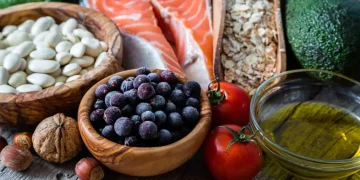
Ingredients that were once staples in kitchens around the world are now increasingly difficult to find in modern supermarkets. Many of these forgotten foods, often native to specific regions or cultures, are now rediscovered as chefs and food enthusiasts seek to reintroduce them to contemporary palates. These ingredients not only provide unique flavors but also offer rich nutritional and sustainability benefits.
Ancient Grains: The Foundation of Early Diets
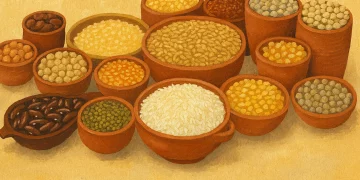
Ancient grains, once the cornerstone of traditional diets, are now making a comeback. Varieties like quinoa, farro, spelt, teff, and amaranth were the primary grains consumed by ancient civilizations across the globe, yet their cultivation dwindled with the rise of monoculture crops such as wheat and corn.
These grains are being rediscovered due to their nutritional superiority. They are often higher in protein, fiber, and micronutrients compared to modern grains, making them a more health-conscious choice for contemporary diets. Teff, for example, is not only rich in protein and iron but also boasts a low glycemic index, making it an ideal choice for those managing blood sugar levels. Similarly, farro is packed with fiber and antioxidants, making it a nutritious substitute for less healthy refined grains.
As people increasingly seek out foods with high nutritional value and low environmental impact, the revival of ancient grains is helping reconnect modern diets to the agricultural practices of the past, where biodiversity and sustainability were core to food production.
Forgotten Vegetables: A Return to Local and Heirloom Varieties
In addition to ancient grains, the culinary world is rediscovering forgotten vegetables, many of which are heirloom varieties that were once grown locally but have been replaced by commercially grown hybrid crops. These include vegetables such as salsify, oyster plant, root celery, and sorrel, which have rich, distinctive flavors but are often neglected in modern farming systems.
The rediscovery of these vegetables not only brings back unique flavors but also encourages the cultivation of local and seasonal crops, helping to preserve biodiversity and reduce the environmental impact of large-scale agriculture. These forgotten vegetables are also often better suited to regional climates, making them more resilient and less reliant on chemical inputs like pesticides or fertilizers.
For example, salsify, often described as the “oyster vegetable,” has a delicate, seafood-like flavor and was once a common feature in European kitchens. It is now being rediscovered by chefs looking to introduce umami-rich flavors into plant-based dishes.
Wild and Foraged Foods: Reconnecting with Nature
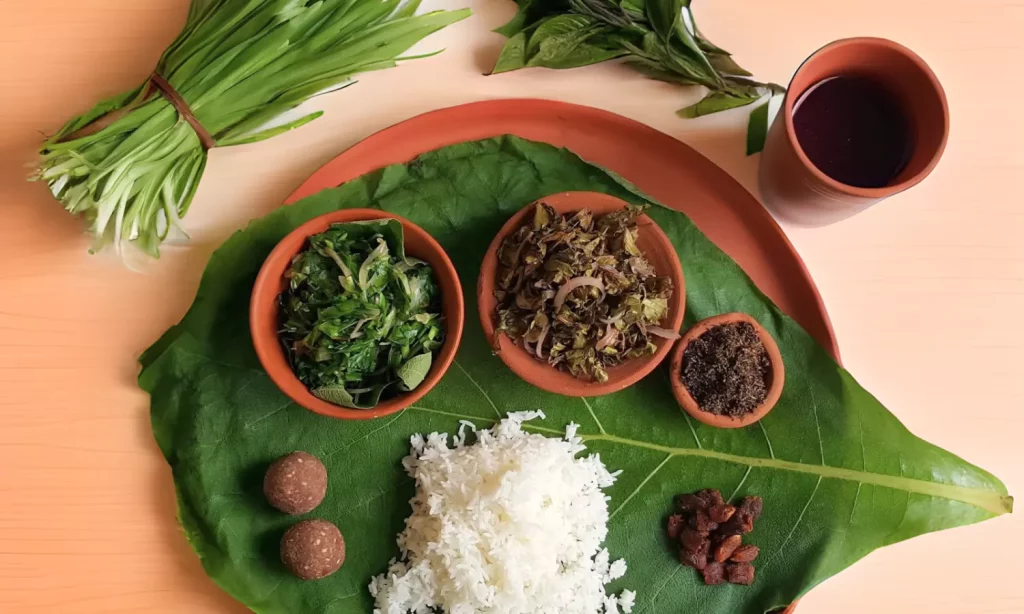
In many cultures, foraging was once a vital part of food procurement. Today, wild and foraged foods such as mushrooms, wild herbs, seaweeds, and wild greens are experiencing a resurgence. These ingredients are valued not only for their unique and intense flavors but also for their nutrient density and environmental sustainability.
Foraging, which involves harvesting plants and fungi from natural environments, has a long history in indigenous cultures and traditional foodways. It allows chefs and home cooks to connect with nature, tapping into seasonal foods that cannot be replicated by industrial farming. Moreover, many wild foods are low-maintenance and require little human intervention, making them an eco-friendly alternative to conventionally farmed produce.
For instance, seaweeds, which have been a dietary staple in coastal communities for centuries, are gaining popularity as a superfood due to their high levels of vitamins, minerals, and iodine. Likewise, wild greens like dandelion and nettle are being celebrated for their detoxifying properties and the potential to support a balanced and nutritious diet.
2. Traditional Cooking Techniques: Preserving the Past
While forgotten ingredients are making their way back into the spotlight, traditional cooking techniques are also experiencing a revival. These methods, passed down through generations, not only impart unique flavors and textures to food but also offer sustainable alternatives to modern cooking practices.
Fermentation: A Time-Honored Technique with Modern Benefits
Fermentation is one of the oldest methods of food preservation, used for thousands of years to extend the shelf life of foods, enhance flavors, and increase nutritional value. From kimchi in Korea to sauerkraut in Germany, and miso in Japan, fermentation has shaped the culinary traditions of many cultures.
Today, fermentation is enjoying a renaissance as people rediscover its health benefits, particularly in relation to gut health and probiotic content. Fermented foods like kombucha, pickles, and tempeh are now embraced for their digestive and immune-boosting properties. As awareness of gut health grows, the popularity of fermented foods continues to soar, not only as functional foods but also as a way to reconnect with the culinary past.
Slow Cooking and Open Flame Techniques
In many traditional cooking cultures, slow cooking and the use of an open flame were essential techniques. Whether it’s the slow braising of meat or the smoking of fish, these methods impart deep, rich flavors that can’t be replicated by modern, high-speed cooking appliances.
One of the most notable examples of this is the use of wood-fired ovens, which can achieve a smoky, complex flavor in bread, pizza, or roasted vegetables. Similarly, traditional methods of grilling and barbecuing over wood or charcoal, seen in cultures from the American South to the Middle East, produce flavors that cannot be replicated by gas grills or electric ovens.
In addition to flavor, slow cooking methods such as stewing, poaching, and simmering retain much of the nutritional integrity of the ingredients, preserving vitamins and minerals that can be lost in faster cooking processes. These techniques also emphasize the use of tough cuts of meat or root vegetables, which can transform over time into tender, flavorful dishes.
Preservation and Canning: Maintaining Seasonal Bounty
Before refrigeration, people relied on methods like canning, pickling, and drying to preserve food for the winter months. These methods not only allowed for the storage of food but also created new and exciting flavors through the process of fermentation and aging.
For example, pickling is a technique that can be applied to vegetables, fruits, or even meats, resulting in tangy, savory flavors that enhance a dish. Similarly, canning fruits and vegetables preserves their peak-season flavors, enabling people to enjoy seasonal produce year-round. These traditional preservation techniques are seeing a resurgence as more people focus on local and sustainable eating.
3. The Importance of Reviving Forgotten Ingredients and Techniques
The resurgence of forgotten ingredients and traditional cooking techniques offers many benefits, not just from a culinary perspective but also from an environmental and cultural standpoint. By embracing these practices, we can:
- Support local farmers and sustainable agriculture: Many forgotten ingredients are grown using traditional farming methods that are more sustainable and have a lower environmental impact.
- Revitalize cultural heritage: Reconnecting with traditional foods and cooking methods helps preserve cultural identities and culinary histories.
- Promote biodiversity: Growing heirloom varieties and lesser-known crops promotes genetic diversity, which is vital for food security.
- Improve health: Forgotten ingredients often offer unique nutritional profiles and can be a healthier alternative to industrially produced foods.
Conclusion: A Culinary Reawakening
The rediscovery of forgotten ingredients and traditional cooking techniques represents a profound shift in the way we view food. It is a movement that celebrates the richness and diversity of the world’s culinary heritage while promoting sustainability, health, and cultural preservation. By re-embracing these ancient practices, chefs and home cooks alike are rediscovering flavors and methods that have the power to transform modern dining.
In the fast-paced world of today, where convenience often trumps tradition, the revival of these culinary practices offers a much-needed reminder of the deep connections between food, culture, and nature. As we move forward, it is crucial that we continue to explore and preserve these culinary treasures, ensuring they are not forgotten but instead celebrated for generations to come.