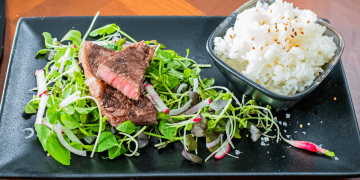










Introduction: The Art of Wagyu – A Flavor Like No Other
When it comes to world-renowned luxury meats, Japanese Wagyu stands out as one of the most coveted delicacies. Its tenderness, flavor complexity, and marbling make it a unique culinary experience. However, the premium quality of Wagyu beef is not merely a result of selective breeding or fat content alone. The rearing methods, the specific climate, and the highly controlled environment in which these cows are raised play an equally significant role in creating the distinctive flavor profile that has made Wagyu the gold standard in beef.
This article will delve into the factors that influence the flavor of Japanese Wagyu, exploring the practices that have been passed down for generations. We’ll examine the history of Wagyu, its cultural importance, and the precise farming techniques that combine to produce a beef experience unlike any other. Moreover, we will look at how modern Wagyu farms are blending traditional practices with innovation, ensuring that this unique product continues to be a hallmark of Japanese culinary excellence.
Part 1: What Makes Wagyu Beef Unique?
1.1 The Term “Wagyu” Explained
The word “Wagyu” (和牛) literally translates to “Japanese cow.” It refers not only to the breed of cattle but also to the specific production techniques and standards used in Japan. There are four main types of Wagyu cattle in Japan:
- Japanese Black (Kuroge Washu): The most famous breed, known for its high fat content and marbling.
- Japanese Brown (Akage Washu): Known for its leaner meat and distinct flavor.
- Japanese Shorthorn (Nihon Tankaku): Smaller and more muscular, producing lean meat with a robust flavor.
- Japanese Polled (Mukaku Washu): Known for producing softer, milder-flavored beef.
Of these, Japanese Black is the most renowned and is the primary breed used for premium Wagyu beef.
1.2 Marbling: The Key to Wagyu Flavor
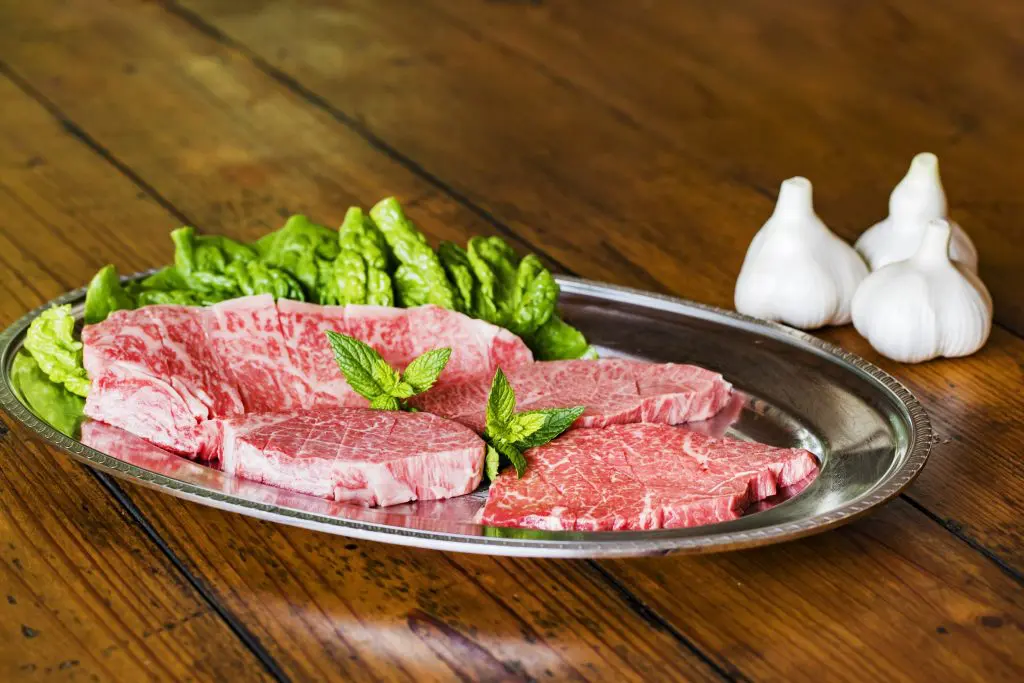
One of the most distinctive characteristics of Wagyu beef is its intramuscular fat, also known as marbling. This marbling is what gives Wagyu its melt-in-your-mouth texture and rich flavor. The higher the marbling, the better the quality of the beef.
Marbling not only enhances the texture but also contributes to the umami flavor that is so coveted by chefs and food enthusiasts. The fat in Wagyu beef melts at a lower temperature than that of typical beef, giving the meat its luxurious, buttery texture.
The marbling process is highly controlled, with selective breeding and precise farming techniques playing a significant role. The fat is not just about quantity; its distribution and composition contribute to the unique flavor profile that defines Wagyu.
Part 2: Rearing Methods: The Care and Attention to Detail
2.1 Traditional Rearing Practices
The rearing of Wagyu cattle involves several time-honored practices that contribute to the development of its unique flavor. Unlike conventional beef cattle, Wagyu are often raised with great care and attention to detail, which impacts both their health and the quality of the meat they produce.
- Small Herds: Wagyu cattle are often raised in small herds to ensure personalized care. Farmers focus on the well-being of each animal, ensuring that they are not subjected to stress, which could affect the quality of the meat.
- Stress-Free Environment: The stress-free environment is central to Wagyu production. Stress hormones, such as cortisol, can negatively impact the texture and flavor of the meat. For this reason, Wagyu cattle are raised in quiet, serene environments.
- Diet: The cattle are fed a specialized diet that includes high-quality grains, such as barley, rice straw, and corn, as well as grass. The combination of this diet helps the cattle develop the distinctive marbling that sets Wagyu apart.
2.2 The Role of Massage and Other Techniques
One of the most well-known aspects of Wagyu farming is the practice of massaging the cattle. While not universal, this practice is believed to help improve blood circulation and relieve muscle tension, contributing to the texture of the meat.
Other practices include:
- Sake and Beer Feeding: Some farms claim to feed their cattle beer or even provide them with sake, which helps stimulate their appetite and promote better weight gain.
- Cooler Temperatures: Farmers also control the climate in which Wagyu are raised, keeping them in a cool environment to avoid overheating, which could stress the cows and affect meat quality.
These careful practices are not just about quality control but also about maintaining a cultural tradition that celebrates the importance of quality over quantity.
Part 3: The Impact of Japanese Climate and Terroir
3.1 Japan’s Climate and Regional Differences
Japan’s climate, which varies from region to region, plays an important role in the flavor development of Wagyu. Warmer, more temperate regions tend to produce richer, more marbled beef, while colder climates can result in leaner cuts.
Wagyu from different regions of Japan also varies in flavor. For example:
- Kobe Beef (Hyogo Prefecture): Known for its extreme marbling, it is produced in a relatively mild climate. Kobe beef is often considered the pinnacle of Wagyu.
- Matsusaka Beef (Mie Prefecture): This beef comes from cows that are often hand-fed and massaged, and its marbling is incredibly fine.
- Omi Beef (Shiga Prefecture): Omi beef has a reputation for its tender texture and delicate flavor, with a balance of fat and lean meat.
The terroir, or environmental factors, influence not only the cattle’s diet and health but also the flavor profiles of the meat they produce.
3.2 Environmental Factors and the Role of Japanese Agriculture
The method of soil cultivation and plant selection in the regions where Wagyu are raised also affects the flavor of the beef. Farmers in Japan often engage in sustainable farming practices that focus on maintaining the health of the soil and the surrounding ecosystem.
The integration of organic farming principles, where possible, helps ensure that the cows are consuming a nutrient-rich and balanced diet, further enhancing the natural flavor of the beef.
Part 4: The Culture of Wagyu in Japan
4.1 A Symbol of Prestige and Craftsmanship
Wagyu is more than just beef; it is a symbol of Japanese culture, craftsmanship, and culinary pride. The process of raising, preparing, and presenting Wagyu is deeply embedded in the Japanese culinary tradition. In fact, Wagyu has become so ingrained in Japan’s food culture that it is often featured in fine dining, luxury hotels, and high-end restaurants.
Chefs who specialize in Wagyu dedicate themselves to honoring the meat’s natural flavors, often using minimal seasoning to let the beef speak for itself. The beef is often served in ways that highlight its marbling, such as sushi, steak, or shabu-shabu, where it is cooked at low temperatures to preserve its delicate texture.
4.2 The Economics of Wagyu
Wagyu beef is considered a premium product, and its price reflects the care and attention involved in its production. However, due to the high cost and limited supply of genuine Japanese Wagyu, it is important to be discerning about the meat’s authenticity.
Many restaurants around the world are now offering Wagyu-style beef, but true Japanese Wagyu, especially from regions like Kobe or Matsusaka, remains the gold standard. The export of Wagyu has been carefully regulated to maintain its luxury status and ensure that it remains a unique culinary experience.
Part 5: The Global Influence of Wagyu
5.1 International Popularity and Modern Innovation
While Wagyu has been enjoyed in Japan for centuries, its international popularity has soared in recent years. As demand grows globally, some chefs and producers outside of Japan have begun to experiment with cross-breeding techniques and raising Wagyu-style cattle in other countries. However, despite the global reach, authentic Japanese Wagyu remains unmatched in terms of flavor and texture.
5.2 The Future of Wagyu
Looking ahead, the future of Wagyu will likely involve sustainability and ethical farming practices. As the world becomes more concerned with environmental issues, Wagyu farms may face increasing pressure to adopt more eco-friendly methods of production while maintaining the high standards of quality that make this beef so exceptional.
Conclusion: The Intersection of Tradition, Terroir, and Taste
The unique flavor of Japanese Wagyu is a product of many factors: the breed of cattle, the care and attention of farmers, the regional climate, and the ancient traditions of Japanese agriculture. These elements, combined with the artisanal practices that have been passed down through generations, create an experience that is truly unique.
For food lovers and chefs alike, Wagyu beef represents not only the pinnacle of culinary craftsmanship but also the intersection of culture, terroir, and sustainability. As the world continues to discover the wonders of Wagyu, it remains a shining example of the delicate balance between tradition and innovation, and a reminder of the power of food to connect us to the land and the people who nurture it.