









Introduction: The Rising Popularity of Spice and Sour in Global Cuisines
In recent years, the bold combination of spicy and sour flavors has become an increasingly popular trend in global cuisine. Particularly in Southeast Asian cuisine, these flavors are celebrated for their ability to create an exhilarating and balanced sensory experience. Spicy sourness, as embodied in iconic dishes like Thai lemongrass chili chicken and spicy fruit salad, has captured the imagination of food lovers around the world. The balance between heat and tanginess introduces an entirely new layer of depth to dishes, elevating them from the mundane to the extraordinary.
This article will explore the allure of spicy and sour flavor combinations, focusing specifically on Southeast Asian cuisine, where these elements play a vital role in the culinary culture. We will delve into the history, techniques, and ingredients that make these flavor pairings so unique. We will also examine the global popularity of dishes like Thai lemongrass chili chicken, spicy fruit salads, and other spicy-sour recipes, highlighting their ability to transcend cultural boundaries.
The Flavor Profile: Spice and Sour—A Perfect Pairing
The interplay of spicy and sour creates a unique contrast that can be both invigorating and refreshing. At the heart of this pairing is the balance of two fundamental taste profiles:
- Spiciness: Derived from ingredients like chilies, ginger, and garlic, spiciness activates the body’s pain receptors, creating a tingling sensation that can be both exhilarating and addictive.
- Sourness: Achieved through the use of tangy ingredients such as lime, tamarind, or vinegar, sourness balances out the heat by providing a sharp contrast and cutting through the richness of other flavors.
When combined, these two elements can bring out the best in each other, creating a harmonious dish that is both exciting and comforting. This balance is a hallmark of many Southeast Asian cuisines, where freshness, vibrancy, and complexity are essential characteristics of their food.
Southeast Asian Influence: A Legacy of Spice and Sour
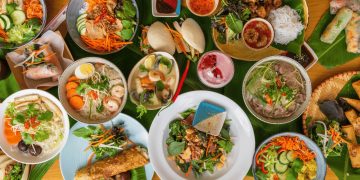
Southeast Asia has long been a hub for bold, complex flavors, and the combination of spicy and sour is integral to many traditional dishes. From the Thai cuisine known for its fragrant spices and sour notes to the Vietnamese use of tamarind and lime, these two taste elements have shaped the food cultures of the region.
1. Thai Cuisine: The King of Spice and Sour
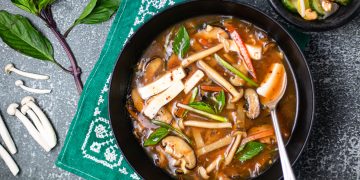
Thai cuisine is widely regarded as one of the best examples of the spicy-sour flavor pairing. The combination of lemongrass, lime, chilies, and fish sauce in many of its dishes results in a flavor profile that is vibrant and layered. Thai curries and soups, such as Tom Yum (spicy sour soup) and Som Tum (green papaya salad), have earned international acclaim for their ability to balance these intense flavors.
One iconic Thai dish that exemplifies the spicy and sour fusion is Lemongrass Chili Chicken. The use of lemongrass imparts a subtle citrus fragrance, while the chilies add heat and lime juice provides a tangy sharpness, creating an unforgettable multi-dimensional flavor.
2. Vietnamese Cuisine: The Magic of Tamarind and Lime
In Vietnam, dishes like Pho and Bánh Xèo (Vietnamese pancakes) incorporate spicy and sour elements through the use of ingredients such as tamarind, lime, and chilies. A popular Vietnamese dish, Bánh Xèo, is often served with a spicy-sour dipping sauce that complements the dish’s crispy texture and savory filling.
The use of tamarind in many Southeast Asian dishes provides a deep, tangy flavor, adding complexity to spicy-sour combinations. Tamarind is a crucial ingredient in many regional sauces, like the famous Vietnamese dipping sauce made with fish sauce, sugar, and tamarind, which enhances the balance of sweetness, saltiness, sourness, and heat.
Global Popularity of Spicy and Sour Dishes
While Southeast Asian cuisines have long championed the pairing of spicy and sour, the trend has spread globally in recent years, gaining popularity in international food scenes. The combination of heat and acidity has been embraced by chefs and home cooks alike, leading to the creation of new fusion dishes and modern interpretations of traditional recipes.
1. Thai Lemongrass Chili Chicken
One of the quintessential dishes that exemplifies the spicy-sour flavor pairing is Thai Lemongrass Chili Chicken. This dish, which combines lemongrass, chilies, lime, and a dash of fish sauce, captures the essence of Thai cooking—bright, spicy, and fresh. The chicken is typically marinated in a blend of these ingredients, and then cooked to tender perfection, absorbing the aromatic flavors.
The sourness of lime and heat from chilies cut through the richness of the chicken, making every bite a burst of flavor. This dish is a perfect representation of how spicy and sour work together in perfect harmony.
Global Popularity:
- This dish has become popular not only in Thai restaurants around the world but also as a home-cooked favorite, with many people recreating it in their kitchens for a quick, flavorful meal.
2. Spicy Fruit Salads
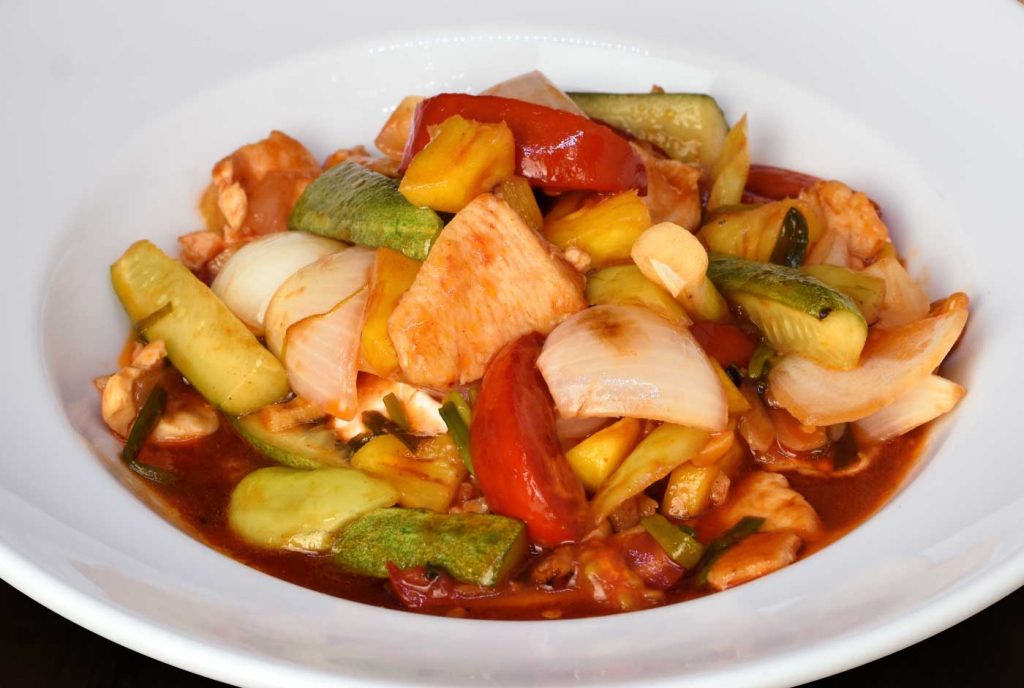
Another innovative way to combine spicy and sour is through spicy fruit salads, a staple in many Southeast Asian countries, including Thailand and Vietnam. Spicy fruit salad often combines fresh tropical fruits such as mango, pineapple, and papaya with chilies, lime, and fish sauce to create a dish that is simultaneously refreshing, spicy, and tangy.
The balance of sweetness from the fruit, spiciness from the chili, and sourness from the lime creates an irresistible dish that cleanses the palate and stimulates the senses. These salads are often served as side dishes, snacks, or appetizers and have become a popular choice in global food markets, particularly in areas with a strong Southeast Asian influence.
Popular variations:
- Som Tum (Green Papaya Salad) from Thailand, which combines shredded green papaya, chilies, lime, peanuts, and fish sauce for a crunchy, spicy-sour snack.
- Vietnamese Spicy Mango Salad, made with thinly sliced green mango, chili, lime, and fish sauce.
The Role of Spice and Sour in Modern Cuisine
The influence of Southeast Asian flavors has extended beyond traditional dishes to influence the broader world of modern cuisine. The integration of spicy-sour elements has become a signature of innovative chefs who are eager to push the boundaries of flavor combinations. Whether it is in street food, fine dining, or fusion cuisine, the use of chilies and sour ingredients has brought a new dimension to global food culture.
1. Fusion and Innovation
As the demand for new flavor experiences grows, many chefs are experimenting with spicy-sour elements in both traditional and non-traditional ways. From sushi rolls with spicy wasabi-lime sauces to Mexican tacos topped with spicy-pickled fruits, the flavor combination is spreading across cuisines and elevating classic dishes with exciting new twists.
Food Innovations:
- Spicy-Sour Sushi: Some chefs are adding chili-infused dressings or lime-miso sauces to sushi to bring a new, zesty kick.
- Fusion Tacos: Tacos filled with spicy fruit salsa made from mango, lime, and chili have become popular in contemporary Mexican cuisine.
2. Cultural Impact and Global Reach
The global reach of Southeast Asian cuisine is undeniable. As food globalization continues, flavors such as chilies and lime are becoming commonplace in Western food markets. In particular, spicy-sour dishes have gained favor in food trends, appearing in food trucks, restaurants, and recipe blogs worldwide.
Conclusion: The Lasting Appeal of Spice and Sour
The combination of spicy and sour is not just a fleeting food trend but a flavor evolution that has taken the culinary world by storm. Whether it is through the bold, fragrant flavors of Thai lemongrass chili chicken or the refreshing zest of spicy fruit salads, the balance of heat and tanginess has proved to be both universally appealing and remarkably versatile.
As we continue to explore new culinary boundaries, it is clear that spicy-sour combinations are not only here to stay but will continue to evolve and influence how we approach flavor in the kitchen. For food lovers, chefs, and home cooks alike, the fusion of spicy and sour presents endless possibilities for creating exciting, vibrant, and delicious dishes that tantalize the taste buds and bring joy to the table.