









Introduction: The Democratization of Molecular Gastronomy
Molecular gastronomy, once the exclusive domain of elite chefs and avant-garde restaurants, is now finding its way into home kitchens. The driving force behind this trend is a combination of affordable technology, user-friendly gadgets, and a growing interest among home cooks to explore culinary science. By employing tools like sous-vide machines, handheld smoking guns, and aromatic oils, home cooks can now create dishes that combine scientific precision with sensory artistry, effectively bringing restaurant-quality experiences to their dining tables.
This shift reflects a broader cultural trend in which home cooking is no longer just about sustenance; it is about experimentation, creativity, and elevated dining experiences. In this article, we will explore how these tools enable the creation of home molecular gastronomy, the techniques involved, and the implications for modern culinary practices.
The Foundations of Home Molecular Gastronomy
1. Sous-Vide: Precision Through Temperature
Sous-vide, which means “under vacuum” in French, is a method of cooking food slowly in temperature-controlled water baths. This technique allows for even cooking, enhanced flavors, and superior texture retention.
Key Advantages for Home Cooks:
- Precision Cooking: Sous-vide machines allow precise temperature control, which eliminates overcooking and preserves nutritional value.
- Consistency: Food is cooked uniformly, achieving restaurant-quality results at home.
- Flexibility: Foods can be cooked in advance and finished quickly for serving, enhancing convenience for home chefs.
Applications in Home Molecular Gastronomy:
- Cooking proteins like steak, chicken, or fish to perfect doneness.
- Infusing flavors with herbs, spices, or aromatic oils by vacuum-sealing ingredients.
- Preparing vegetables with enhanced texture and nutrient retention compared to conventional boiling or roasting.
The user-friendliness of modern sous-vide equipment allows even beginner home cooks to replicate techniques previously reserved for professional kitchens, making sous-vide the cornerstone of home molecular gastronomy.
2. Handheld Smoking Guns: Culinary Theatre at Home
Smoking guns, also known as handheld food smokers, are small devices designed to infuse dishes with smoky flavors without the need for a full-scale smoker. By burning wood chips or other flavoring agents, chefs can create aromatic layers that enhance both the flavor and the presentation of dishes.
Why Smoking Guns Are Transformative for Home Cooking:
- Versatility: They can be used on meats, cheeses, cocktails, and even desserts.
- Quick and Controlled: Unlike traditional smoking, handheld guns allow rapid flavor infusion without overcooking or altering the texture of the food.
- Sensory Appeal: The visual smoke adds theatrical flair, enhancing the dining experience.
Techniques for Home Molecular Gastronomy:
- Cold Smoking: Infusing delicate ingredients like cheese, chocolate, or fruit with a subtle smoky aroma without heat.
- Hot Smoking: Using controlled heat to add bold flavors to proteins like salmon or beef.
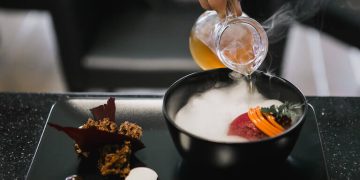
- Cocktail Infusion: Creating aromatic cocktails with smoke trapped under a glass dome for dramatic effect.
By introducing controlled smoke and aroma, handheld smoking guns allow home cooks to elevate dishes from ordinary to extraordinary, creating a multi-sensory experience akin to that of high-end restaurants.
3. Aromatic Oils: Flavor as Science
Aromatic oils are infused with herbs, spices, or fruits to deliver concentrated flavors and fragrances. In home molecular gastronomy, these oils serve as both seasoning and artistic expression, providing chefs the ability to customize dishes in terms of taste, aroma, and visual appeal.
Practical Applications:
- Finishing Touches: Drizzling aromatic oils on finished dishes enhances flavor complexity.
- Flavor Infusion: Oils can be infused with unusual combinations like rosemary-lime or chili-orange to create unique sensory profiles.
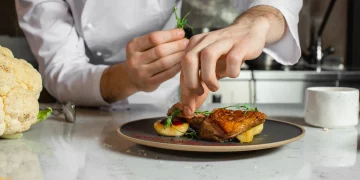
- Presentation: Carefully drizzled oils can enhance the visual composition of a plate, turning meals into artistic experiences.
Aromatic oils also integrate seamlessly with sous-vide cooking and smoking techniques, as they can be used for vacuum-sealing ingredients or enhancing smoked flavors, resulting in multi-dimensional taste profiles.
Combining the Techniques: Multi-Sensory Dishes at Home
Home molecular gastronomy thrives when these tools are combined, allowing cooks to create dishes that are scientifically precise, visually stunning, and aromatic.
Example Workflow for a Home Molecular Dish:
- Sous-Vide Preparation: Cook a salmon fillet with vacuum-sealed herbs and citrus oils at precise temperature.
- Smoking: Use a handheld smoking gun to infuse the fish with a light hickory smoke, adding depth to the flavor.
- Aromatic Oil Finish: Drizzle an herb-infused oil over the finished dish for visual appeal and enhanced aroma.
This approach demonstrates how precision, aroma, and visual presentation converge in home cooking, creating dishes that appeal to all five senses.
The Democratization of Molecular Gastronomy
The introduction of affordable, user-friendly tools has made molecular gastronomy more accessible than ever. Key factors contributing to this democratization include:
- Cost-Effective Equipment: Modern sous-vide machines and smoking guns are priced for home use, eliminating the barrier of expensive professional equipment.
- DIY Kits and Tutorials: Molecular gastronomy kits for home cooks include ingredients and instructions, simplifying techniques like spherification or gelification.
- Online Communities: Social media platforms allow chefs to share recipes, demonstrations, and tips, creating a global community of home molecular gastronomy enthusiasts.
By lowering technical and financial barriers, young chefs and home cooks alike can explore cutting-edge culinary techniques without leaving their kitchens.
Health and Sustainability Implications
Scientific cooking at home is not just about flair and presentation; it also promotes healthy and sustainable cooking practices:
- Nutrient Preservation: Sous-vide cooking preserves vitamins and minerals better than traditional high-heat methods.
- Controlled Ingredients: Home cooks can reduce sodium, sugar, and unhealthy fats by precisely controlling seasonings and infusions.
- Reduced Waste: Techniques like vacuum-sealing and controlled cooking extend shelf life and maximize ingredient use.
By combining innovation with responsibility, home molecular gastronomy aligns with modern priorities for health-conscious and environmentally friendly eating.
Cultural and Experiential Impact
Home molecular gastronomy reshapes the culinary experience, turning everyday meals into interactive and experimental events. It encourages:
- Learning Through Cooking: Experimenting with scientific techniques develops both culinary skill and knowledge of food science principles.
- Family and Social Engagement: Cooking with these techniques creates opportunities for shared experiences around the table, as visual, aromatic, and taste elements become conversation starters.
- Creativity and Expression: By experimenting with textures, flavors, and aromas, home cooks can express themselves artistically through food.
This trend highlights how innovation in cooking can transform not just the plate, but the overall experience of home dining.
Future Directions of Home Molecular Gastronomy
As technology continues to advance, we can anticipate further innovations in home molecular gastronomy:
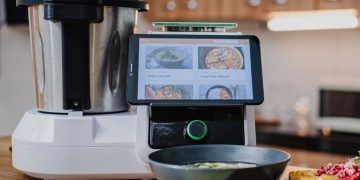
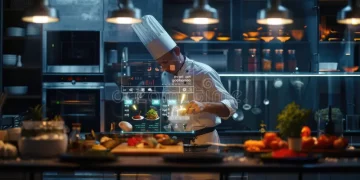
- Smart Kitchen Integration: Devices like smart sous-vide machines and aroma-controlled smoking guns could be integrated with apps and AI assistants for guided, step-by-step culinary processes.
- Expanded Ingredient Accessibility: Innovative ingredients such as edible gels, foams, and powders are becoming more readily available for home use.
- Culinary Education: Online courses and virtual workshops can teach the scientific principles behind cooking, making molecular gastronomy both educational and entertaining.
The trend indicates a future where home cooks can experiment boldly, blending science, art, and technology to create meals that rival professional kitchens in sophistication and creativity.
Conclusion: The Rise of the Home Molecular Chef
The integration of sous-vide cooking, handheld smoking guns, and aromatic oils has made molecular gastronomy accessible to home kitchens. What was once an elite, highly technical practice is now within reach for anyone with curiosity and passion. Home cooks can explore scientific precision, multi-sensory dining, and artistic plating, transforming everyday meals into culinary adventures.
Young chefs and culinary enthusiasts are driving this revolution, using technology and creativity to democratize molecular gastronomy. The result is a movement where home cooking becomes an intersection of science, art, and innovation, empowering people to experience, experiment, and enjoy food like never before.