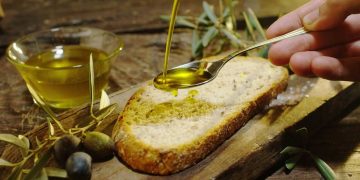










Tuscany, with its rolling hills, ancient vineyards, and rich culinary traditions, is a place where nature and culture intertwine. Among the many treasures this iconic Italian region has to offer, Tuscany’s olive oil stands out for its exceptional quality and distinct herbaceous aroma. For centuries, this liquid gold has been more than just a cooking ingredient—it has been a symbol of Tuscany’s agrarian heritage, its commitment to sustainability, and its unwavering passion for food. In this article, we explore why Tuscany’s olive oil is world-renowned, the unique characteristics that define it, and how its herbaceous aroma plays a crucial role in its exceptional flavor profile.
1. The Heart of Tuscany: Olive Oil as a Tradition
Tuscany has long been celebrated for its olive oil production. With its climate, soil, and traditional farming practices, the region is an ideal environment for growing olives. The history of olive cultivation in Tuscany dates back over 2,000 years, making it one of the oldest olive-growing regions in the world. The ancient Etruscans, followed by the Romans, were among the first to understand and harness the value of olives, using the fruit for everything from cooking and medicine to religious rituals.
Today, Tuscany’s olive oil industry remains strong, with the region producing some of the finest extra virgin olive oils (EVOO) on the global market. The importance of olive oil to Tuscany’s food culture cannot be overstated—it is a key element in everything from everyday family meals to high-end restaurant dishes, and it is the cornerstone of Tuscan cuisine.
1.1 Geography and Climate: Why Tuscany?
The unique combination of Tuscany’s geography, climate, and traditional farming methods creates the perfect conditions for growing olives. The region’s hilly terrain and abundant sunshine provide the ideal growing environment for the Frantoio, Leccino, and Moraiolo olive varieties, which are the main cultivars used in Tuscan olive oil production.
- Soil: Tuscany’s soil, enriched by the region’s volcanic origin and limestone, provides essential nutrients that contribute to the richness and complexity of the oil.
- Climate: The Mediterranean climate of Tuscany—with its hot, dry summers and mild winters—ensures that olives ripen slowly, allowing them to develop their distinct flavors.
- Altitude: The high altitudes of Tuscany’s olive groves, especially those in the Chianti Classico area, provide cooler temperatures that allow the olives to develop a stronger, more herbaceous aroma and a more intense flavor profile.
1.2 Traditional Practices: From Harvest to Mill
Olive oil production in Tuscany is steeped in tradition. While modern techniques have been integrated into the process, many producers still follow time-honored practices that prioritize quality over quantity.
- Harvesting: Most Tuscan olive oil producers use the traditional method of hand-picking olives to ensure that only the best fruit is selected. The olives are harvested early in the season, when they are still green and unripe, to maximize the concentration of polyphenols and antioxidants that give Tuscan olive oil its characteristic peppery bite and herbaceous flavors.
- Milling: After the olives are picked, they are immediately taken to the mill, where they are washed, crushed, and cold-pressed to extract the oil. This process, known as first cold pressing, preserves the delicate flavors and high nutritional content of the oil. In Tuscany, many producers still use stone mills for a slower, more careful extraction, although modern centrifugal methods are also common.
- Storage: After milling, the oil is stored in dark, airtight containers to prevent oxidation and preserve its freshness. Tuscan olive oils are best consumed within a year of harvest to enjoy the full intensity and vibrancy of their flavors.
2. The Unique Herbaceous Aroma of Tuscan Olive Oil
One of the most distinctive characteristics of Tuscany’s olive oil is its herbaceous aroma—a feature that sets it apart from oils produced in other regions of Italy or the world. The specific herbaceous note is the result of a complex interplay of factors: the type of olive cultivar, the region’s unique climate, and the early harvesting methods.
2.1 The Role of Cultivars
Tuscany is home to a variety of olive cultivars, each contributing unique flavors and aromas to the oil. The three main cultivars in Tuscany are:
- Frantoio: Known for its robust and peppery flavor, the Frantoio cultivar is one of Tuscany’s most prominent. Its oil is typically medium-bodied with a herbaceous finish. The peppery note comes from high levels of oleocanthal, a phenolic compound that gives the oil its sharp, spicy sensation.
- Leccino: This cultivar produces a more mild and fruity oil, often with hints of almond and artichoke. Though not as herbaceous as Frantoio, Leccino adds balance to the oil and helps to round out its overall profile.
- Moraiolo: Moraiolo olives are known for their bitter yet complex flavor. The oil from this cultivar has an intense green, herbaceous taste with notes of basil, rosemary, and artichoke, which contribute to its rich and aromatic nature.
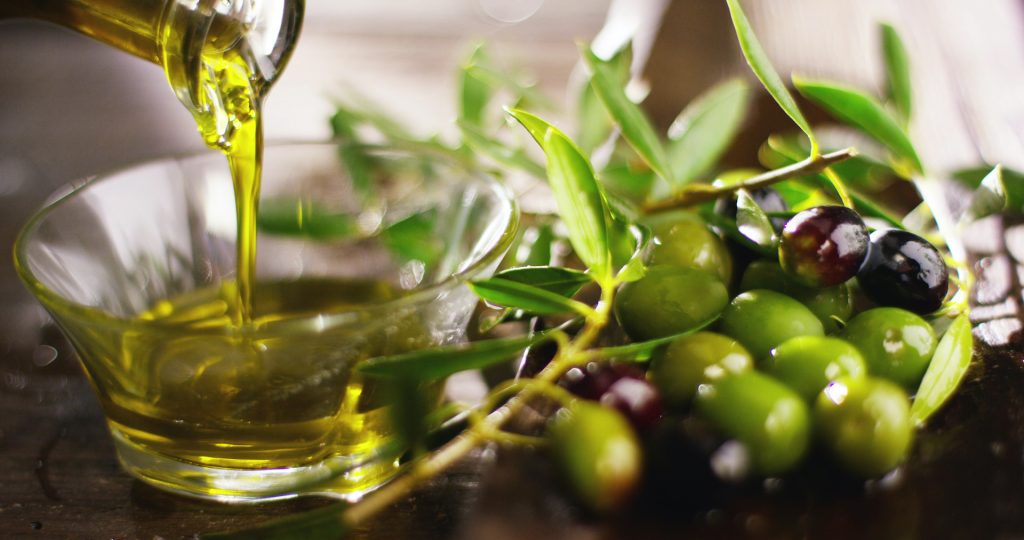
These olives, when harvested early in the season, are rich in polyphenols—natural compounds that not only give olive oil its health benefits but also contribute to its herbaceous aroma. The early harvest ensures that the oil has a fresher, greener flavor with pronounced grassy, leafy, and peppery notes.
2.2 Harvest Time and the Influence on Aroma
The time of harvest is critical to the final flavor of the olive oil. In Tuscany, olives are typically harvested in the fall before they fully ripen. This early harvest maximizes the herbaceous flavors and ensures that the oil retains its freshness and vibrancy.
Unlike oils produced from overripe olives, which can be milder and fruity, early-harvest oils exhibit a distinctive grassiness and a more intense peppery finish. This unique herbaceous aroma is what sets Tuscan olive oil apart from oils produced in regions where olives are allowed to ripen longer on the tree, such as in the southern parts of Italy or Spain.
2.3 The Influence of Terroir on Flavor
Much like wine, olive oil is influenced by its terroir—the specific environmental factors that shape the flavor of the olives. Tuscany’s combination of altitude, soil types, and climate all contribute to the unique flavor profile of its olive oils. For example, oils produced at higher elevations tend to have a stronger herbaceous aroma, with more bitter and spicy notes, while oils from lower altitudes may have a more mild, fruity flavor.
3. The Global Popularity of Tuscan Olive Oil
Over the years, Tuscan olive oil has gained a reputation as one of the finest in the world, and it continues to grow in popularity. International consumers, chefs, and food critics increasingly recognize the superior quality of this oil, with its distinctive herbaceous aroma and robust flavor making it a favorite among those who appreciate the nuances of high-end olive oils.
3.1 The Role of Olive Oil in Global Gastronomy
Tuscan olive oil has found its place in kitchens around the world, often used as a finishing touch on fresh salads, grilled meats, and pasta dishes. Its versatility and bold flavor make it an essential ingredient in the cooking repertoire of chefs who seek to elevate their dishes with authentic Italian flavors.
Moreover, the focus on ingredient traceability and the rise of sustainability-conscious consumers have further fueled the global demand for high-quality Tuscan olive oils. The DOP (Denominazione di Origine Protetta) certification ensures that the olive oil is of local origin and meets strict production standards, giving consumers confidence in the authenticity and quality of the oil they purchase.
4. Conclusion: The Timeless Appeal of Tuscany’s Herbaceous Olive Oil
Tuscany’s olive oil is more than just an ingredient—it’s a symbol of heritage, quality, and the relationship between land and food. Its herbaceous aromas and robust flavors are a direct reflection of the region’s unique geography, climate, and centuries-old traditions. From its early harvest to its careful milling process, each step of production contributes to the creation of an olive oil that is rich, complex, and unforgettable.
As the global interest in sustainable sourcing, food traceability, and authenticity continues to rise, Tuscany’s olive oil will undoubtedly remain at the forefront of the world’s finest oils, offering both chefs and consumers a way to connect with the region’s time-honored agricultural practices and unparalleled flavors.