









In recent years, the world of food has undergone a profound transformation, driven by the relentless pursuit of innovation and creativity. From molecular gastronomy to multisensory dining experiences, contemporary chefs and food scientists are pushing the boundaries of what we consider possible when it comes to flavor. The exploration of new techniques, ingredients, and culinary concepts is not only challenging our palates but also reshaping the way we understand the concept of taste itself. This article explores how culinary innovation is challenging our conventional perceptions of taste and the exciting future it promises.
1. The Science of Taste: A Brief Overview
Before delving into the ways food innovation is challenging our sensory experiences, it’s important to first understand how humans perceive taste. Taste, as defined in its simplest form, refers to the sensations we experience when food interacts with our taste buds. The five basic tastes—sweet, salty, bitter, sour, and umami—have traditionally been used as the building blocks for flavor profiles across the world’s cuisines.
However, in recent years, scientists and chefs have come to understand that taste is much more than just a reaction to chemical compounds on the tongue. Flavor, which is the combination of taste, smell, and even texture, plays a key role in how we perceive food. This understanding has led to an explosion of culinary experimentation, where new ingredients, technologies, and scientific principles are used to create flavors that challenge what we thought we knew about the art of cooking.
2. Molecular Gastronomy: The Gateway to Flavor Innovation
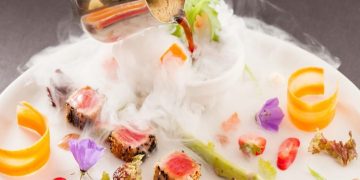
One of the most significant movements in modern food innovation is molecular gastronomy, a term coined in the 1980s by French chemist Hervé This and Hungarian physicist Nikolas Kurti. Molecular gastronomy seeks to explore and manipulate the chemical and physical processes that occur during cooking. By using scientific principles—such as temperature manipulation, molecular bonding, and chemical reactions—chefs have created entirely new textures and flavors that were once thought to be impossible in traditional cuisine.
For example, chefs now use liquid nitrogen to instantly freeze food, creating textures that are completely different from the original ingredients. Similarly, spherification—a technique pioneered by Ferran Adrià at El Bulli—allows chefs to encase liquids in thin, edible membranes, creating bite-sized “caviar-like” pearls that explode with flavor when eaten. These techniques and others have led to a range of innovative dishes that challenge the traditional boundaries of taste.
Key Examples of Molecular Gastronomy Innovations:
- Aerosolized Flavors: By using gas canisters, chefs create aerosolized versions of flavors that diners can inhale or taste on their tongues. This approach allows chefs to create ephemeral, multi-sensory experiences that engage the sense of taste, smell, and even sound (through the fizzing or popping of gases).
- Edible Foams: Light, airy foams are used to create intense bursts of flavor, often using ingredients that wouldn’t normally be consumed in this form (e.g., tomato foam, basil foam, or whiskey foam).
- Deconstruction: Dishes are broken down into their component parts and reassembled in unexpected ways, such as a deconstructed Caesar salad where the romaine, dressing, croutons, and parmesan are all presented in unique forms (foams, gels, and powders).
These techniques push the boundaries of traditional dining, challenging us to rethink not only what we eat but how we eat and experience food.
3. Multisensory Dining: Engaging All the Senses
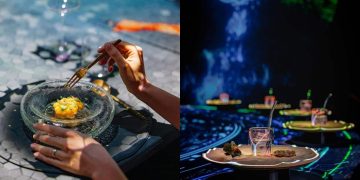
While molecular gastronomy focuses on transforming food at a molecular level, multisensory dining goes a step further by engaging not only taste but all the senses involved in the dining experience. Sight, smell, sound, and texture play critical roles in how we perceive food and, in recent years, have been integrated into the dining experience to create a more immersive and sensory-rich environment.
3.1 The Role of Sound:
Sound is an often-overlooked component of flavor perception. Studies have shown that the sounds we hear can significantly influence our taste perception. Crispier sounds can make food feel crunchier, while softer sounds might make food seem creamier. Some chefs are now incorporating soundscapes into their dishes, such as playing crunching sounds during a salad course or sizzling sounds during a hot stone presentation.
3.2 The Role of Sight:
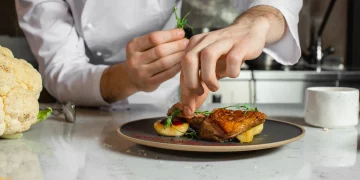
The visual aspect of food is essential in creating a memorable dining experience. Modern chefs often use artistic plating, avant-garde presentations, and unexpected colors to challenge the visual norms of food. A dish that looks like foam might taste like fruit or a slice of fish might arrive frozen in a clear block of ice. These visual surprises excite the diner’s curiosity and make the dining experience even more enjoyable.
3.3 The Role of Smell:
Aromas are a huge part of the food experience. The scent of a dish can trigger emotional responses and enhance the perception of taste. At Alinea in Chicago, chefs often serve dishes under a cloche, allowing the aroma to build before being released as the dish is uncovered. This heightens the anticipation and enhances the flavor profile. The use of smoke, scented oils, and herb-infused vapors in modern dishes plays a key role in creating multi-dimensional flavor experiences.
3.4 The Role of Texture:
Texture is an essential component of how we experience food. Molecular gastronomy, in particular, has revolutionized texture by using techniques like spherification and gelling agents to create new textures in foods that were previously unthinkable. Smooth foams, crunchy powders, and gel-like solids made from liquids all work together to create surprising contrasts that engage the diner’s sense of touch and mouthfeel.
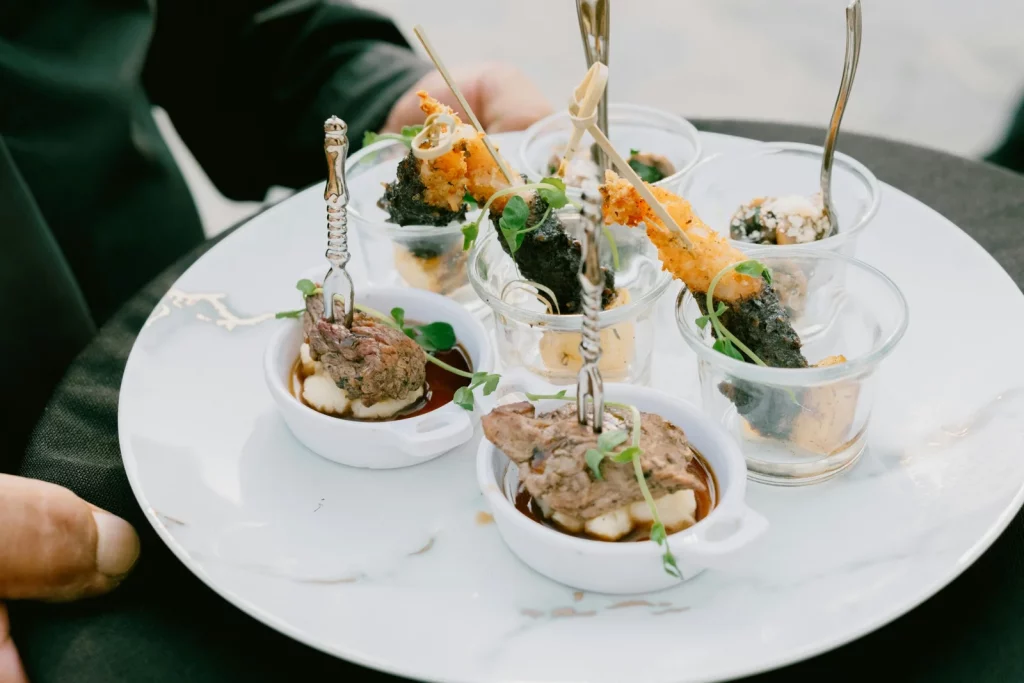
4. Reimagining Traditional Dishes: New Flavors and Combinations
Another exciting aspect of culinary innovation is the reimagining of traditional dishes. By using bold, unconventional ingredients or methods of preparation, chefs are turning familiar foods into something entirely new.
4.1 Sweet Meets Savory:
The blending of sweet and savory is one of the most prominent trends in modern cuisine. What was once considered an odd combination is now widely embraced. For instance, chefs are pairing chocolate with chili, bacon with maple syrup, and cheese with honey to create dynamic and complex flavor profiles. These pairings challenge traditional food boundaries and give diners an entirely new perspective on familiar ingredients.
4.2 Fermentation and Umami:
Fermented foods, such as kimchi, miso, and sauerkraut, are experiencing a renaissance in modern cooking. They are not only valued for their health benefits but also for their ability to add depth of flavor and enhance the umami taste. The process of fermentation breaks down ingredients, allowing for the release of new, complex flavors that were not present in the raw food.
4.3 Global Influences:
The global fusion movement has also contributed to the challenge of taste perceptions. Ingredients and cooking techniques from various cultures are blending in unexpected ways. For instance, Indian spices are being incorporated into Mexican cuisine, or Japanese techniques are being used to create Italian dishes. These cross-cultural experiments are leading to exotic flavor combinations that are unfamiliar yet exciting.
5. The Future of Flavor: What’s Next?
As food innovation continues to push the boundaries of taste, we can only imagine what the future holds for the culinary world. In the coming years, we may see:
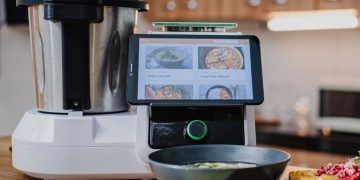
- New technologies that amplify or alter flavor perception. For example, electro-taste technology may allow diners to experience enhanced flavors through electrical impulses.
- Further exploration of alternative proteins, like plant-based meats and lab-grown meats, will challenge the boundaries between animal and plant-based flavors.
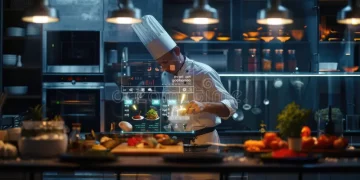
- AI-driven recipes, where artificial intelligence helps develop new flavor profiles by analyzing vast amounts of data from ingredients, regions, and historical culinary practices.
Ultimately, the future of food will continue to challenge not only our perception of taste but also our relationship with food. As the boundaries between food science and culinary art continue to blur, taste itself may no longer be something fixed but a dynamic experience driven by endless experimentation.
Conclusion
The landscape of food and flavor is evolving at an astonishing rate. Through the innovation of molecular gastronomy, multisensory dining, and the reimagining of traditional flavors, chefs are pushing the limits of what food can be. As we continue to challenge our perceptions of taste, we can expect more exciting, unexpected, and boundary-breaking culinary experiences. In the end, the goal of this innovation is not only to surprise and delight the palate but also to create new ways of thinking about the act of eating—as a form of sensory exploration, cultural exchange, and, ultimately, personal transformation.