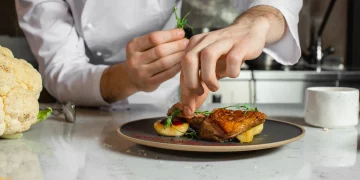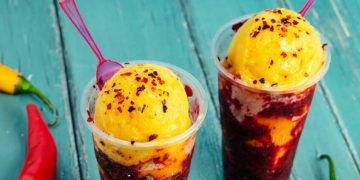










In the evolving world of culinary innovation, one of the most exciting trends is the exploration of bold flavor combinations. Chefs around the globe are increasingly challenging traditional notions of flavor by blending unexpected ingredients and breaking the age-old boundaries between sweet, salty, bitter, and spicy flavors. This article delves into how contemporary chefs are pushing the envelope with flavor pairings that are once considered unconventional, and how this has led to the creation of some of the most innovative and boundary-pushing dishes in modern cuisine.
1. The Evolution of Flavor Theory
The study of flavor in food is rooted in basic taste components: sweet, salty, bitter, sour, and umami. These basic tastes are the foundation of how humans perceive food, but the combination of these elements within a dish has evolved far beyond simple pairings.
1.1 Traditional Flavor Pairings: The Past
For centuries, the approach to food pairing has been grounded in the idea of balancing contrasting tastes to create harmony. Sweet and salty, for example, have been paired in many cultures, like the classic salted caramel. Sweet and bitter, like chocolate with coffee, or spicy with sweet, such as chili chocolate, have also long been considered complimentary contrasts.
The culinary canon of flavor combinations traditionally emphasized balance, where each taste had its place on the plate, serving to enhance one another without overwhelming the palate.
1.2 Breaking Tradition: The Boldness of Fusion
As globalization and culinary fusion gained momentum, chefs began to experiment with mixing flavors from different cultures and regions. The idea that sweet, salty, bitter, and spicy could not only coexist but also enhance each other became a fundamental shift in modern gastronomy. Chefs like Ferran Adrià and René Redzepi began to reimagine the role of taste contrasts, using science, technology, and creativity to break down the limitations of traditional flavor theory.
With molecular gastronomy and experimental cooking techniques on the rise, new methods allowed chefs to deconstruct and rebuild familiar flavor profiles in ways that created unexpected, yet harmonious, outcomes.
2. The Art of Combining Flavors: Pushing Boundaries
Modern chefs are now willing to break the boundaries between the classic tastes, creating combinations that were once deemed odd or even incompatible. Let’s take a closer look at how contemporary culinary innovators are pairing these seemingly contradictory flavors.
2.1 Sweet and Salty: The Classic Reimagined
The combination of sweet and salty has been around for centuries, but modern chefs are taking it to new heights. One of the best-known examples is salted caramel, which has become a ubiquitous flavor pairing in desserts and savory dishes alike. The salt enhances the sweetness, while the sweetness tempers the saltiness, resulting in a balanced yet bold flavor profile.
- Examples of innovative pairings:
- Bacon and Maple Syrup: A breakfast classic re-imagined. The saltiness of the bacon combined with the rich sweetness of maple syrup creates a savory and indulgent combination.
- Dark Chocolate and Sea Salt: Rich, bitter dark chocolate paired with flaky sea salt brings out the complexity of both flavors, highlighting the sweetness and enhancing the chocolate’s depth.
However, it’s not just limited to desserts. In savory dishes, chefs are blending sweet and salty flavors in unexpected ways:
- Prosciutto and Melon: The salty richness of prosciutto balances the juicy sweetness of melon, creating an irresistible starter dish.
- Cheese and Honey: Aged cheeses like blue cheese and goat cheese are paired with honey to complement their tangy and salty notes, offering a complex and harmonious taste experience.
2.2 Bitter and Sweet: The Power of Contrast
Bitter flavors are often underappreciated in modern cuisine, but when paired with sweetness, they create a dynamic tension that enhances both components. The bitterness of ingredients like coffee, dark chocolate, and arugula becomes more refined when paired with sweet counterparts.
- Examples of innovative pairings:
- Chocolate and Coffee: The bitterness of coffee balances the rich sweetness of dark chocolate, offering a more intense flavor experience. In fact, many chefs use coffee to enhance the flavor of chocolate desserts, such as chocolate mousse or coffee-infused truffles.
- Grapefruit and Honey: Grapefruit’s sharp bitterness pairs well with the mellow sweetness of honey, creating a surprising balance that works well in everything from desserts to salad dressings.
Even more adventurous, chefs are experimenting with incorporating bitter vegetables into dishes:
- Arugula and Fruit: The bitterness of arugula (rocket) in combination with sweet fruits like pears or strawberries offers a refreshing contrast and complexity in salads.
- Beer and Fruit: Bitterness of beer can complement the sweet acidity of fruits, such as in a beer-caramelized apple pie or fruit-based beer sauces served alongside meats.
2.3 Spicy and Sweet: The Global Trend
The pairing of spicy and sweet is one of the most popular and successful modern combinations. From Thai cuisine to Southern barbecue, the contrast between heat and sweetness creates an addictive flavor profile. Spicy flavors, often from chili or pepper, can intensify the sweetness of fruit or sugar, creating an experience that stimulates the taste buds in unexpected ways.
- Examples of innovative pairings:
- Chili and Chocolate: A classic pairing seen in Mexican cuisine (e.g., Mole sauce), where chili heat and chocolate work together to create a rich, multi-layered flavor profile.
- Mango and Chili: A popular combination in Asian cuisines, the sweetness of ripe mango is perfectly balanced by the heat of fresh chili or chili powder. Often served as a street food snack or garnish on savory dishes.
Chefs are also pairing spicy with savory and sweet in non-traditional ways:
- Spicy Pineapple Salsa: A combination of pineapple, jalapeños, and lime brings together the sweetness of the fruit and the heat of the chili to create a flavorful topping for grilled meats or seafood.
- Spicy Caramel Sauces: Caramel sauce with a hint of chili or Sriracha is being used in desserts and savory dishes, adding a fiery kick to traditionally sweet flavors.
2.4 The Role of Acidity in Balancing Bold Flavors
While the focus is often on sweet, salty, bitter, and spicy, acidity plays a critical role in balancing and enhancing bold flavors. Acidic ingredients, like vinegar, lemon, or tamarind, can cut through rich and fatty dishes, providing a refreshing counterpoint to heavy flavors.
- Examples of innovative pairings:
- Citrus and Spices: The acidity of lemon or lime can brighten up dishes like spicy fish tacos or grilled meats, providing a contrast to the rich and spicy flavors.
- Tamarind and Spicy Chili: The tangy, sour taste of tamarind balances out the heat of chili peppers, commonly seen in Indian, Mexican, and Thai cuisine.
Acidity not only balances flavors but also plays a role in intensifying the overall flavor profile, making bold combinations even more compelling.
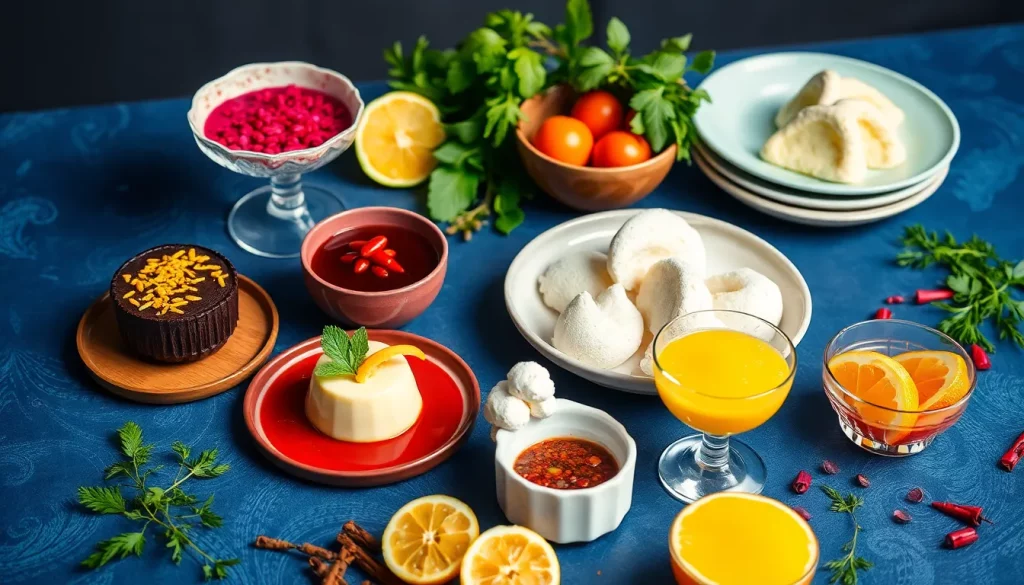
3. The Influence of Molecular Gastronomy on Bold Flavors
The rise of molecular gastronomy has enabled chefs to break away from traditional flavor combinations by using scientific techniques to manipulate the textures, presentations, and intensities of different flavors. Techniques such as foams, spherification, and liquid nitrogen allow chefs to create entirely new sensory experiences that engage the taste buds and visual senses in unique ways.
For instance, Ferran Adrià’s El Bulli restaurant was known for creating dishes where flavors traditionally considered incompatible were combined in surprising, but delicious ways. Molecular gastronomy not only expands the boundaries of taste but also allows chefs to manipulate emotions and sensory experiences, elevating the boldness of their flavor combinations.
4. The Future of Bold Flavor Combinations
As global travel, access to diverse cuisines, and culinary experimentation continue to increase, the trend of bold flavor combinations is likely to evolve even further. The future promises more intercontinental fusions, hybrid cuisines, and experimental flavors. The lines between sweet, salty, spicy, and bitter will continue to blur, as chefs explore new techniques, ingredients, and sensory experiences.
Ultimately, bold flavor combinations will continue to challenge the way we perceive food and dining, moving beyond traditional boundaries and offering new forms of expression on the plate.
Conclusion
The art of bold flavor combinations is not just about breaking the rules; it’s about reinventing how we experience and enjoy food. By blending the unexpected—whether it’s the sweetness of chocolate and chili or the salty richness of bacon paired with syrup—chefs around the world are taking us on a culinary journey that is both daring and delightful. As global influences and modern technologies continue to shape the food industry, we can expect even more unexpected, innovative pairings that will continue to redefine the gastronomic landscape.