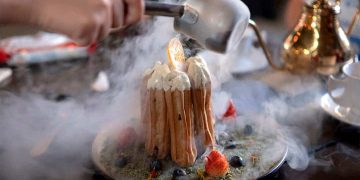









In recent years, the culinary world has seen a resurgence of innovative techniques that were once confined to the laboratories of food scientists. These techniques, such as the use of liquid nitrogen, low-temperature vacuum cooking, foams, gels, and aromatic smoke, have made their way back into high-end restaurants, where they are redefining fine dining experiences. Chefs are increasingly turning to molecular gastronomy to enhance flavors, textures, and presentations in ways that challenge the traditional perception of food.
This article will explore the revival of these cutting-edge culinary techniques, how they are being used in fine dining today, and their impact on the restaurant industry. We will delve into the science behind each technique, showcase notable chefs and restaurants leading the way, and examine how these methods elevate the gastronomic experience.
1. Liquid Nitrogen: Freezing Food to Create Sensory Experiences
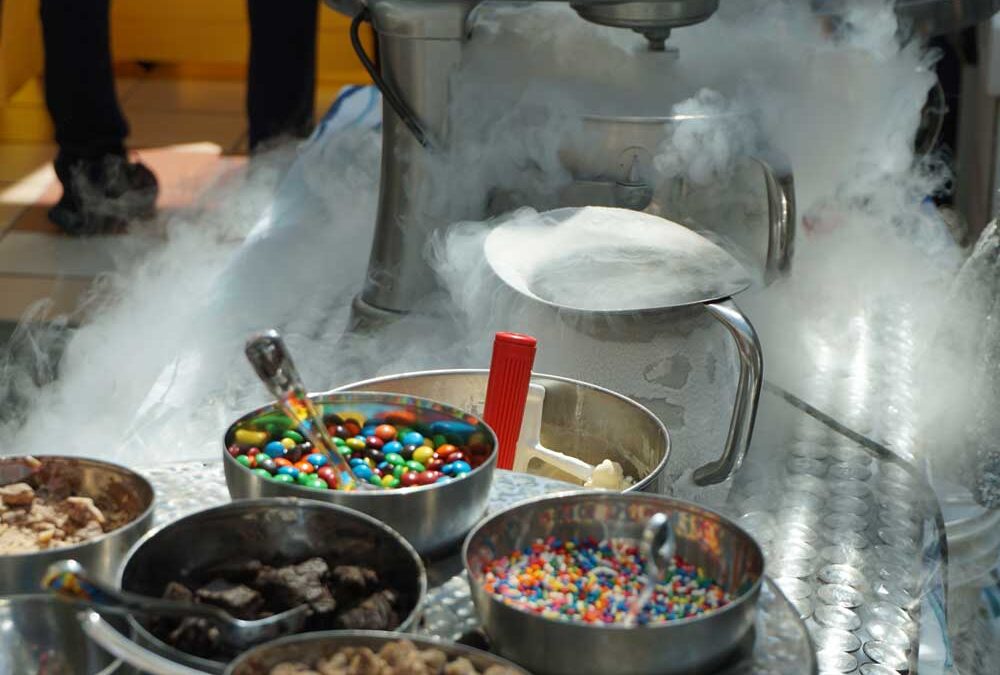
Liquid nitrogen, a substance with a temperature of -196°C (-321°F), has become one of the most iconic tools in modern haute cuisine. Its ability to instantly freeze food has opened up new possibilities for texture manipulation, temperature contrasts, and visual appeal in dishes. Liquid nitrogen is often used for instant freezing of ingredients or creating smoke effects, offering a dramatic visual spectacle and enhancing the overall dining experience.
1.1 The Science Behind Liquid Nitrogen Cooking
When liquid nitrogen comes into contact with food, it rapidly freezes the ingredients, causing water molecules within the food to freeze almost instantaneously. This rapid freezing leads to smaller ice crystals, resulting in a smoother texture when thawed. For instance, liquid nitrogen is frequently used in the preparation of ice creams or sorbets, creating a velvety texture that is impossible to achieve with conventional freezing methods.
In addition to freezing, liquid nitrogen is often used for smoking effects, where the vapors create an ethereal mist that enhances the sensory experience of the dish. For example, smoked cocktails or smoked meats are made using liquid nitrogen, imparting a smoky aroma to the dish without the need for a grill or smoker.
1.2 Notable Examples of Liquid Nitrogen in Fine Dining
- Heston Blumenthal of The Fat Duck has famously used liquid nitrogen to create smoked apple desserts and frozen sorbets, which are served with dramatic smoke clouds rising from the plate.
- Ferran Adrià of El Bulli is another chef who revolutionized the use of liquid nitrogen, using it for techniques such as “instant freezing” of fruits and creating frozen foams that melt in the mouth.
2. Low-Temperature Vacuum Cooking: Precision and Perfection
Low-temperature vacuum cooking, also known as sous-vide, has become an integral technique in fine dining kitchens worldwide. This method involves cooking food in a vacuum-sealed bag at low, precise temperatures for an extended period. The food is cooked in a water bath, maintaining its natural moisture, flavors, and nutrients.
2.1 The Science of Sous-Vide
The term sous-vide translates to “under vacuum” in French, referring to the vacuum-sealing of ingredients. This process ensures that food is cooked slowly and evenly, retaining its original taste and texture. Unlike traditional cooking methods, which involve exposure to high heat, sous-vide cooking prevents overcooking by controlling temperature to within a fraction of a degree. The slow cooking process allows proteins to break down gently, resulting in incredibly tender meats, delicate fish, and flavorful vegetables.
Sous-vide has gained popularity due to its ability to enhance the natural flavors of ingredients while providing a precise, repeatable result. The method also allows for multi-day cooking, with meats like beef or lamb benefiting from long, slow cooking to reach an optimal texture.
2.2 Sous-Vide in High-End Restaurants
- Thomas Keller, the renowned chef behind The French Laundry, has popularized sous-vide cooking, using it to create dishes with perfectly cooked meats and vegetables.
- Daniel Humm of Eleven Madison Park in New York utilizes sous-vide techniques for precision cooking, particularly for lobster tails and duck breast.
3. Foams and Gels: Adding Lightness and Texture to Dishes
Foams and gels are two of the most visually striking techniques in modern molecular gastronomy. These techniques not only change the texture of food but also transform its presentation, turning liquid ingredients into airy foams or firm gels. Foams and gels are often used to enhance sauces, create novel textures, and add an element of surprise to a dish.
3.1 The Art and Science of Foam
A foam is a stable mixture of gas and liquid, often created by whipping air into a liquid base, such as a broth, juice, or wine. Foaming agents, such as lecithin (from soy or egg yolk), gelatin, or xanthan gum, are used to stabilize the foam, ensuring that it holds its shape and texture.
Chefs use foams to add a light, airy texture to sauces, soups, or even desserts. The foamy texture provides a delightful contrast to denser elements on the plate, enhancing both flavor and mouthfeel.
3.2 Gels: From Liquids to Solids
Gels, on the other hand, are created by manipulating the liquid state of ingredients through the use of gelling agents such as agar-agar, gelatin, or pectin. These gels retain the flavor of the liquid from which they were made, but with a firm, gelatinous texture.
One of the most famous gelification techniques is spherification, where a liquid is turned into small, jelly-like spheres, often filled with a liquid center, resembling caviar. The liquid bursts in the mouth, releasing intense flavors and creating an interactive dining experience.
3.3 Notable Examples of Foams and Gels in Fine Dining
- Grant Achatz of Alinea in Chicago is known for using foams in his avant-garde dishes, creating airy fruit foams and savory sauces.
- Ferran Adrià is also a pioneer in the use of foams, particularly in his use of siphons to create airy, whipped mousses.
4. Aromatic Smoke: Enhancing Flavor with the Essence of Smoke
Smoke has long been used in cooking to enhance flavor, especially in grilling and barbecuing. However, in the realm of molecular gastronomy, chefs have taken smoking to new heights by using it not only for flavor but also for aromatic presentation.
4.1 The Science Behind Smoking in Modern Cuisine
Smoke is a complex combination of volatile chemicals released when wood or other organic materials are burned. These compounds are absorbed by the food, creating a distinctive flavor profile. The use of smoke in molecular gastronomy is often enhanced by modern techniques such as smoke guns, which allow chefs to infuse dishes with smoke without the need for a traditional smoker.
4.2 Infusing Aroma and Flavor
Chefs use smoke infusions to enhance the aroma and taste of various dishes. For example, a smoked cocktail may be prepared by infusing the drink with wood smoke right before serving, adding a unique depth of flavor. Similarly, smoked meats or cheeses are served under a cloche, releasing a smoky cloud when the lid is removed, providing an additional sensory experience.
4.3 Notable Examples of Smoke in Fine Dining
- Heston Blumenthal of The Fat Duck has used smoke as part of his “Sound of the Sea” dish, where diners experience the sound of ocean waves while enjoying a smoked seafood dish.
- Alinea frequently employs smoking techniques to add dramatic effect to dishes, such as smoked duck breast or infused oils.
5. The Resurgence of These Techniques in Modern High-End Restaurants
The return of these molecular gastronomy techniques to the high-end restaurant menu has brought a sense of excitement and innovation to the culinary world. Chefs are increasingly experimenting with liquid nitrogen, sous-vide cooking, foams, gels, and smoke to create multisensory dining experiences that surprise and delight customers.
While these techniques were once associated with the avant-garde movements of the 1990s and early 2000s, they have now become mainstream in fine dining establishments, offering diners an opportunity to engage with food in new and unexpected ways. These methods are not just about showmanship—they are about transforming food into an interactive, immersive experience, enhancing not only flavor but also the emotional connection to the meal.
6. The Future of Molecular Gastronomy and Fine Dining
As technology and innovation continue to evolve, the future of molecular gastronomy looks bright. New tools, such as 3D food printers and advanced sous-vide machines, will further enhance the ability of chefs to customize and personalize dining experiences. Furthermore, sustainability will become an increasingly important factor, with eco-friendly innovations in molecular gastronomy helping to reduce waste and promote sustainable food practices.
The return of techniques like liquid nitrogen, foams, gels, and aromatic smoke to high-end restaurant menus signifies a new era in dining—one where the line between food and art becomes ever more blurred. As diners continue to seek out novel experiences, molecular gastronomy will remain at the forefront of the culinary revolution.