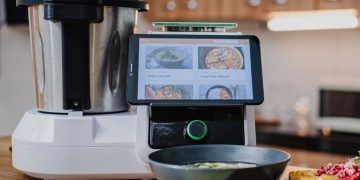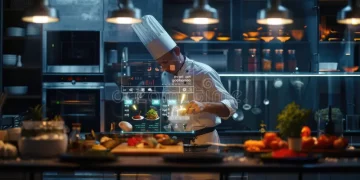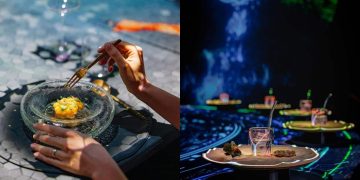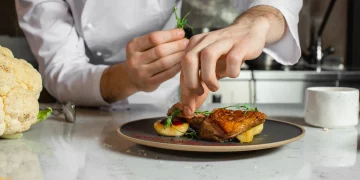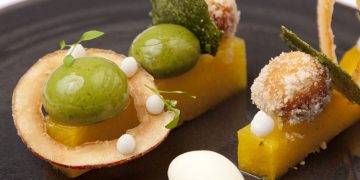










Molecular gastronomy represents the intersection of science and cooking, transforming the traditional approach to culinary arts into an avant-garde, innovative practice. By leveraging principles of chemistry, physics, and biology, this cooking style goes beyond simply preparing food—it redefines how we experience taste, texture, and presentation. From foams and gels to spherification and liquid nitrogen, molecular gastronomy challenges our sensory perceptions and pushes the boundaries of what food can be.
This article delves into the principles of molecular gastronomy, its techniques, notable chefs, and how it is reshaping the culinary landscape. We will explore the scientific foundations of molecular gastronomy, its impact on modern dining, and its future within both fine dining and home kitchens.
1. What is Molecular Gastronomy?
Molecular gastronomy is a branch of food science that applies scientific principles to culinary practices. It involves the exploration and manipulation of ingredients at the molecular level, using specialized equipment and techniques to transform the physical properties of food. The term was coined by Hervé This and Nicholas Kurti in the early 1990s, both of whom were scientists interested in the chemistry and physics of cooking.
Core Focus Areas in Molecular Gastronomy:
- Texture Modification: Creating unexpected textures, such as foams, gels, and emulsions, that change how food feels in the mouth.
- Flavor Enhancement: Using molecular techniques to intensify flavors or create new flavor profiles by altering the molecular structure of ingredients.
- Temperature Control: Applying precise temperature changes, often involving liquid nitrogen or low-temperature sous-vide cooking, to alter the texture and presentation of food.
Unlike traditional cooking methods, molecular gastronomy challenges the way we perceive food, focusing on the transformation of ingredients rather than just their taste.
2. Scientific Principles Behind Molecular Gastronomy
Molecular gastronomy operates on the understanding that cooking is not just about combining ingredients, but about chemical reactions and physical changes that occur during the cooking process. Here are some of the key scientific principles involved:
2.1 Chemical Reactions and Changes
When food is cooked, a series of chemical reactions take place. Heat, for example, causes proteins to denature, sugars to caramelize, and starches to gelatinize. Molecular gastronomy makes use of these reactions to create dishes with novel textures and flavors.
- Spherification, one of the most iconic techniques, involves creating liquid-filled spheres that burst in the mouth, mimicking the texture of caviar. This is achieved by manipulating the interaction between calcium chloride and sodium alginate, which form a gel when combined in specific concentrations.
2.2 Physics in Cooking
Molecular gastronomy also incorporates principles of physics to modify the textures and structures of ingredients. For instance, foaming agents, such as lecithin (often derived from soy or egg yolk), create stable foams that add airiness to liquids, transforming sauces or soups into delicate, airy forms.
- Liquid Nitrogen: The use of liquid nitrogen to rapidly freeze foods is another example of how physics is applied. This technique causes water molecules to freeze instantly, creating an ultra-smooth texture for dishes like ice creams and sorbets.
2.3 Temperature Control
The control of precise temperatures is central to molecular gastronomy. One example is sous-vide cooking, where food is sealed in a vacuum and cooked at low, controlled temperatures for long periods of time. This method enhances flavor retention and ensures even cooking, resulting in exceptionally tender and flavorful dishes.
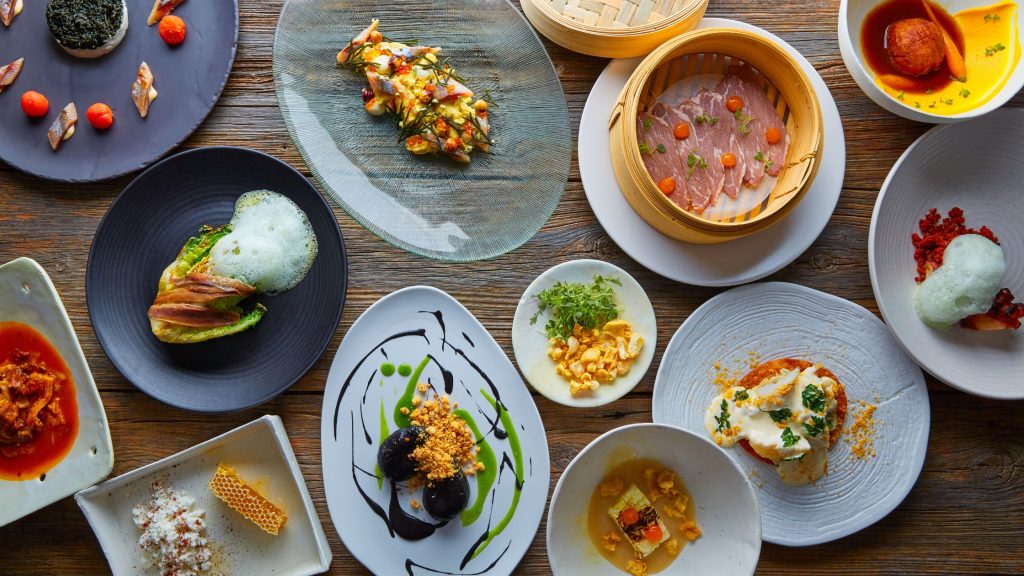
3. Key Techniques in Molecular Gastronomy
Molecular gastronomy employs a variety of specialized techniques that radically transform traditional cooking methods. Here are some of the most prominent techniques used by chefs today:
3.1 Spherification
Spherification involves turning liquids into gel-like spheres that burst in the mouth, creating a unique experience. It is one of the most widely known techniques in molecular gastronomy and can be used with a variety of liquids—fruit juices, cocktails, or even savory sauces.
- Basic Spherification: This involves dropping a liquid mixed with sodium alginate into a calcium chloride bath. The calcium causes the alginate to form a gel around the liquid, creating a sphere.
- Reverse Spherification: In this technique, the liquid is mixed with calcium chloride and then dropped into a bath of sodium alginate, creating a sphere with a liquid center. This is often used for beverages and sauces.
3.2 Gelification
Gelification is the process of turning liquids into gels using agar-agar or gelatin. This technique allows for the creation of texturally unique dishes that change the way we interact with food.
- Agar-agar is derived from red algae and has a firmer texture than gelatin, making it ideal for creating firm, chewy textures. It is often used to create fruit jellies, salad garnishes, and even savory gels.
3.3 Emulsification
Emulsification is the technique of combining two immiscible liquids, like oil and water, into a stable mixture. This is often done to create sauces and dressings, but it can also be used to create airy foams.
- A classic example is the creation of mayo-like emulsions using ingredients like lecithin or egg yolks, which stabilize the mixture and prevent separation.
3.4 Foaming
By introducing air into liquids with the help of agents like lecithin, chefs can create light and airy foams. These foams are often used to garnish soups, create delicate desserts, or provide a textural contrast to a dish.
- Lecithin is a natural emulsifier, often used to stabilize foams. These foams can be flavored with savory herbs or sweet ingredients, providing a unique sensory experience for the diner.
3.5 Sous-Vide Cooking
Sous-vide (French for “under vacuum”) involves cooking food in a vacuum-sealed bag at a precise, low temperature in a water bath for an extended period. This results in tender, evenly cooked food that retains its natural moisture, flavors, and nutrients.
- Sous-vide cooking is often used for meats, fish, and vegetables. The precision of temperature control ensures that food is cooked to perfection, every time.
4. Famous Chefs and the Popularization of Molecular Gastronomy
Several chefs have pioneered the use of molecular gastronomy in their kitchens, elevating the practice from scientific experiment to culinary art. These chefs have brought the techniques of molecular gastronomy into the limelight, popularizing the concept of science-based cooking.
4.1 Ferran Adrià (El Bulli)
Perhaps the most famous figure associated with molecular gastronomy is Ferran Adrià, the Spanish chef who revolutionized modern cooking at his now-closed restaurant El Bulli. Adrià’s creative use of molecular techniques helped him craft dishes that defied conventional ideas about food. His innovations, such as foams, liquid gels, and airy textures, earned him international acclaim.
4.2 Heston Blumenthal (The Fat Duck)
Heston Blumenthal, the British chef behind The Fat Duck, is another pioneer of molecular gastronomy. Blumenthal is known for his playful and experimental approach to food, often creating dishes that surprise and delight. His creations, like the “Sound of the Sea”—a seafood dish served with an iPod playing ocean sounds—highlight how multi-sensory experiences are integral to molecular gastronomy.
4.3 Grant Achatz (Alinea)
In the United States, Grant Achatz of Alinea in Chicago has been instrumental in bringing molecular gastronomy to the forefront of fine dining. Achatz’s avant-garde approach to food combines chemistry, art, and psychology, using techniques like spherification and smoke-infused dishes to engage the senses and create unforgettable dining experiences.
5. The Impact of Molecular Gastronomy on Modern Dining
Molecular gastronomy has redefined the dining experience, moving beyond traditional notions of food as sustenance. It has become a performative art, engaging all of the senses and inviting diners to interact with food in ways they never have before.
5.1 Sensory Engagement
One of the primary goals of molecular gastronomy is to stimulate all five senses—sight, smell, taste, touch, and sound. The use of smoke, foams, and unexpected textures creates an immersive environment, allowing diners to experience food in new and exciting ways.
5.2 Culinary Innovation
Molecular gastronomy has pushed chefs to become innovators and experimenters, breaking free from traditional culinary techniques and exploring new possibilities in flavor and presentation.
5.3 High-End Dining Experiences
Restaurants that incorporate molecular gastronomy are creating unique and memorable experiences, often with multi-course tasting menus that showcase the full range of innovative cooking techniques. These dining experiences are more than just meals; they are immersive performances that challenge diners to think about food in entirely new ways.
6. The Future of Molecular Gastronomy
As technology continues to advance, the possibilities for molecular gastronomy are virtually limitless. New tools, ingredients, and techniques are emerging, allowing chefs to explore even more complex transformations in the kitchen.
- 3D Printing: The advent of food printing could lead to even more personalized, customized food experiences in the future.
- Sustainability: Molecular gastronomy has the potential to create sustainable dining options by using alternative proteins and reducing food waste through efficient techniques.
Conclusion
Molecular gastronomy has brought science and art together, resulting in a transformative approach to cooking that challenges how we think about food. By manipulating the chemical and physical properties of ingredients, chefs can create unexpected flavors, textures, and presentations that surprise and delight diners. As we continue to explore the intersection of food, science, and technology, the potential for innovation in the kitchen is boundless, promising even more exciting developments in the years to come. The New Sensory Revolution in dining is just beginning, and molecular gastronomy is at its core, shaping the future of the culinary world.