










In recent years, food waste has become a major issue in the global culinary world, attracting attention from consumers, chefs, and food industry professionals alike. According to the Food and Agriculture Organization (FAO), approximately one-third of all food produced globally is wasted or lost. This waste occurs at various stages, from production and distribution to consumption. However, a growing number of chefs and restaurants are embracing sustainable practices aimed at minimizing food waste. They are exploring innovative ways to utilize every part of an ingredient, repurpose leftovers, and transform what was once discarded into culinary delights.
This shift toward zero-waste cooking and sustainable practices is not just about reducing waste for the sake of the environment; it’s also about reshaping how we think about food, respecting ingredients, and promoting sustainability in the culinary arts. In this article, we will explore the importance of food waste reduction, how chefs and restaurants are implementing innovative solutions to minimize waste, and how this movement is reshaping the future of dining.
The Global Problem of Food Waste
Understanding the Scale of the Issue
Food waste is a multifaceted problem that affects both developed and developing nations. In wealthier countries, food waste is often linked to consumer behavior, where excess food is discarded at home or in restaurants due to over-purchasing, portion sizes, and aesthetic preferences. In developing countries, food waste is typically the result of poor infrastructure, storage issues, and supply chain inefficiencies, leading to losses before the food even reaches the consumer.
The environmental impact of food waste is staggering. When food is wasted, not only is the nutritional value lost, but so is the energy, water, and labor that went into producing it. The emissions from food waste contribute to global warming, and food production itself is responsible for around 25% of global greenhouse gas emissions. Wasting food also results in the unnecessary depletion of natural resources, including land and water, which are increasingly scarce as the global population continues to grow.
In response to the environmental crisis, there has been a growing push to reduce food waste on every level—from farming and production to the consumer’s plate. Many restaurants and chefs are leading the charge in making food waste reduction a central tenet of their practices.
The Role of Chefs and Restaurants in Reducing Food Waste
Innovative Practices in the Kitchen
Chefs are at the forefront of the food waste reduction movement. As culinary artists and innovators, many are finding creative ways to repurpose ingredients and minimize waste in their kitchens. These practices not only help reduce the environmental impact of their operations but also encourage customers to be more mindful of how they consume food.
- Using All Parts of Ingredients: One of the most effective ways to reduce food waste is by utilizing every part of an ingredient. For example, chefs can use vegetable peels, stems, and cores to create broths, stocks, or garnishes. They can also repurpose fruit scraps into jams, pickles, and chutneys. Whole animals, such as pigs or cows, can be broken down into every usable part, from bones for stock to offals for pâtés and sausages. This practice not only reduces waste but also highlights the versatility of ingredients, showcasing that there is more to food than meets the eye.
- Creative Use of Leftovers: Another approach is to creatively incorporate leftovers into new dishes. Day-old bread can be turned into croutons or breadcrumbs, and surplus vegetables can be turned into soups, casseroles, or salads. Leftover sauces and stocks can be repurposed for future meals, ensuring that nothing goes to waste. By transforming what would otherwise be discarded into new, exciting dishes, chefs demonstrate that food is too valuable to be thrown away.
- Fermentation and Preservation: Many chefs are also exploring methods of fermentation and preservation as a way to extend the life of ingredients and reduce food waste. By fermenting vegetables, fruits, and even dairy, chefs can create delicious new flavors while preserving the ingredients for longer periods. This practice has gained popularity as part of the broader farm-to-table and nose-to-tail movements, where chefs prioritize the use of local, seasonal ingredients and aim to use as much of the product as possible.
- Repurposing Scraps for Beverages: A lesser-known method for reducing food waste is repurposing scraps into beverages. For example, citrus rinds can be used to create citrus peels syrup for cocktails, or leftover coffee grounds can be repurposed into cold brew concentrate. Similarly, vegetable scraps can be used to make refreshing vegetable-based drinks, minimizing waste while also diversifying the offerings on a menu.
Restaurant Initiatives for Sustainability
Beyond the kitchen, many restaurants have implemented initiatives to reduce food waste. These initiatives range from changes in menu planning and portion control to partnerships with food waste management programs and local charities. Here are a few key initiatives:
- Smaller Portions and Customization: Many restaurants are reducing portion sizes and offering customers the option to customize their meals to avoid food waste. By giving diners the flexibility to choose how much food they want, restaurants can minimize the amount of uneaten food left on plates. This is particularly common in restaurants that serve buffet-style meals or all-you-can-eat offerings, where the risk of excess food waste is higher.
- Donation Programs: Some restaurants partner with food banks and charitable organizations to donate surplus food to those in need. Instead of throwing away leftover prepared meals or unsold food, these establishments can redirect the food to those who can use it. Many cities have passed Good Samaritan laws to protect restaurants and food donors from liability, making it easier for businesses to donate food without fear of legal repercussions.
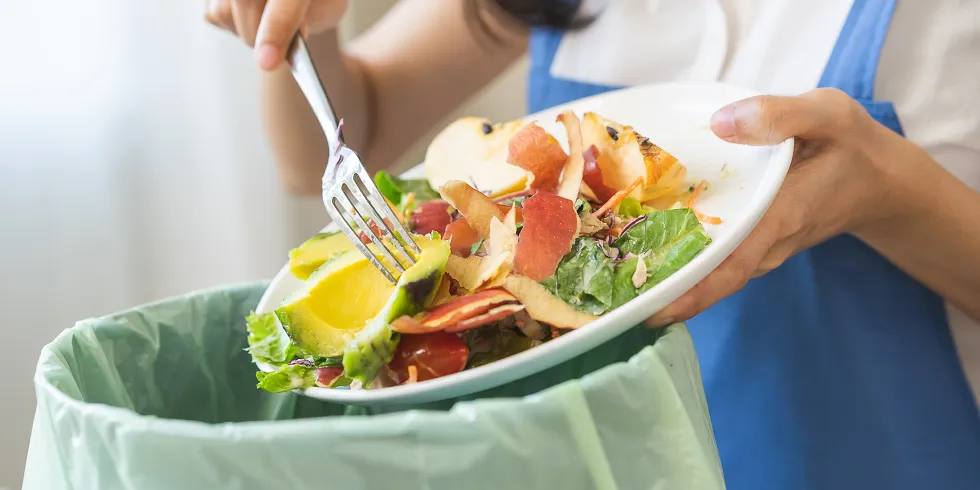
- Composting: Some restaurants have adopted composting as part of their sustainability efforts. By composting food scraps, restaurants can divert organic waste from landfills and reduce their carbon footprint. Many restaurants also compost non-edible plant matter, like coffee grounds, egg shells, and tea leaves, creating nutrient-rich soil that can be used for gardening or landscaping.
Upcycled Ingredients: Transforming Waste into Gourmet Food
The Concept of Upcycling in the Culinary World
One of the most exciting developments in food waste reduction is the rise of upcycled ingredients. Upcycling refers to the process of repurposing food that would otherwise go to waste into new, high-quality products. For example, spent grains from brewing beer can be turned into flour or bread, and used coffee grounds can be incorporated into sauces, ice cream, or granola bars. By transforming food scraps into valuable ingredients, chefs can offer consumers innovative, sustainable dishes that challenge their perceptions of food waste.
Several companies are now specializing in creating upcycled products for chefs and consumers alike. ReGrained, for example, makes flour from spent grain, while Upcycled Foods produces ingredients like upcycled fruit powder and vegetable crisps. These ingredients are not only sustainable but also provide unique flavors and textures that are ideal for creating new culinary experiences.
In many cases, upcycled foods are sold as a premium product, both because they represent a sustainable choice and because they often require additional processing or innovation to bring them to market. As upcycled ingredients become more widely available, chefs are increasingly incorporating them into their dishes, giving new life to what would have been discarded.
Examples of Upcycled Dishes in Restaurants
Many top chefs are already creating upcycled dishes using food waste in creative ways. For example:
- The Ender’s Game Burger: A restaurant in New York serves a “game burger” made from upcycled mushroom stems and other ingredients, creating a sustainable alternative to traditional meat-based burgers.
- Banana Peel Pulled Pork: Some plant-based chefs have created pulled pork made from banana peels, a surprising yet delicious way to turn a common food waste item into a savory dish.
- Fruit-Scrap Sorbet: Chefs can take overripe fruit that is often discarded and turn it into refreshing sorbets, utilizing the entire fruit and reducing waste.
The Role of Consumers in Reducing Food Waste
While chefs and restaurants are playing an essential role in minimizing food waste, consumers also have a part to play. By making more mindful choices at home, consumers can significantly reduce their food waste footprint. Some ways to reduce food waste include:
- Proper Storage: Educating consumers about how to store food properly can significantly extend its shelf life and reduce waste. For example, storing fruits and vegetables in the right conditions can prevent spoilage and maximize freshness.
- Meal Planning and Portion Control: Encouraging consumers to plan their meals and control portions can reduce excess food that ends up in the trash. By shopping smart and avoiding impulse purchases, consumers can avoid buying more than they need.
- Repurposing Leftovers: Just as chefs do in their kitchens, consumers can find ways to repurpose leftovers into new meals. Leftover rice can be used in stir-fries, and extra vegetables can be turned into soups, stews, or casseroles.
- Composting: Consumers can also participate in composting, turning organic waste into fertilizer for gardens or plants, keeping it out of landfills and reducing their carbon footprint.
Conclusion: The Future of Sustainable Dining
The movement toward reducing food waste in restaurants and kitchens is an exciting and necessary shift in the food industry. Chefs and restaurants are embracing the challenge of creating sustainable, zero-waste menus by using every part of an ingredient, repurposing leftovers, and utilizing upcycled products. As this movement grows, it is reshaping the way we think about food, sustainability, and waste.
The culinary world is embracing the idea that food should not only nourish the body but also honor the planet. Through innovation, creativity, and collaboration, chefs and restaurants are proving that reducing food waste is not only possible but also a delicious and rewarding endeavor. As consumers become more aware of the environmental impact of food waste, we can expect a continued shift toward sustainable, waste-free dining that benefits both the planet and future generations.