









Food is not merely a source of sustenance—it is a window into a culture’s history, traditions, and values. When travelers embark on culinary journeys, they are not just exploring new tastes; they are delving into the stories behind every dish, each ingredient, and every cooking technique. From participating in local cooking classes and visiting vibrant food markets to savoring regional specialties, these experiences offer more than just the opportunity to satiate one’s appetite—they allow travelers to connect with the cultural soul of a destination.
In this article, we will explore the transformative power of culinary tourism, specifically focusing on how activities such as cooking classes, market visits, and tasting local dishes provide deeper cultural insight. We will look at how food experiences not only satisfy the senses but also enrich travelers’ understanding of a region’s traditions, customs, and way of life. Whether in the heart of Italy, the bustling markets of Bangkok, or the spice-filled streets of Marrakech, food-related experiences have become integral to travel, making it a truly immersive cultural exchange.
The Role of Food in Cultural Identity
Food is often referred to as an expression of a culture’s identity. Each dish, ingredient, and culinary practice has a story to tell—one that is interwoven with a region’s history, geography, and traditions. Understanding food culture can offer travelers a profound connection to the place they are visiting, one that goes beyond mere sightseeing.
Take, for example, the Mediterranean diet, which is celebrated not only for its health benefits but also for its connection to the landscapes of the region. In Greece, for instance, olive oil is a central ingredient in most dishes, reflecting the country’s long history of olive cultivation. Similarly, in Japan, the art of sushi is deeply tied to the nation’s reverence for simplicity, seasonal ingredients, and meticulous craftsmanship.
Food is a living tradition, shaped by the people who grow it, prepare it, and share it with others. Therefore, when travelers engage in culinary experiences, they gain access to an entire cultural narrative that is passed down from generation to generation. Through local cooking classes, guided market tours, and dining experiences, travelers can learn to appreciate the deep cultural significance behind the food they eat, seeing it as much more than just a meal.
Culinary Tourism: A Growing Trend
Over the past decade, culinary tourism has grown significantly as more and more people seek to engage with the food cultures of the places they visit. According to a study by the World Food Travel Association, culinary travel accounts for over 25% of all tourism globally. This growing interest can be attributed to the increasing accessibility of travel, the rise of food-focused media (including cooking shows, food blogs, and social media platforms like Instagram), and the desire for travelers to immerse themselves more fully in a destination’s lifestyle.
Rather than merely tasting food, modern travelers are interested in exploring the stories behind the dishes. They want to understand how food is prepared, what ingredients are used, and what cultural practices influence the recipes. This desire to engage with food on a deeper level has led to the rise of experiences like cooking classes, market tours, and local food tastings as key components of modern travel itineraries.
These activities not only provide travelers with unique, authentic experiences but also create an economic incentive for local communities. By participating in these culinary experiences, visitors help support small-scale food producers, artisans, and local chefs, encouraging the preservation of traditional food cultures.
The Culinary Class: A Hands-On Journey into Local Flavors
One of the most immersive ways to learn about a region’s cuisine is through a cooking class. Cooking classes are a favorite activity for food enthusiasts who want to delve into the techniques and flavors that define a destination’s food culture. These classes are often led by local chefs or home cooks who have spent years mastering their craft and who are eager to share their knowledge.
1. Italy: Learning Pasta-Making in Tuscany
In Tuscany, Italy, cooking classes are a popular way for travelers to learn the ancient art of pasta-making. Tuscany, known for its rich agricultural land, is the perfect place to discover how regional ingredients like flour, eggs, and olive oil come together to create iconic dishes like pappardelle and ravioli. A typical class involves a hands-on demonstration of making fresh pasta from scratch, followed by a meal where participants can enjoy their own creations.
For travelers, a pasta-making class goes beyond the technical aspects of cooking—it is an exploration of the region’s deep connection to its agricultural roots and centuries-old food traditions. The experience also fosters a deeper appreciation of Tuscan cuisine, which is known for its simplicity and focus on high-quality, locally-sourced ingredients.
2. Thailand: Thai Cooking Classes in Chiang Mai
Thailand is another destination where cooking classes have become a hallmark of culinary tourism. In Chiang Mai, travelers can learn how to prepare traditional Thai dishes such as green curry, pad Thai, and som tam (green papaya salad) in classes held at local cooking schools or even in rural homes. The classes often begin with a visit to a local market to select fresh ingredients, followed by a hands-on cooking session where participants can recreate classic Thai flavors.
These classes not only teach the intricacies of Thai cuisine but also offer insight into the cultural significance of certain ingredients and dishes. For example, the use of lemongrass, fish sauce, and coconut milk in Thai cooking reflects the country’s balance of sweet, salty, sour, and spicy flavors—an essential concept in Thai cuisine that travelers learn to appreciate on a deeper level.
3. Morocco: Cooking Workshops in Marrakech
In Morocco, food is central to daily life, and the Marrakech cooking workshops give travelers the opportunity to learn how to prepare traditional dishes such as tagine (a slow-cooked stew), couscous, and pastilla (a savory-sweet pastry). These classes often take place in local homes or traditional riads (guesthouses) where chefs guide participants through the process of preparing meals with a blend of aromatic spices like saffron, cumin, cinnamon, and paprika.
What makes these cooking experiences special is the chance to learn about the cultural importance of spices in Moroccan cuisine. Many of the spices used in Moroccan dishes are symbolic, representing trade routes, historical influences, and regional variation. The cooking classes also teach travelers about the communal aspect of Moroccan meals, where food is shared among family and friends, symbolizing unity and hospitality.

Visiting Local Food Markets: A Cultural and Sensory Experience
Another popular culinary activity for travelers is visiting local food markets, where fresh produce, spices, meats, and street food vendors create a sensory feast for the eyes, nose, and palate. Food markets are often at the heart of a community’s food culture, providing not only ingredients for daily meals but also a space for social interaction and cultural exchange.
1. The Mercato Centrale in Florence, Italy
In Florence, Italy, the Mercato Centrale is a bustling hub where locals and tourists alike gather to shop for fresh, seasonal ingredients and ready-to-eat meals. The market is a reflection of Tuscan food culture, with vendors selling everything from aged balsamic vinegar to freshly made pecorino cheese and locally cured meats like prosciutto.
For food lovers, a visit to the Mercato Centrale is an immersive experience in Tuscan food traditions. Travelers can participate in guided market tours where they learn about the history of regional ingredients and how they contribute to the creation of classic dishes. Afterward, they can enjoy a meal at one of the market’s in-house eateries, where chefs prepare dishes using the freshest ingredients from the market.
2. The Borough Market in London, UK
London’s Borough Market is another iconic food market where visitors can explore a variety of local and international food offerings. From artisanal bread and British cheeses to fresh seafood and exotic spices, the market celebrates the diverse food culture of London. A guided tour through the market often includes tastings and discussions about how the market’s vendors reflect the city’s multicultural heritage.
For travelers, the market offers a deeper understanding of London’s evolving food scene, which has been influenced by generations of immigrants from across the globe. The Borough Market experience is also a reflection of how food markets serve as sites of cultural exchange, where different culinary traditions intersect and come together in creative and delicious ways.
3. The Souks of Marrakech, Morocco
The vibrant souks (markets) of Marrakech are another unforgettable food destination. These markets are a sensory overload—vividly colored spices and dried fruits, the scent of fresh bread baking, and the sound of vendors calling out their goods. The souks are where the rich flavors of Moroccan cuisine come to life, and visitors can purchase fresh ingredients like saffron, ras el hanout (a spice blend), and dried rose petals that are essential to many traditional dishes.
Exploring the souks gives travelers a glimpse into the daily lives of Moroccans and the deep connection between food and culture. Guided tours often include tastings of street food like msemmen (Moroccan pancakes) and briouats (savory pastries), allowing visitors to experience the diversity of flavors that define Moroccan cuisine.
Tasting Local Specialties: A Journey of Flavor
One of the most enjoyable ways to connect with a culture is through its food. From street food stalls to fine dining establishments, tasting local specialties is an essential part of any culinary journey. Each dish tells a story of a region’s history, geography, and people, and by tasting it, travelers can better understand the essence of the place.
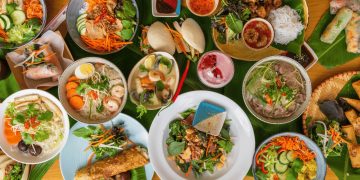
Whether it’s sampling sushi in Japan, enjoying a bowl of pho in Vietnam, or savoring paella in Spain, tasting local dishes allows travelers to experience a culture through the lens of its culinary heritage.
Conclusion
Culinary tourism offers travelers a unique opportunity to connect with the culture, traditions, and history of the places they visit. Whether it’s participating in a cooking class, exploring a local market, or tasting regional specialties, food-related experiences enrich the travel journey by providing deeper insights into the heart of a destination. In this way, food becomes more than just a source of pleasure—it becomes a bridge between cultures, a medium for learning, and a means of fostering cross-cultural understanding. As more travelers seek to connect with the world through food, the cultural exchange facilitated by culinary tourism will continue to grow and evolve, enriching our global community one dish at a time.