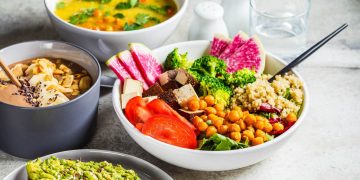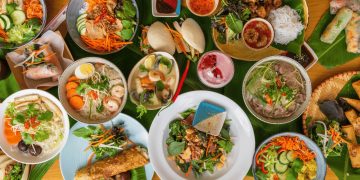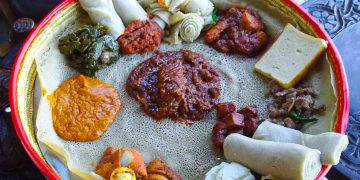










Food is an integral part of every culture and society. It is not only a source of nourishment but also a reflection of a region’s history, geography, and social practices. Through food, cultures express their uniqueness, communicate their values, and pass down traditions from generation to generation. In today’s globalized world, food has transcended its basic function as sustenance to become a powerful tool for cultural exchange and international engagement. The universal appeal of food draws tourists from around the world, offering them an immersive experience that goes far beyond the traditional sightseeing itinerary.
As food becomes increasingly recognized as a vital component of tourism, it serves as a vehicle for sharing local culture while fostering international participation and interaction. Through culinary tourism, food acts as a bridge, linking people from different backgrounds and creating opportunities for dialogue and mutual understanding. In this article, we will explore how food plays a critical role in connecting cultures, promoting local traditions, and facilitating global interactions. We will also examine the growing significance of food-related travel experiences and how they enhance the cultural exchange between locals and international visitors.
The Cultural Significance of Food
Food as a Cultural Marker
Food is deeply tied to the identity of any region. From the spices of India to the pasta of Italy, each dish tells the story of a community’s past and present. The ingredients used, the methods of preparation, and the rituals surrounding food reflect centuries of history and human interaction.
In Japan, for instance, food has been shaped by the country’s long-standing philosophy of wabi-sabi, which values simplicity, imperfection, and the beauty of natural elements. Sushi, sashimi, and ramen are more than just meals; they embody Japan’s reverence for seasonal ingredients, balance, and artful presentation. Similarly, in Mexico, the complexity of its cuisine, from the mole to the tacos, represents a fusion of indigenous ingredients with the culinary influences of Spanish colonization. These culinary traditions tell the story of cultural convergence and the preservation of ancient practices despite centuries of external influence.
The significance of food goes beyond mere tradition—it is often a powerful form of cultural expression. Whether through festivals, ceremonial meals, or daily routines, food shapes the way people understand themselves and their communities. For visitors, experiencing local food offers a chance to engage with a culture on a deeper level, beyond just observing the customs and landmarks.
Food as a Medium of Cultural Exchange
In recent years, food has become a vehicle for cultural diplomacy—the idea of using food as a means of soft power to foster better relationships between nations. International food festivals, cooking classes, and cross-border culinary collaborations allow countries to showcase their culinary traditions to a global audience. In turn, travelers gain a greater understanding of a destination’s history, values, and customs, making food an essential aspect of cultural dialogue.
Food also serves as a language of hospitality—a universal gesture that transcends linguistic and cultural barriers. When someone shares a meal, they are not just offering sustenance but also offering a piece of themselves. This hospitality is reflected in food tourism experiences, where international visitors are welcomed by locals who take pride in sharing their dishes, ingredients, and culinary techniques.
The Rise of Culinary Tourism: An Immersive Experience
A Growing Trend in Travel
Over the past decade, culinary tourism has emerged as one of the fastest-growing segments in the global travel industry. According to the World Food Travel Association, over 25% of global travelers are now engaged in food tourism, whether through food festivals, cooking classes, or guided food tours. This surge in culinary tourism highlights the growing desire among travelers to experience destinations through the lens of their food culture.
Food tourism allows travelers to experience a place in an entirely new way, engaging with the culture not just through its art, history, or architecture, but through its culinary traditions. Whether through a street food tour in Bangkok, a wine tasting in Bordeaux, or a paella workshop in Spain, culinary experiences allow visitors to connect with the local culture on a sensory level. Tasting a dish is often the first step in learning about its history and significance, and such experiences create lasting memories that enhance a traveler’s appreciation for a destination.
Local Cooking Classes and Market Tours
One of the most immersive ways to experience a region’s food culture is through local cooking classes and market tours. These activities provide hands-on experiences that go beyond simply tasting food—they allow visitors to understand the preparation, techniques, and stories behind the dishes they are savoring.
For example, in Italy, travelers can join cooking classes to learn how to make fresh pasta or traditional sauces, like ragu. These classes often take place in local kitchens or countryside homes, where participants are guided through every step of the cooking process. Beyond the technicalities, such classes are an opportunity for visitors to learn about the cultural importance of certain dishes, regional variations, and the seasonal ingredients that define Italian cuisine.
Similarly, in Thailand, food tours often begin with visits to local markets where travelers can interact with vendors and learn about the exotic spices, herbs, and fruits that are foundational to Thai cooking. The tours typically include a cooking demonstration and the chance to prepare iconic dishes like tom yum soup or pad Thai. These experiences provide insight into the cultural context of the food, from its symbolism to its role in everyday life.
Food Festivals: A Global Celebration of Culture
Food festivals have become essential platforms for promoting cultural exchange and engaging international audiences. These festivals not only celebrate local food but also create opportunities for cross-cultural dialogue. From Oktoberfest in Germany to the Gulfood festival in Dubai, food festivals offer a space for people from different backgrounds to explore new cuisines, learn about diverse cooking techniques, and enjoy the sense of community that food fosters.
The Role of Food Festivals in Cultural Diplomacy
Food festivals are an ideal form of cultural diplomacy because they allow people to experience a culture through its food. For example, during the World Gourmet Summit in Singapore, visitors have the chance to taste dishes from international chefs, attend cooking demonstrations, and participate in discussions about food sustainability. Such events not only showcase the culinary traditions of the host country but also foster cultural exchange by bringing together chefs and food lovers from around the world.
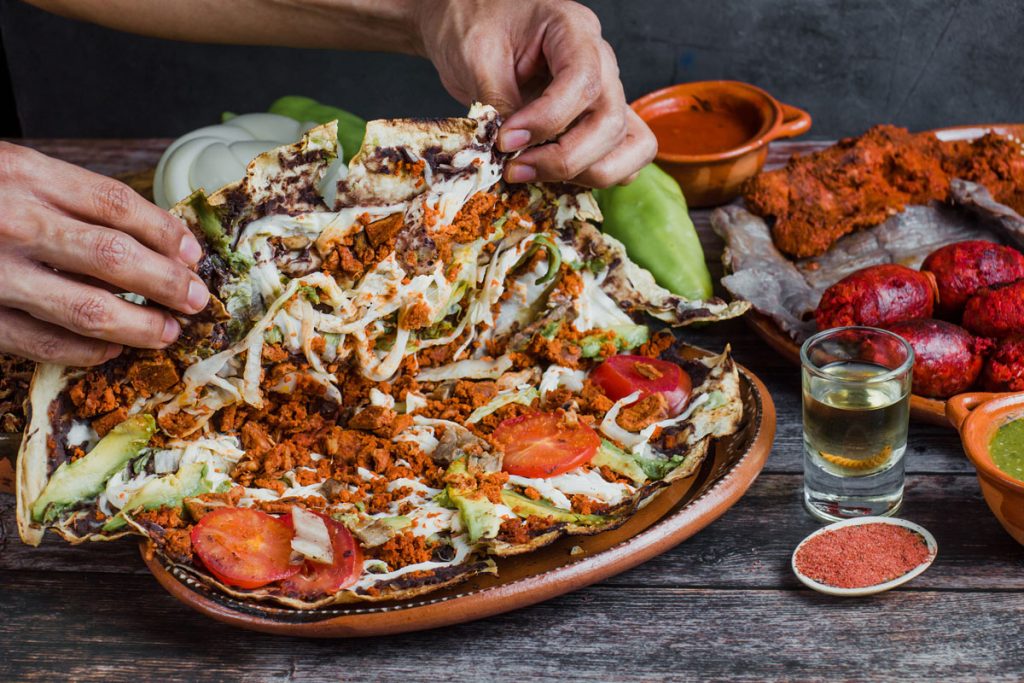
In countries like Mexico, food festivals like the Oaxaca Guelaguetza celebrate the region’s indigenous food culture while also inviting international visitors to participate in the festivities. These festivals allow local chefs to showcase the richness of Oaxacan cuisine, from mole to tlayudas, while sharing the cultural significance of each dish. For travelers, these festivals provide a deeper understanding of Mexico’s cultural heritage and its diverse culinary landscape.
Cultural Immersion through Food
Food festivals not only promote the local economy but also allow travelers to become fully immersed in the local culture. By participating in activities such as cooking demonstrations, tastings, and culinary workshops, visitors engage with the destination’s food traditions in a way that is both authentic and interactive. These immersive experiences foster mutual respect and understanding between hosts and guests, strengthening cultural ties and promoting long-lasting connections.
For example, the Melbourne Food and Wine Festival in Australia offers visitors an opportunity to explore the city’s multicultural food scene. The festival features a range of events, including cooking classes, food pairings, and chef talks, allowing both locals and tourists to learn about Australia’s diverse food culture, which is influenced by waves of immigration and indigenous food practices.
The Economic Impact of Culinary Tourism
The rise of food tourism has not only transformed the travel experience but also provided significant economic benefits for local communities. As travelers seek to engage with the local food culture, they are spending money on cooking classes, food tours, festivals, and restaurants. This influx of visitors helps create jobs, boost local businesses, and support the preservation of traditional food practices.
In regions like Tuscany, Provence, and Bordeaux, where food and wine are integral to the local economy, culinary tourism is a major driver of the economy. Local farmers, artisans, and chefs benefit directly from food tourism, as it creates demand for their products and services. Moreover, the tourism industry as a whole—spanning accommodation, transportation, and entertainment—also benefits from this growing trend.
Sustainable Tourism and Food Preservation
As culinary tourism continues to expand, there is increasing awareness of the need to sustainably preserve food cultures and promote responsible tourism practices. For example, food tours and cooking classes are often tailored to highlight local, seasonal, and sustainably-sourced ingredients, ensuring that culinary tourism supports the conservation of natural resources and the livelihoods of local communities.
Additionally, many food festivals and experiences are embracing sustainable practices, such as reducing food waste, supporting fair trade food producers, and promoting environmentally-friendly packaging. This alignment with sustainability helps ensure that food tourism continues to thrive without compromising the ability of future generations to enjoy the same experiences.
Conclusion: Food as a Gateway to Global Understanding
Food is more than just an essential part of our lives—it is a vehicle for cultural exchange, a bridge that connects people across time, geography, and language. Through culinary tourism, food offers travelers an immersive experience that goes beyond the typical tourist attractions. By participating in cooking classes, exploring local food markets, and attending international food festivals, visitors gain a deeper understanding of the traditions, values, and history of a place.
As food tourism continues to grow in popularity, it holds the potential to transform how we experience the world. It fosters not only cross-cultural understanding but also creates economic opportunities for local communities, while simultaneously preserving culinary traditions. In a world that is increasingly interconnected, food remains an indispensable part of cultural identity and a powerful means of bringing people together. Whether through a shared meal in a bustling market or a cooking class in a remote village, food will continue to serve as a universal language of connection, enriching our understanding of the diverse cultures that make up our global community.