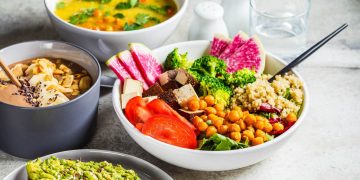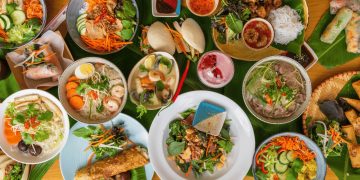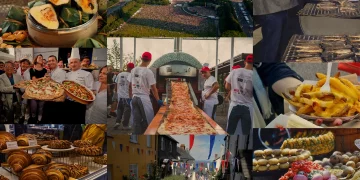








In a world that is becoming increasingly interconnected, food festivals have emerged as one of the most dynamic and accessible forms of cultural exchange. These festivals, celebrated across the globe, not only offer an opportunity for communities to showcase their culinary traditions but also foster deeper understanding and appreciation between cultures. Food, after all, is a universal language—one that transcends boundaries and connects people regardless of their origins. Through these vibrant celebrations, food becomes more than just sustenance; it becomes a medium for sharing history, customs, and stories, forging bonds that go beyond the plate.
This article explores how food festivals, held in regions from Europe to Asia, Africa to the Americas, are playing an essential role in facilitating cultural dialogue. By examining a range of global food festivals, we will see how they promote cultural diversity, build international cooperation, and strengthen local economies. From large-scale events that attract thousands of visitors to more intimate, community-driven celebrations, food festivals serve as critical platforms for cultural diplomacy and exchange.
The Role of Food in Cultural Identity
Food has long been a cornerstone of cultural identity. Each region or country has its own distinct culinary traditions that reflect its history, geography, and social fabric. These traditions are passed down through generations, shaped by local ingredients, agricultural practices, climate, and the stories of the people who produce the food. The preservation and celebration of these culinary traditions are central to maintaining cultural heritage and connecting communities to their past.
For instance, the Italian Feast of San Gennaro in New York City or the Chinese New Year food celebrations in San Francisco not only serve as opportunities for individuals to savor authentic dishes but also provide a space for immigrants to reconnect with their roots. Similarly, festivals like Oktoberfest in Germany or Diwali in India are centered around food as a symbol of unity, prosperity, and the sharing of joy.
Food festivals play a crucial role in preserving these culinary traditions while also providing a platform for them to be shared with the world. As global travel and digital communication have become more accessible, food has become an increasingly important tool for cultural exchange, fostering mutual respect and understanding between diverse communities.
Global Food Festivals as Cultural Bridges
1. The Internationalization of Food Festivals
While food festivals have existed for centuries, their global prominence has grown in recent decades, aided by the rise of tourism, international media, and social media platforms. As people from diverse backgrounds travel and interact, there is an increasing appetite for authentic culinary experiences. Many food festivals have capitalized on this global curiosity, becoming international affairs that not only draw local visitors but also attract tourists from around the world.
Some festivals, like La Tomatina in Spain or Oktoberfest in Germany, have become major international events, known far beyond their borders. These festivals create a space for visitors to not only enjoy traditional dishes but to also immerse themselves in the cultural practices that surround food preparation and consumption. The participation of people from different countries fosters an environment of shared experience, helping break down barriers of language and cultural difference.
For instance, the Melbourne Food and Wine Festival in Australia draws thousands of food lovers from all corners of the globe, with chefs, food producers, and experts coming together to demonstrate cooking techniques, introduce regional ingredients, and discuss the cultural significance of food in different parts of the world. This global fusion of culinary cultures allows attendees to expand their knowledge of international food traditions, broadening their culinary horizons.
2. Food Festivals as Catalysts for Cultural Diplomacy
Food festivals have also emerged as a form of culinary diplomacy—a tool for strengthening international relations and fostering cultural understanding. Many nations use food festivals to share their culture with the world, while also learning from the culinary practices of other nations. Through these festivals, countries can promote their food and beverages as part of their national identity, while simultaneously forging meaningful cultural and economic ties with other nations.
For example, the Dubai Food Festival in the United Arab Emirates (UAE) brings together chefs from around the world to celebrate global gastronomy while also showcasing the local flavors of the UAE and the broader Middle East. Such festivals highlight the cultural richness of the host country, encourage international culinary collaborations, and foster dialogue on important cultural topics such as sustainability, health, and food security.
In a similar vein, the Santiago Wine & Food Festival in Chile attracts international attention, highlighting not only Chile’s world-class wines but also its culinary heritage. As one of the top wine-producing countries in the world, Chile uses food festivals to position itself as a leader in the global food and wine scene, inviting international chefs, sommeliers, and food lovers to experience its unique gastronomic offerings.
Through these international food celebrations, countries have the chance to assert their identity, promote their products, and build soft power through the universal appeal of food.
Notable Global Food Festivals and Their Cultural Impact
1. The Melbourne Food and Wine Festival (Australia)
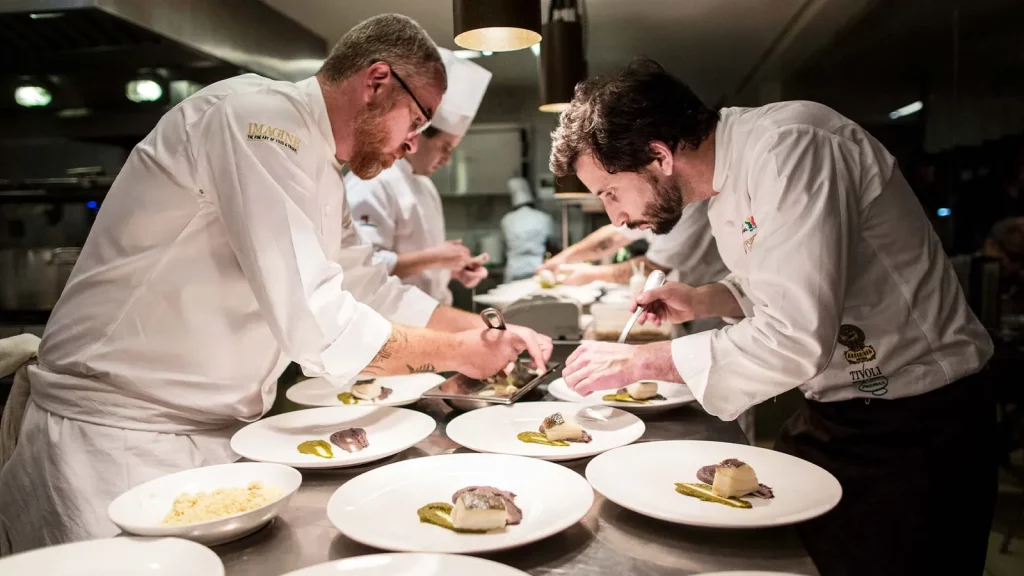
The Melbourne Food and Wine Festival is one of the most significant food festivals in the world, attracting a wide array of international and local participants. For over 25 years, the festival has offered a platform for cultural exchange, with events that span from high-end culinary experiences to casual food truck gatherings. The festival hosts masterclasses, food and wine tastings, cultural cooking demonstrations, and farm-to-table tours, allowing both visitors and locals to explore food as an expression of culture, sustainability, and social change.
By inviting chefs from all over the world, the festival acts as a cross-cultural dialogue, bringing together diverse culinary practices and fostering mutual respect. Melbourne’s reputation as a multicultural hub is reflected in the festival’s programming, which incorporates global cuisines such as Italian, Thai, Lebanese, and Indonesian alongside Australian fare.
2. The World Gourmet Summit (Singapore)
Held annually in Singapore, the World Gourmet Summit brings together some of the finest chefs and gastronomic experts from around the world to engage in discussions, workshops, and collaborative dinners. The summit emphasizes the importance of food as an agent of social change, and it is often used to discuss issues such as sustainability, ethical sourcing, and the preservation of culinary traditions.
This event also acts as a platform for showcasing the unique flavors of Singaporean cuisine while also exploring the fusion of local ingredients with international culinary techniques. Singapore’s position as a global city at the crossroads of East and West allows it to serve as an ideal venue for cultural exchange, where different culinary cultures meet and influence each other.
3. The Oaxaca Guelaguetza Festival (Mexico)
In Oaxaca, food is a central element of the annual Guelaguetza Festival, a vibrant celebration of the region’s indigenous culture. Oaxaca’s distinct culinary heritage, including its renowned moles and tlayudas, is a key part of the festival’s cultural presentation. The Guelaguetza Festival brings together music, dance, crafts, and food from the different regions of Oaxaca, allowing visitors to explore the diverse traditions that make up the state’s rich cultural fabric.
The Guelaguetza is a perfect example of how food festivals can foster cultural appreciation and respect. The festival is not only a celebration of food but also an opportunity to learn about the complex history and traditions of the Oaxacan people. By sharing their food and cultural practices with outsiders, Oaxacans ensure the survival of their heritage, while fostering understanding among different communities.
4. The Edinburgh Food Festival (Scotland)
The Edinburgh Food Festival has grown rapidly in recent years, drawing culinary talent from Scotland and beyond. Set in the heart of the Scottish capital, the festival showcases the rich agricultural and maritime produce of the country, including seafood, beef, and whisky. Through cooking demonstrations, tastings, and panel discussions, the festival promotes local food culture while exploring Scotland’s evolving relationship with global food trends.
The event also fosters collaboration between Scottish chefs and those from other parts of the world, encouraging culinary exchange and the blending of traditional and modern cooking methods. Scotland’s dedication to sustainability and seasonal ingredients serves as an important theme of the festival, offering insight into how food culture can evolve to meet the challenges of the future.
The Economic and Social Impact of Food Festivals
In addition to their cultural and diplomatic roles, food festivals also have a significant impact on local economies. These events bring together producers, chefs, and food lovers, stimulating economic activity in the region. Hotels, restaurants, local markets, and transportation services benefit from the influx of visitors, making food festivals an important part of the tourism industry.
Socially, food festivals promote inclusivity and community-building. They offer local artisans, chefs, and food producers a platform to showcase their products, while also allowing visitors to experience a wide range of foods that may not be readily available in their home countries. These festivals create an environment where culinary innovation thrives, and both hosts and visitors are encouraged to engage with diverse food cultures.
Conclusion: Food Festivals as Platforms for Global Dialogue
Food festivals are much more than celebratory events—they are essential platforms for cultural exchange, global diplomacy, and economic development. Through these festivals, food becomes a means to connect people from different parts of the world, fostering understanding and respect while promoting the exchange of ideas and traditions. From the vibrant streets of Oaxaca to the bustling markets of Melbourne, food festivals continue to unite cultures, strengthen communities, and create lasting memories for those fortunate enough to partake in them.
In a world that is increasingly interconnected, food festivals are not only a celebration of cuisine but also a celebration of humanity’s shared heritage and potential for cooperation. Whether you are a traveler seeking new flavors or a local looking to reconnect with your roots, these festivals offer an unparalleled opportunity to experience the world through its food.