









Introduction
In the ever-evolving world of gastronomy, the concept of fusion cuisine has emerged as one of the most exciting and dynamic trends of the 21st century. Modern chefs are pushing the boundaries of traditional cooking by incorporating ingredients, techniques, and flavor profiles from diverse culinary traditions around the world. What results is a rich tapestry of innovative dishes that reflect the globalized nature of today’s food culture. The blending of different regions, ethnicities, and culinary traditions offers a unique opportunity to experience new taste sensations that challenge our expectations and excite our palates.
This article delves into how modern chefs are blending global flavors to create unprecedented culinary experiences. We will explore the history and evolution of fusion cuisine, the techniques used by chefs to merge different culinary traditions, notable examples of fusion dishes, and the impact of cultural exchange on the future of food.
I. The Evolution of Fusion Cuisine
The concept of fusion cuisine is not entirely new. Throughout history, culinary traditions have always borrowed from one another, adapting to local tastes and availability of ingredients. However, the modern era of fusion cuisine took off with the rise of global travel, migration, and the increasing availability of international ingredients. As the world became more interconnected, the exchange of culinary ideas and practices intensified, leading to the creation of hybrid dishes that reflect the blending of different cultural influences.
1. Early Fusion: Colonialism and Trade Routes
The history of fusion cuisine can be traced back to ancient times, long before it became a formalized movement. The Age of Exploration, the Silk Road, and colonialism all played pivotal roles in the blending of different regional flavors and cooking techniques. For instance, the spices and ingredients that traveled along trade routes from the Middle East to Europe had a profound influence on Western cooking. The introduction of chili peppers, turmeric, and cinnamon to European cuisine revolutionized the way food was prepared, creating a fusion of flavors from Asia, the Americas, and Europe.
Similarly, the colonial period facilitated the exchange of food traditions between Europe, Africa, and the Americas. The influence of African, Indigenous, and European cooking techniques on Caribbean and Latin American cuisine created vibrant, hybrid dishes that would later evolve into the beloved soul food, Creole, and Caribbean cuisines we know today.
2. The Birth of Modern Fusion Cuisine
While culinary exchanges have been happening for centuries, the modern era of fusion cuisine began in the mid-20th century, largely driven by chefs who embraced the concept of cross-cultural experimentation. In the United States, California cuisine became one of the most notable examples of fusion cooking. Influenced by the diverse immigrant populations, California chefs began blending Asian, Mexican, and Mediterranean ingredients with traditional American cooking methods, resulting in dishes like California rolls, fish tacos, and avocado-based dishes.
Simultaneously, chefs in other parts of the world, especially in cosmopolitan cities like London, New York, and Paris, were also experimenting with fusion techniques. The rise of pan-Asian cuisine, Latin-Asian fusion, and Mediterranean-Asian cuisine in the late 20th century brought together contrasting flavors and textures to create a new world of culinary experiences.
II. The Techniques Behind Blending Culinary Traditions
Creating a successful fusion dish is not simply about mixing ingredients from different cultures; it involves a deep understanding of each culinary tradition and how flavors, textures, and techniques can be combined in a harmonious way. Modern chefs use a variety of techniques to achieve this delicate balance, which requires both creativity and expertise.
1. Combining Flavors and Ingredients
One of the key elements of fusion cuisine is the ability to combine ingredients that are not traditionally found together. For example, chefs might pair miso (a Japanese fermented soybean paste) with avocado (a Mexican staple) to create a rich, umami-packed filling for a sushi roll or taco. Similarly, they might use curry (an Indian spice mix) in a French pastry like croissants or incorporate sesame oil into a Mediterranean salad.
However, blending ingredients is only successful when the contrasting flavors complement each other rather than overwhelm the palate. Sweet, salty, sour, bitter, and umami are the five basic tastes that chefs work with, and understanding how to balance them is a key skill in fusion cooking. For example, a mango chutney (sweet and tangy) pairs beautifully with a spicy jerk chicken, creating a well-rounded flavor profile that is both refreshing and rich.
2. Cross-Cultural Cooking Techniques
Chefs who specialize in fusion cuisine often combine different cooking methods from various culinary traditions. For instance, they might apply French techniques such as sous-vide cooking (slow cooking in water at a precise temperature) to Asian ingredients like duck breast or Japanese wagyu beef. On the other hand, smoking techniques from Southern BBQ in the U.S. can be combined with Indian spices to create a smoky and aromatic flavor in grilled meats.
Another example is the use of fermentation—a technique that is central to many Asian cuisines—incorporating it into Western dishes such as sauerkraut pizza or kimchi grilled cheese sandwiches. Such unexpected combinations result in interesting, bold flavors that bring together the best of both culinary worlds.
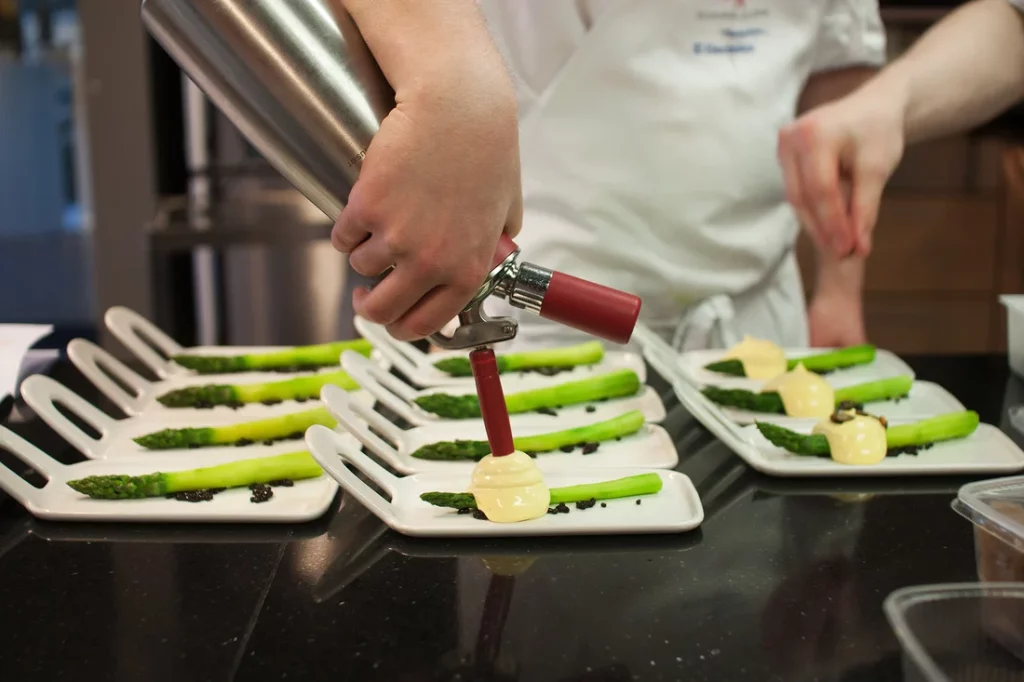
3. Presentation and Plating
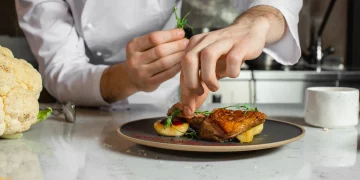
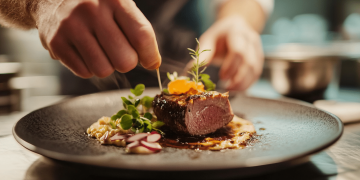
Fusion cuisine is not just about taste; it’s also about visual appeal. Plating plays an important role in presenting fusion dishes in an aesthetically pleasing way. For example, a dish that combines Mexican tacos with Korean BBQ might feature a taco shell filled with marinated bulgogi beef (a Korean BBQ favorite), kimchi, and a spicy sriracha mayo, all garnished with fresh cilantro, lime wedges, and a sprinkle of sesame seeds. This dish not only blends cultures through flavor but also through the vibrant colors and textures presented on the plate.
III. Notable Examples of Fusion Cuisine
Some of the most popular and widely known dishes in modern cuisine are the result of fusion. Here are a few examples of dishes that have gained international acclaim due to their innovative blending of culinary traditions.
1. Sushi Burrito
The sushi burrito is a prime example of the fusion between Japanese and Mexican culinary traditions. By taking the concept of sushi and wrapping it in a burrito-sized seaweed sheet, chefs have created a portable and creative dish that combines the fresh, clean flavors of sushi with the bold, hearty elements of a burrito. The sushi burrito often contains a variety of ingredients such as spicy tuna, avocado, cilantro, sriracha sauce, and rice, creating a perfect balance of textures and flavors.
2. Kimchi Tacos
A fusion between Korean and Mexican cuisine, kimchi tacos combine the tangy, fermented heat of kimchi (a Korean side dish of fermented vegetables, often cabbage or radish) with the rich flavors of a Mexican taco. This dish is an excellent example of how different cultures’ culinary traditions can be merged to create something truly unique. Kimchi tacos often feature marinated meats such as bulgogi beef or grilled chicken, topped with spicy kimchi and fresh toppings like cilantro, lime, and avocado.
3. Peruvian-Japanese Nikkei Cuisine
One of the most innovative and sophisticated forms of fusion cuisine is Nikkei cuisine, which blends Japanese techniques and ingredients with Peruvian flavors. This fusion developed in Peru during the late 19th and early 20th centuries, when Japanese immigrants began settling in the region. The result is a beautiful marriage of flavors—such as sashimi-style fish with Peruvian aji amarillo (yellow chili) sauce, or soy-marinated tuna paired with corn and potatoes—that highlights the harmony between the two cultures. This style of fusion cuisine has become increasingly popular worldwide, with ceviche sushi rolls being a standout dish in many high-end restaurants.
4. Indian-Italian Pizza
An unexpected combination of Indian and Italian culinary traditions, Indian-Italian pizza takes the concept of pizza and gives it a bold, spicy twist with ingredients like tandoori chicken, paneer, and garam masala. Traditional pizza bases are swapped with naan bread or garlic naan, and the usual tomato sauce is replaced with a rich yogurt-based sauce or curry sauce, giving the pizza a tangy, spiced flavor.
IV. The Impact of Globalization and Cultural Exchange on Modern Cooking
The rise of fusion cuisine is not only a result of chefs’ creativity but also a reflection of our increasingly globalized world. With the movement of people, ideas, and ingredients across borders, the lines between distinct culinary traditions have blurred, leading to a new era of global gastronomy.
1. The Democratization of Food
Globalization has made it easier for chefs and home cooks alike to access international ingredients and cooking techniques. In large cities around the world, ingredients like sriracha, tamarind, miso, and coconut milk are now readily available in grocery stores, making it easier to experiment with cross-cultural dishes. Additionally, food documentaries, blogs, and social media platforms have exposed home cooks to a wealth of global cooking traditions, inspiring them to experiment with new flavors and ideas.
2. Cross-Cultural Collaboration
Chefs are increasingly collaborating across borders and cuisines, further blending the world’s culinary traditions. For example, a chef trained in French cuisine might team up with a chef who specializes in Korean BBQ, resulting in a one-of-a-kind dining experience that merges both cultures’ culinary strengths.
V. The Future of Fusion Cuisine
As the world becomes more interconnected, the future of fusion cuisine looks promising. Chefs will continue to draw inspiration from both traditional and contemporary culinary traditions from around the world, creating even more innovative dishes that challenge conventional ideas of what food should be.
The future of fusion cuisine will likely see even more plant-based and sustainable approaches, with chefs using local ingredients in combination with global techniques. Furthermore, as cultural exchange continues to grow, more regions and ethnicities will contribute to the evolving landscape of fusion cuisine.
Conclusion
Modern chefs are at the forefront of creating a new gastronomic language, blending ingredients, techniques, and flavors from different parts of the world to produce exciting, innovative, and unique dishes. Fusion cuisine has become an integral part of the global food scene, offering diners a thrilling way to explore the diverse cultures and traditions that shape our culinary experiences.
As culinary boundaries continue to expand, the blending of different regional and ethnic flavors promises a future where food is not just a meal but a celebration of the global exchange of ideas, traditions, and creative collaboration.