










Introduction
Over the past decade, the global food industry has experienced a profound shift. A growing number of consumers are turning to plant-based foods, not only for health reasons but also for ethical and environmental concerns. Once considered a niche category, plant-based food is now considered a mainstream trend, with products like plant-based meat, dairy substitutes, and ready-to-eat plant-based meals becoming ubiquitous across supermarket shelves, restaurants, and even fast-food chains. Major players in the food industry are adapting to this demand, with companies like Beyond Meat, Impossible Foods, and Oatly leading the charge.
This shift towards plant-based foods is a direct response to several global challenges: climate change, resource depletion, health crises, and increasing concerns about animal welfare. As more people adopt flexitarian, vegan, or vegetarian diets, plant-based foods are no longer viewed as a passing trend but as an essential part of the future of food. In this article, we will explore the factors driving the rise of plant-based foods, the challenges and opportunities that arise from this global trend, and the potential future trajectory of the plant-based food market in the broader context of the food industry.
I. The Rise of Plant-Based Foods
The surge in plant-based food consumption has been propelled by several key factors, each playing a role in reshaping consumer behavior and market demand. These include increasing awareness of health benefits, growing concerns about sustainability, and the rising prominence of ethical consumption. Let’s delve into these primary drivers.
1. Health and Wellness Consciousness
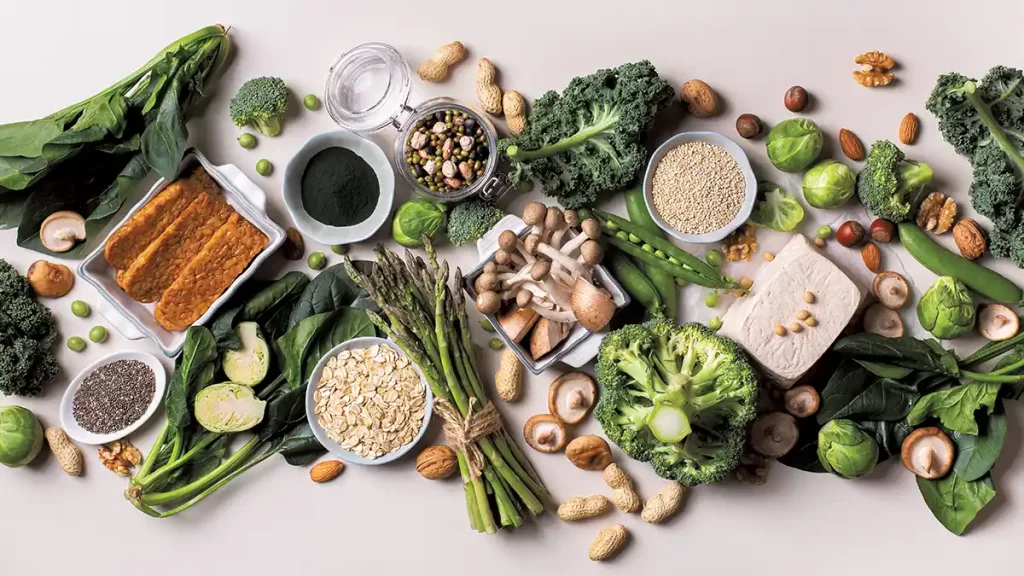
A major factor behind the increasing popularity of plant-based foods is the growing awareness of their health benefits. Studies consistently show that plant-based diets—rich in fruits, vegetables, legumes, grains, and nuts—offer numerous health advantages, including a lower risk of heart disease, type 2 diabetes, obesity, and certain types of cancer. In addition, plant-based foods are naturally low in saturated fats and cholesterol, making them an appealing alternative to traditional animal products.
The flexitarian diet, which encourages people to reduce meat consumption while still incorporating some animal-based products, has gained significant traction. This middle-ground approach allows individuals to improve their health without completely eliminating the familiar tastes and textures of traditional foods. As more consumers become health-conscious, the demand for plant-based alternatives to meat, dairy, and processed foods continues to rise.
2. Environmental Impact and Sustainability
Concerns about the environmental impact of food production are also driving the plant-based food revolution. Traditional animal agriculture is responsible for a significant portion of greenhouse gas emissions, water use, deforestation, and biodiversity loss. According to the Food and Agriculture Organization (FAO), livestock farming contributes about 14.5% of global greenhouse gas emissions, a figure that is higher than the combined emissions from all global transportation. As a result, plant-based foods, which generally require fewer resources to produce, have become a key component of efforts to mitigate climate change.
In addition to carbon emissions, animal agriculture is a major driver of deforestation, particularly in regions like the Amazon, where large areas of forest are cleared to make way for cattle ranching and soy production. In contrast, growing plants for food uses far fewer land and water resources. With growing awareness of these issues, consumers are turning to plant-based alternatives as a more sustainable choice, thus contributing to a broader shift in how we view food production and consumption.
3. Animal Welfare and Ethical Considerations
Ethical concerns surrounding the treatment of animals in factory farming are another major motivator for adopting plant-based diets. Reports on the inhumane conditions in which animals are raised for food—such as confined spaces, lack of natural light, and painful practices like debeaking and tail docking—have led many consumers to rethink their food choices. The rise of veganism, which advocates for the complete elimination of animal products from the diet, has brought attention to the ethical dimensions of food consumption.
Consumers who are concerned about animal welfare often turn to plant-based alternatives as a way to make ethical food choices. For these individuals, reducing or eliminating animal products is seen as an act of compassion that aligns with their moral values. This growing demand for cruelty-free products has led food companies to innovate in ways that make plant-based options not only more accessible but also more appealing in terms of taste and texture.
II. The Global Impact of Plant-Based Foods on the Food Industry
As the plant-based food market continues to expand, it is having a profound impact on the global food industry. This shift is not only reshaping the way consumers think about food but also altering the business strategies of food manufacturers, restaurant chains, and even agricultural producers. Several key industries are being directly influenced by the rise of plant-based foods.
1. The Plant-Based Meat Market
One of the most notable developments in the plant-based food industry is the growth of the plant-based meat market. Companies like Beyond Meat and Impossible Foods have pioneered the creation of plant-based products that mimic the taste, texture, and appearance of traditional meat. These products have gained immense popularity, not only among vegans and vegetarians but also among meat-eaters who are looking to reduce their environmental footprint or improve their health.
The popularity of plant-based meats has been further boosted by partnerships with major fast-food chains like Burger King (with the introduction of the Impossible Whopper), McDonald’s, and KFC, all of which now offer plant-based burger and chicken options. These fast-food giants recognize the potential of plant-based foods to appeal to a growing customer base and are investing heavily in these alternatives.
2. The Plant-Based Dairy Market
Similarly, the plant-based dairy market has seen explosive growth in recent years. Consumers are increasingly opting for alternatives to cow’s milk, including almond milk, soy milk, oat milk, and coconut milk, driven by concerns about lactose intolerance, dairy allergies, and ethical considerations regarding the treatment of dairy cows. These dairy alternatives are now found not only in supermarkets but also in coffee shops, bakeries, and restaurants.
The plant-based dairy sector has expanded beyond milk to include plant-based cheeses, yogurts, and ice creams, providing consumers with a wide array of dairy substitutes. Innovations in plant-based cheese, for instance, have led to products that melt and stretch like traditional cheese, making them viable alternatives in cooking and baking.
3. The Growth of Plant-Based Processed Foods
In addition to meat and dairy substitutes, the plant-based trend has expanded to include a wide variety of processed foods, such as plant-based snacks, energy bars, and ready-to-eat meals. Brands like Oatly, Vega, and Sweet Earth are catering to the demand for plant-based convenience foods, making it easier for consumers to enjoy quick, nutritious, and sustainable meals. These products are particularly appealing to busy professionals and young consumers, who are increasingly looking for healthier, more sustainable options in their busy lives.
4. Agriculture and Supply Chain Changes
The rise of plant-based foods has significant implications for agriculture. The demand for plant-based protein sources, such as lentils, chickpeas, peas, and soy, has led to an increase in the cultivation of these crops. Traditional agriculture may need to adapt to this shift, with farmers transitioning from raising livestock to growing plant-based ingredients. This could involve both economic opportunities for farmers and environmental benefits in terms of reduced land use and water consumption.
At the same time, the production of plant-based foods also relies on a sophisticated supply chain that involves sustainable sourcing, processing, and distribution. As the plant-based market grows, so too does the need for efficient, sustainable production methods that can meet global demand without causing further environmental harm.
III. Challenges and Opportunities in the Plant-Based Food Industry
1. Overcoming Perceptions and Misconceptions
Despite the increasing popularity of plant-based foods, there are still several challenges to overcome. One of the main barriers is the perception that plant-based foods are bland, unappealing, or less satisfying than animal products. This perception is rooted in outdated ideas about plant-based eating, but it is slowly changing as companies improve the taste, texture, and variety of plant-based foods.
Another challenge is the cost of plant-based products, which can often be higher than their animal-based counterparts. However, as production scales up and demand grows, the price of plant-based products is expected to become more competitive, making them accessible to a wider range of consumers.
2. Regulatory and Policy Challenges
As the plant-based food market grows, regulatory and policy frameworks will need to evolve to accommodate this new industry. Governments may need to address issues related to labeling (such as the use of the term “milk” for plant-based alternatives) and establish guidelines for nutrition, marketing, and sustainability. Additionally, food subsidies that favor traditional animal agriculture may need to be reevaluated to level the playing field for plant-based food producers.
3. The Role of Innovation and Technology
The future of the plant-based food industry will depend heavily on innovation. New food technologies, including food biotechnology, 3D printing, and cellular agriculture, hold the potential to revolutionize plant-based food production. Cellular agriculture, for example, involves the creation of lab-grown meat and could provide an alternative to traditional livestock farming, reducing environmental and ethical concerns.
The use of artificial intelligence and sustainable packaging technologies can also help reduce waste and improve the environmental footprint of plant-based food products.
Conclusion
The rise of plant-based foods is a clear indication of the changing dynamics within the global food industry. Driven by health concerns, environmental imperatives, and ethical motivations, plant-based eating is no longer a niche trend but a mainstream movement that is reshaping how we think about food.
As demand for plant-based products continues to grow, companies across the food sector are adapting to meet the evolving needs of consumers. While challenges remain, the opportunities for innovation and sustainability in the plant-based food market are immense. The future of food is plant-based, and the global food industry must continue to evolve to meet the needs of a more health-conscious, environmentally aware, and ethically minded population.