









Introduction
Food is often more than sustenance; it is a deeply ingrained expression of culture, history, and identity. The way a society approaches food reflects its values, traditions, and social norms. Among the many iconic dishes around the world, Italian pizza and Japanese sushi stand out not only as beloved foods but also as representations of their respective countries’ cultural identities. These dishes are so embedded in the fabric of their nations that they have transcended the realm of cuisine to become symbols of national pride, history, and tradition.
The pizza, with its simple yet versatile ingredients, represents the spirit of Italy—a country with a rich cultural heritage, a deep connection to regional diversity, and a passion for quality ingredients. On the other hand, sushi, with its precise preparation, seasonal ingredients, and emphasis on harmony, mirrors Japan’s dedication to aesthetics, balance, and refinement. Both of these dishes have become global icons, cherished in virtually every corner of the world. However, their roles within Italy and Japan go far beyond that of a mere meal. They are vital components of national identity and cultural expression.
This article will explore the significance of pizza and sushi not only as popular dishes but also as cultural symbols of Italy and Japan. We will examine how these foods reflect the values and histories of their respective nations, how they have evolved, and how they have adapted to the global stage while still retaining their cultural essence. By analyzing the cultural importance of pizza and sushi, we gain insight into how food shapes and reflects national identity in the modern world.
I. Pizza: The Heartbeat of Italy’s Culinary Identity
1. The Origins of Pizza: A Humble Beginning
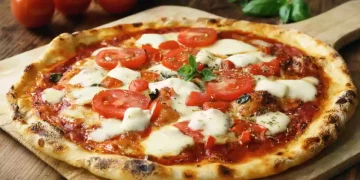
Pizza’s origins can be traced back to the ancient Mediterranean civilizations, where flatbreads topped with various ingredients were common. However, the modern pizza as we know it today was born in Naples, Italy, during the late 18th century. It is said that the margherita pizza—featuring tomatoes, mozzarella, and basil—was created in 1889 in honor of the visiting Queen Margherita of Savoy. The colors of the ingredients—red, white, and green—symbolized the Italian flag and helped cement pizza’s place as a symbol of Italian unity and pride.
For Italians, pizza is far more than just a meal; it is a cultural institution. It embodies the Italian way of life, which values family, community, and simplicity. Pizza is often shared with loved ones, enjoyed during social gatherings, and prepared with attention to detail and the finest ingredients. Whether it’s the Neapolitan pizza with its thin, chewy crust or the Roman pizza with its crispy base, each region of Italy has its own variation, reflecting the diversity and regional pride that is characteristic of Italian culture.
2. Pizza as a Symbol of Italian National Identity
Pizza is a reflection of Italy’s cultural values and history. Its regional variations showcase the diversity of Italian cuisine, yet there is a common thread of simplicity, authenticity, and respect for local ingredients that unites them. The importance of quality ingredients—whether it’s San Marzano tomatoes, buffalo mozzarella, or extra virgin olive oil—is a cornerstone of Italian culinary philosophy, and pizza embodies this respect for tradition and craftsmanship.
Pizza also represents Italian unity, especially given its global appeal. While each region of Italy has its own version of the dish, pizza as a whole is seen as a national symbol that unites the country. As the world’s most popular food, it serves as an ambassador for Italian culture, bringing the flavors and values of Italy to the global stage. The widespread consumption of pizza, whether in the heart of Naples or a far-flung corner of the world, speaks to its universal popularity and significance.
3. Global Influence and Pizza’s Evolution
Over time, pizza has evolved beyond Italy and become a global phenomenon. International variations, such as Chicago deep dish, New York-style pizza, and California gourmet pizza, have adapted the original concept to suit local tastes. However, despite these adaptations, the essential essence of pizza—its simplicity, use of fresh ingredients, and communal nature—remains unchanged.
Pizza’s global reach has not diminished its cultural significance in Italy. In fact, Italy has made efforts to preserve the authenticity of pizza through initiatives like the Associazione Verace Pizza Napoletana, which advocates for the traditional Neapolitan pizza-making process. This global recognition of pizza as an Italian culinary treasure highlights its deep-rooted connection to Italian culture, its history, and its identity.
II. Sushi: The Symbol of Japan’s Aesthetic and Philosophical Values
1. The Origins of Sushi: A Journey of Tradition and Innovation
Sushi’s origins are rooted in ancient Japan, where narezushi—fermented fish wrapped in rice—was developed as a method of preserving fish. Over time, sushi evolved from a preservation technique to a culinary art form. The Edo period (1603-1868) saw the rise of Edomae-zushi (modern sushi), which used fresh fish instead of fermented, and began to resemble the sushi we know today. The sushi industry blossomed in Tokyo (formerly Edo), and by the 19th century, sushi became popular among the common people.
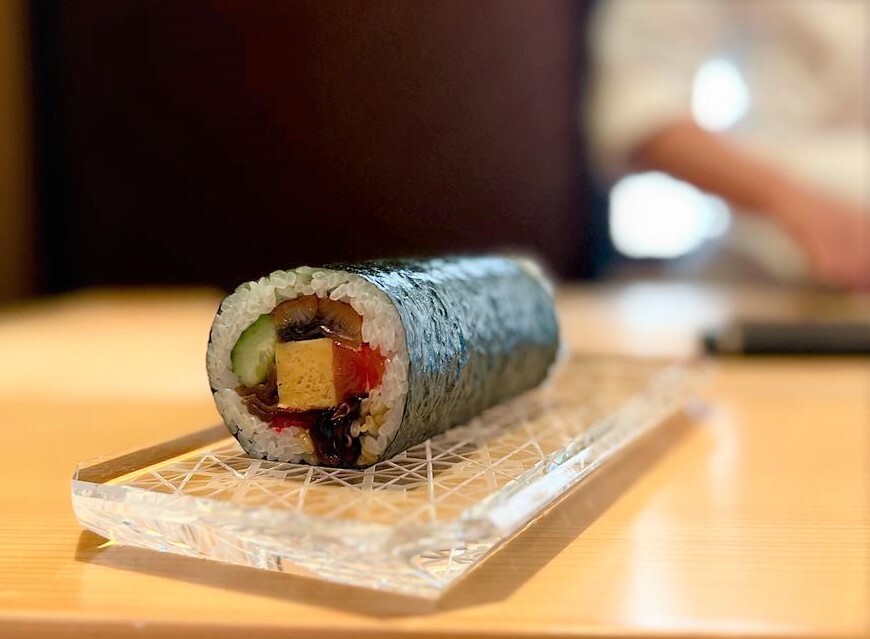
Like pizza in Italy, sushi is intrinsically linked to Japanese culture. Sushi’s delicate balance of ingredients and the careful, artistic presentation reflect the Japanese appreciation for precision, harmony, and beauty. From the simple yet exquisite nigiri (hand-pressed sushi) to the more elaborate sashimi (raw fish), sushi showcases the Japanese commitment to seasonality, freshness, and minimalism.
2. Sushi as an Expression of Japanese Cultural Values
Sushi is a reflection of Japan’s core cultural values, particularly the emphasis on simplicity and seasonal ingredients. In Japan, sushi is often enjoyed in a quiet, contemplative setting, allowing individuals to appreciate the taste, texture, and presentation of each piece. The focus on quality and balance in sushi making aligns with the broader Japanese philosophy of wabi-sabi, the appreciation of beauty in imperfection and transience.
Moreover, sushi is deeply tied to the idea of hospitality in Japan, or omotenashi. In a sushi restaurant, the chef (or itamae) plays a pivotal role, not only preparing the dish but also fostering a personal connection with the diner. This bond is central to the experience of enjoying sushi, which is not simply about eating but about connecting to a tradition that values respect, precision, and the joy of sharing food.
3. Sushi’s Globalization and Cultural Exchange
As sushi spread globally, it transformed into an international culinary icon. From sushi bars in New York City to sushi chains in Europe and beyond, sushi has transcended its origins and become a global delicacy. However, despite its evolution and adaptation to international tastes (such as the creation of the California roll), the core principles of sushi—seasonality, freshness, and minimalism—remain central to its appeal.
While sushi has become a widely recognized global cuisine, it has also sparked conversations about cultural appropriation and authenticity. As sushi becomes a mainstream dish, there is a growing movement within Japan to preserve its traditional forms, ensuring that it remains a representation of Japanese culture, even as it evolves for international audiences.
III. Pizza and Sushi: Shared Global Appeal and Cultural Significance
1. Universal Dishes with Cultural Roots
Both pizza and sushi, though vastly different in preparation and ingredients, have come to represent more than just food—they are cultural symbols. These dishes have become ambassadors for their respective countries, encapsulating the essence of Italian and Japanese culture and values. Whether through the communal act of sharing pizza with family and friends or the aesthetic mindfulness of sushi preparation, both dishes serve as reflections of their national identities.
The global popularity of pizza and sushi speaks to the universal appeal of simple, high-quality ingredients presented with skill and care. Both dishes transcend language and cultural barriers, inviting people from all walks of life to experience something profoundly connected to the cultures that created them. As these dishes spread, they evolve, yet they retain core elements that keep them grounded in their origins.
2. Cultural Diplomacy Through Cuisine
Pizza and sushi also serve as tools of cultural diplomacy. They offer opportunities for cultural exchange and understanding, bringing people from different backgrounds together over shared meals. Through food, people can experience a piece of another culture without needing to travel, fostering greater appreciation and empathy.
3. The Challenges of Preserving Authenticity
As both pizza and sushi have traveled the world, they have faced challenges in maintaining their authenticity. From the development of non-traditional pizzas with ingredients like pineapple (controversially dubbed the “Hawaiian pizza”) to sushi adaptations such as the sushi burrito, the line between authenticity and innovation has become increasingly blurred. For both Italians and Japanese, the question arises: how do we maintain the integrity of our culinary heritage while adapting to new global tastes?
IV. Conclusion
Pizza and sushi are not just dishes; they are culinary emblems that embody the cultural identities of Italy and Japan. They reflect the deep connection between food and national pride, serving as a window into the values, traditions, and philosophies of their respective cultures. As these dishes continue to evolve and adapt to the global stage, they remain firmly rooted in their origins, offering the world a taste of Italy’s passion for simplicity and quality and Japan’s dedication to precision and harmony.
Through their international success, pizza and sushi have become more than just food—they are global ambassadors of cultural exchange, bringing people together while simultaneously preserving the unique culinary identities of their home countries. As we continue to embrace fusion, globalization, and new trends in food, the authenticity and cultural significance of pizza and sushi will continue to resonate, reminding us that food is an essential part of what makes us who we are.