









Introduction
The world of food is undergoing a remarkable transformation as culinary creativity knows no bounds. Dishes once isolated by geography and tradition are being reimagined, often leading to the creation of exciting fusion foods that blend cultural influences from around the globe. Among the most popular of these innovations are Indian-style burgers, which take the familiar format of the classic burger and infuse it with flavors, ingredients, and cooking methods from India’s rich culinary tradition. This fusion is more than just a gastronomic experiment; it represents the intersection of global food cultures and is a testament to the power of food as a universal language that facilitates cultural exchange.
In this article, we will explore the rise of Indian-inspired burgers and other innovative dishes that blend Indian flavors with Western food formats. We will examine how these fusion dishes have captured the attention of global diners, why they serve as a platform for cultural exchange, and what they signify in terms of globalization, identity, and culinary innovation. We will also discuss the challenges and opportunities that come with merging different culinary traditions and how this phenomenon is reshaping the future of global dining.
I. The Rise of Fusion Cuisine: From Traditional to Innovative
The concept of fusion cuisine—blending ingredients, techniques, and flavors from different cultures—has become a defining feature of contemporary culinary creativity. While fusion cooking has existed for centuries, the globalization of food has accelerated in recent decades, leading to new and more complex combinations of flavors that were once unimaginable.
Globalization and Its Impact on Food Culture
As globalization connects the world in unprecedented ways, it has also facilitated the movement of ingredients, cooking methods, and culinary ideas across borders. International travel, migration, and trade have all contributed to a global culinary exchange, allowing chefs to experiment with diverse ingredients and techniques. This interaction of food cultures has sparked a wave of innovation, and fusion cuisine has become one of the most dynamic and exciting trends in the culinary world.
Fusion as a Reflection of Cultural Identity
Fusion cuisine is also a way of expressing cultural identity. For many chefs and home cooks, combining the flavors and techniques of different culinary traditions reflects their personal experiences, cultural backgrounds, and explorations of new food frontiers. The creation of Indian-style burgers, for example, often draws on the experience of Indians living abroad who wish to blend the flavors of their homeland with familiar Western dishes. These burgers provide a comforting connection to home while also appealing to a global palate.
II. Indian-Style Burgers: The Fusion of East and West
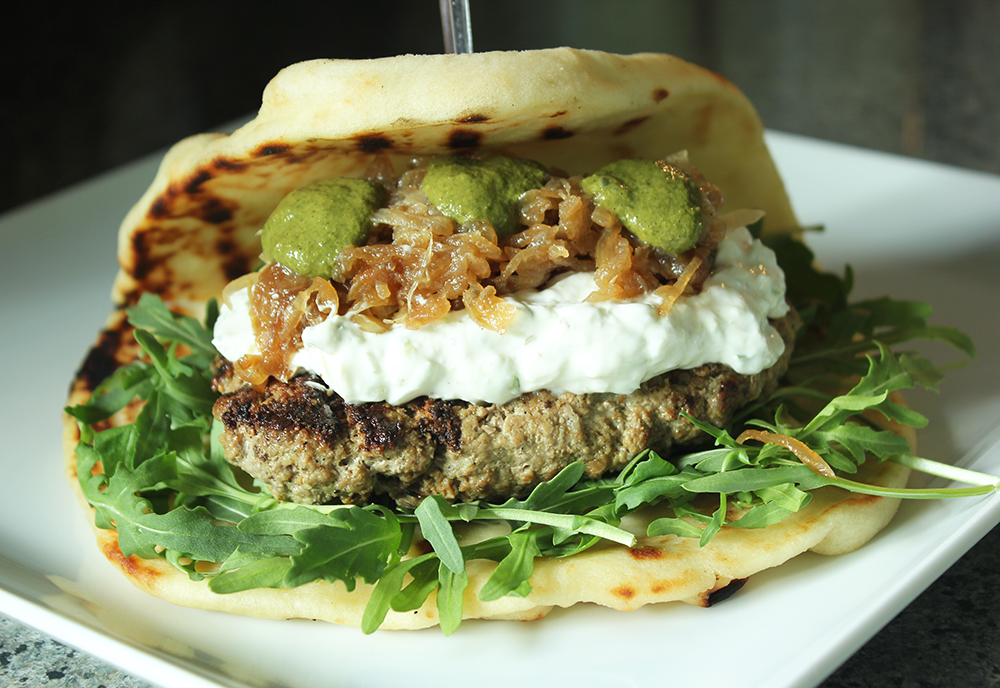
The Indian-style burger is a perfect example of how Western fast food formats can be creatively adapted to showcase the bold and complex flavors of Indian cuisine. While the classic burger is known for its simplicity—often consisting of a beef patty, lettuce, tomato, and condiments—Indian-style burgers take this foundation and transform it by introducing vibrant spices and unique ingredients.
1. Ingredients and Flavors that Define Indian Burgers
An Indian-style burger typically uses a spiced patty made from either vegetarian ingredients or chicken or lamb, depending on regional preferences. These patties are seasoned with a variety of Indian spices, such as garam masala, cumin, coriander, turmeric, chili powder, and curry leaves, giving the burger an aromatic, rich flavor that is distinctly Indian. The inclusion of potatoes, a staple ingredient in many Indian dishes, often serves as the base of the patty, as in the Aloo Tikki Burger, which features a spiced potato patty.
In terms of garnishes and toppings, cucumber, tomato, and onion are common, though these might be accompanied by coriander chutney, tamarind sauce, or mint yogurt to bring a cooling balance to the heat of the spices. Some Indian-style burgers also incorporate paneer (Indian cottage cheese), pickles, or lettuce seasoned with chaat masala, a tangy spice blend.
2. Popular Indian-Style Burger Variants
- Aloo Tikki Burger: A vegetarian burger featuring a spiced potato patty, often served with tangy tamarind chutney and crispy lettuce. This burger showcases the vibrant, comforting flavors of Indian street food, particularly popular in North India.
- Chicken Kebab Burger: A burger made with a spiced chicken patty marinated in yogurt and Indian spices like tandoori masala or garam masala, offering a smoky, tender bite.
- Lamb Korma Burger: This variant incorporates a tender lamb patty infused with the mild, creamy flavors of a korma curry, often paired with fresh herbs and a cooling cucumber raita.
- Paneer Burger: For a fully vegetarian option, the paneer burger uses grilled paneer as the patty, often served with a spicy chutney and fresh vegetables. The richness of the cheese is balanced by the vibrant flavors of the Indian seasonings.
These innovative burgers not only reinvent a classic Western dish but also bring Indian street food flavors to a global stage, offering a new twist on familiar food experiences.
3. Why Indian-Style Burgers are Popular
Indian-style burgers have found widespread popularity due to the growing demand for fusion cuisine and exotic flavors in global food markets. In countries such as the United States, the United Kingdom, and Australia, these burgers offer consumers a way to experience the richness of Indian flavors in a familiar format. The versatility of the burger concept—with its customizable ingredients—makes it an ideal platform for exploring new culinary combinations.
Furthermore, the increasing number of Indian immigrants and diaspora communities around the world has contributed to the popularity of Indian-style burgers. These burgers provide a nostalgic taste of home while also appealing to the local food culture. In major cities such as London, New York, and Dubai, where multiculturalism thrives, Indian-style burgers have become a popular street food and a favorite at fast-casual restaurants.
III. Fusion Dishes Beyond Burgers: A World of Innovation
While Indian-style burgers are perhaps the most well-known fusion creation involving Indian cuisine, the broader world of fusion dishes is filled with countless examples of global culinary innovation. The beauty of fusion cuisine lies in its limitless possibilities, and chefs continue to push the boundaries of flavor combinations, creating new dishes that bridge cultures and reflect the evolving tastes of a globalized world.
1. Indian-Pizza Fusion: A Global Hit
One notable fusion creation is the Indian pizza, which takes the classic Italian pizza and gives it an Indian twist by incorporating ingredients such as tandoori chicken, paneer, spiced chutneys, and coriander. The crust might be seasoned with garam masala, or the pizza might be topped with a mango chutney drizzle to add a sweet and tangy contrast to the savory spices. In cities like Toronto, New York, and London, restaurants specializing in Indian fusion cuisine have embraced this creative mashup, attracting foodies eager to explore new flavor combinations.
2. Sushi Burritos and Indian Flavors
Another example of innovative fusion cuisine is the rise of sushi burritos, where the concept of sushi is combined with the burrito format. While sushi typically consists of raw fish, rice, and vegetables wrapped in seaweed, the sushi burrito format uses large sheets of nori to wrap rice and fillings that might include Indian-spiced grilled chicken, spicy chickpeas, or cucumber raita. These sushi burritos reflect the growing desire for fast, casual meals that blend international ingredients and provide fresh takes on familiar foods.
3. Indian-Inspired Street Food: The Evolution of Chaat
Indian street food, or chaat, has also been subject to innovation in fusion dishes. Chaat typically consists of a variety of fried snacks, crispy puris, and savory toppings, often served with tangy yogurt, chutneys, and spices. As global food culture has expanded, chaat has been adapted into new forms such as chaat salads, chaat pizzas, and chaat bowls. These fusion creations allow diners to experience the excitement of Indian street food in new and exciting ways.
IV. Fusion Cuisine as a Platform for Cultural Exchange
The rise of Indian-style burgers and other fusion dishes reflects a broader trend in which food serves as a platform for cultural exchange. Through food, people are able to experience the flavors, ingredients, and cooking techniques of other cultures, which fosters greater understanding and appreciation of global diversity.
1. Food as a Medium for Global Dialogue
Fusion cuisine provides an accessible entry point for global dialogue by offering a tangible way for people to engage with other cultures. Just as Indian-style burgers represent a fusion of Western and Indian food traditions, the global food movement allows people to break down cultural barriers, explore new flavors, and develop a deeper connection to different culinary traditions.
2. Celebrating Multiculturalism Through Food
In multicultural cities such as New York, London, and Singapore, fusion food acts as a celebration of diversity. The blending of Indian flavors with Western formats symbolizes the influence of immigrant communities and the ways in which food can adapt to and reflect the multicultural nature of modern societies.
3. The Role of Food Festivals and Social Media in Spreading Fusion Trends
Food festivals, social media platforms, and food bloggers play an instrumental role in spreading fusion food trends across the globe. Platforms like Instagram, TikTok, and YouTube have become central hubs for food creators, who share their innovative fusion creations with millions of followers. These platforms also allow people to share their experiences with food, fostering a sense of community and connection through shared cultural experiences.
V. Challenges and Opportunities in Fusion Cuisine
While the fusion food movement presents exciting opportunities for culinary innovation, it is not without its challenges. Cultural appropriation remains a significant concern, especially when fusion dishes are created without an understanding of the original culinary traditions. It is essential for chefs and food brands to approach fusion cuisine with respect and cultural sensitivity, ensuring that the final product is authentic and meaningful.
On the other hand, the opportunities provided by fusion cuisine are vast. It allows for culinary creativity, the development of new food trends, and the chance to introduce global flavors to local markets. The continued experimentation with ingredients, techniques, and formats promises to keep the world of fusion cuisine vibrant and ever-evolving.
VI. Conclusion
Indian-style burgers and other fusion dishes are not merely culinary innovations; they are a reflection of the globalization of food and a celebration of cultural exchange. As food continues to serve as a bridge between different cultures, fusion cuisine offers a way to explore and appreciate the richness of global culinary traditions. Through the merging of flavors and ingredients from different parts of the world, fusion dishes have the potential to unite people, promote understanding, and create new dining experiences that reflect our increasingly interconnected world.
As the popularity of fusion cuisine grows, we can expect even more exciting dishes to emerge, each one representing the fusion of cultures, traditions, and the evolving tastes of a globalized society.