









Introduction: The Rise of Smart Kitchens
The future of cooking is here. The kitchen, long a space of tradition and labor, is undergoing a technological revolution. With the advent of smart kitchen devices, cooking is becoming faster, more efficient, and increasingly personalized. Among the most exciting innovations in this space are 3D food printers, smart ovens, and AI-powered cooking assistants. These devices are not only making their way into homes but are also reshaping the way restaurants operate, creating new opportunities for chefs and consumers alike.
The integration of artificial intelligence (AI), machine learning, and automation into cooking processes has allowed for a leap in both convenience and creativity. From printing food in intricate designs and textures to perfectly roasting meals at the touch of a button, these devices are transforming how we cook, eat, and think about food. But how exactly are they changing the culinary landscape, and what does the future hold for the intersection of technology and cuisine? This article will explore the ways in which smart kitchen devices, such as 3D food printers, smart ovens, and AI cooking assistants, are revolutionizing both home and professional kitchens.
Section 1: 3D Food Printers – The Next Frontier in Culinary Innovation
1.1 The Technology Behind 3D Food Printing
3D food printing is a process that uses additive manufacturing technology to create food in three dimensions. Unlike traditional cooking methods, which require ingredients to be combined through mixing, chopping, and heating, 3D food printers construct edible items layer by layer from specific food ingredients. These printers can work with a variety of food materials, such as purees, dough, chocolate, and even proteins like cell-based meat.
The process begins by designing a digital model of the food item to be printed. This model is translated into machine instructions, guiding the printer as it deposits food material layer by layer. Precision nozzles and extruders work to control the texture, structure, and presentation of the food, allowing for intricate designs that would be difficult to replicate by hand.
1.2 Culinary Applications of 3D Food Printing
The applications for 3D food printers are diverse, and they are already making waves in both the home kitchen and commercial restaurants. In professional kitchens, 3D printers are used to create gourmet food with complex geometries or customized food items designed to meet the needs of particular diners. For example, custom chocolate sculptures, personalized cakes, and intricate pastry designs are becoming increasingly popular.
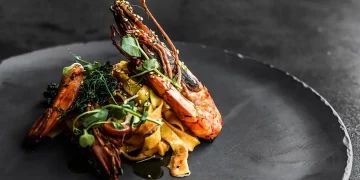
- Restaurant Innovation: In high-end restaurants, 3D printers are used to create avant-garde presentations, such as printing edible art or textures that would be impossible with traditional methods. Chefs are using these devices to craft intricate, delicate food elements that elevate the overall dining experience. For example, 3D-printed pasta, custom-designed sushi, and personalized desserts are changing how people think about the intersection of food and art.
- Personalized Nutrition: 3D food printing also has the potential to reshape the way we think about personalized diets. By adjusting the nutritional composition of ingredients, 3D food printers can create meals that are optimized for individual health needs, such as customized meals for people with allergies, weight management goals, or dietary restrictions. This could revolutionize the concept of personalized nutrition, where meals are tailored to specific health parameters.
1.3 Advantages and Challenges of 3D Food Printing
- Advantages:
- Customization: 3D food printing allows for highly personalized food designs that can be adapted to specific dietary needs or preferences.
- Efficiency: With food production being automated, the process is more efficient, reducing food waste and improving precision.
- Creativity and Presentation: It opens the door to culinary innovation, allowing chefs to experiment with new textures, shapes, and combinations.
- Challenges:
- Cost: Currently, 3D food printers are expensive, both in terms of the initial investment and ongoing operational costs, which limits their widespread adoption.
- Ingredient Limitations: The types of food that can be used in 3D food printers are still limited, and developing new materials suitable for the printers requires significant research.
- Consumer Acceptance: As with many new technologies, consumer skepticism about the idea of “printed” food may pose a challenge to adoption.
Section 2: Smart Ovens – The Intelligent Cooking Companion
2.1 How Smart Ovens Work
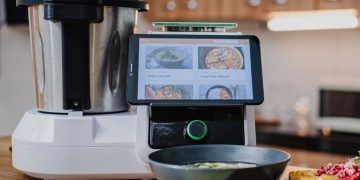
Smart ovens are the next evolution in home and commercial kitchen appliances. These internet-connected devices leverage artificial intelligence and machine learning to automate cooking processes, providing precise control over temperature, cooking time, and other key factors.
A typical smart oven comes with a range of features such as:
- Voice control via virtual assistants like Alexa or Google Assistant.
- Pre-programmed cooking modes for different types of dishes such as pizza, baking, roasting, and air frying.
- Smart sensors that detect food type and adjust temperature and cooking time accordingly.
- App integration, which allows users to control the oven remotely and receive notifications when cooking is complete.
2.2 Benefits of Smart Ovens
- Convenience and Precision: Smart ovens can cook food with increased precision, reducing the margin of error that typically comes with traditional cooking methods. For instance, the oven can automatically adjust the temperature based on the weight and type of food inside, ensuring perfectly cooked meals every time.
- Time-Saving: Many smart ovens come with pre-set recipes that can be executed with the push of a button. Some can even start cooking at a specific time or be remotely activated, saving time for busy individuals and families.
- Energy Efficiency: Smart ovens can be more energy-efficient than conventional ovens because they can cook food faster and more precisely, reducing the overall energy consumption.
2.3 Smart Ovens in Professional Kitchens
In professional kitchens, smart ovens are revolutionizing cooking by providing chefs with tools that enhance consistency, speed, and creativity. These ovens are used in restaurants, bakeries, and hotel kitchens to maintain food quality and ensure that every dish is cooked to perfection. For example:
- Convection cooking and steam infusion capabilities allow chefs to create delicate dishes, such as sous-vide-inspired meals, without the need for specialized equipment.
- Automated cooking eliminates human error in repetitive tasks, such as roasting meats or baking bread, ensuring consistent results with every dish.
Smart ovens can also integrate with inventory management systems, helping kitchens track ingredient usage and reduce waste by providing real-time data on what’s being cooked and how much time is left.
Section 3: AI Cooking Assistants – The Personal Chef in Your Kitchen
3.1 AI in the Kitchen: The Next Frontier
Artificial Intelligence has found its way into kitchens through AI cooking assistants—virtual chefs that guide users through every step of the cooking process. These systems use a combination of machine learning, voice recognition, and big data to personalize the cooking experience and assist with recipe recommendations, meal planning, and food preparation.
These AI systems can:
- Suggest recipes based on available ingredients.
- Guide cooking techniques by providing real-time instructions.
- Optimize meal planning by factoring in dietary preferences, portion control, and nutritional balance.
The rise of smart kitchen assistants—like Google Assistant, Amazon Alexa, and dedicated AI tools such as Chefling and Brava—have already begun to offer cooking advice and support. These assistants can also control compatible kitchen appliances, such as ovens, blenders, and refrigerators, making cooking a more seamless process.
3.2 AI-Powered Cooking: Streamlining Home Kitchens
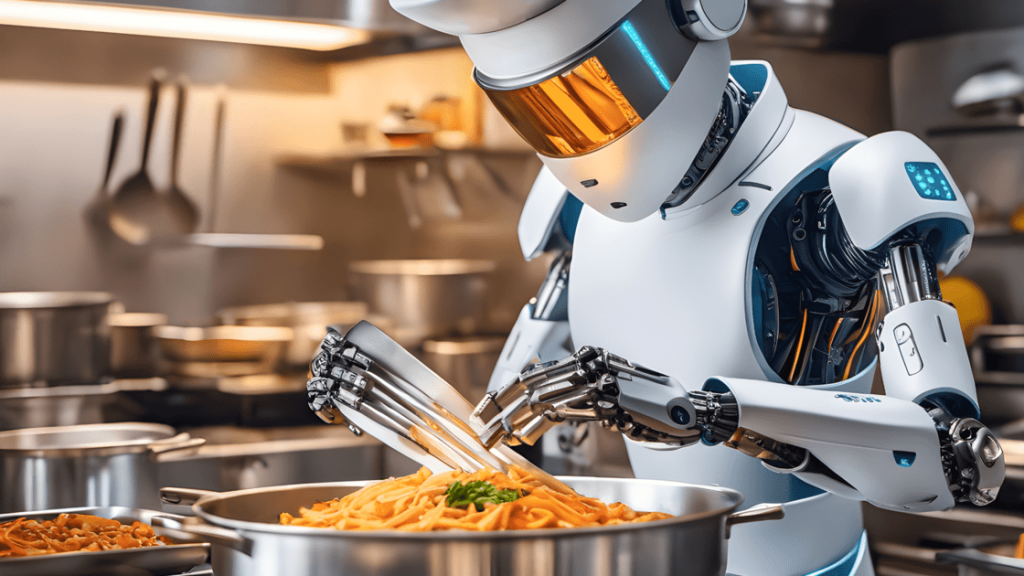
AI cooking assistants are proving particularly useful for home cooks who are seeking to simplify meal preparation. For example, Moley Robotics has developed a robotic kitchen with an AI assistant that can automatically prepare recipes, including chopping, stirring, and cooking. This fully integrated cooking system replicates the skill of a human chef, enabling anyone to cook like a professional.
Another example is Kitchen Robotics’ Suvie, which combines AI-driven cooking with refrigeration, offering users the ability to prep meals in advance and have them cooked automatically at the right time. These innovations provide ease, reduce preparation time, and help individuals eat healthier.
3.3 AI Cooking in Commercial Kitchens
The use of AI extends to professional kitchens, where it enhances efficiency, consistency, and creativity. AI systems are being used for:
- Menu Optimization: AI can analyze customer preferences and market trends to suggest the most popular dishes and pricing strategies.
- Inventory Management: AI systems can monitor stock levels in real-time, track usage patterns, and even predict future needs, streamlining operations.
- Recipe Customization: AI can create or modify recipes based on customer feedback, food allergies, or dietary preferences, increasing personalization in restaurant menus.
Section 4: The Future of Smart Kitchens
4.1 Integration of Technologies
Looking forward, the integration of 3D food printing, smart ovens, and AI cooking assistants will become more seamless. For example, a smart kitchen could automatically send a 3D printing request to a food printer when a meal is selected, use an AI assistant to give step-by-step cooking instructions, and have the oven preheat or adjust settings remotely. This type of interconnected kitchen ecosystem will offer unprecedented levels of convenience and precision.
4.2 The Role of Sustainability
As these technologies evolve, they also have the potential to contribute to sustainability efforts. Smart ovens can optimize cooking methods to reduce energy consumption, while 3D food printing can use sustainable ingredients such as plant-based proteins or lab-grown meat, creating lower-impact meals. These innovations align with the growing demand for eco-friendly and ethically produced food.
4.3 Consumer Adoption and Future Trends
Consumer adoption of smart kitchen technologies is likely to increase as prices come down and devices become more accessible. The potential for automation, personalization, and sustainability will continue to drive interest. In the next decade, we may see kitchens where robots and AI seamlessly prepare, cook, and serve meals based on individual preferences and health data.
Conclusion: The Smart Kitchen Revolution
Smart kitchen devices such as 3D food printers, smart ovens, and AI cooking assistants are changing the culinary landscape. They offer convenience, precision, and creative possibilities that have never been available before. Whether in the home or in professional kitchens, these devices are allowing us to cook smarter, healthier, and more sustainably. As technology continues to evolve, the future of cooking will undoubtedly be shaped by these intelligent devices, offering new opportunities for personalized nutrition, efficiency, and culinary creativity.