









Introduction: The Dawn of the Digital Kitchen
The kitchen, long considered the heart of the home, is undergoing a radical transformation. The integration of Artificial Intelligence (AI) and digital technologies into cooking spaces is reshaping the culinary world, revolutionizing not only how food is prepared but also how we conceptualize, experience, and interact with cuisine. From smart appliances that optimize cooking times and temperatures to AI-driven recipe generators capable of crafting innovative dishes, the modern kitchen is rapidly evolving into a creative and intelligent ecosystem.
This technological revolution is more than convenience—it is a fusion of culinary art, science, and digital innovation, offering opportunities for chefs, home cooks, and food enthusiasts to explore creativity on unprecedented levels. AI is not only automating routine tasks but also enhancing flavor pairing, nutritional analysis, and ingredient substitution, creating a new paradigm in gastronomy.
This article explores the transformative impact of AI and digital technologies in the kitchen, examining how these innovations are changing cooking practices, influencing culinary creativity, and reshaping food culture globally.
Section 1: Understanding the Digital Kitchen
1.1 Defining the Digital Kitchen
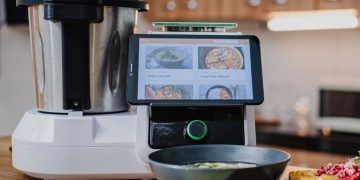
A digital kitchen integrates smart devices, connected appliances, and AI systems to optimize food preparation, enhance efficiency, and enable creative experimentation. Unlike traditional kitchens, which rely solely on human skills and manual processes, digital kitchens leverage data-driven insights to achieve precise cooking results.
Key components of a digital kitchen include:
- AI-powered ovens and stovetops: Devices that adjust temperature, humidity, and cooking duration based on the dish and desired outcome.
- Smart refrigerators and pantries: Appliances that track inventory, suggest recipes based on available ingredients, and reduce food waste.
- Digital assistants and virtual chefs: AI programs capable of guiding users step-by-step through recipes, offering flavor suggestions, and personalizing meals according to dietary needs.
- IoT-connected appliances: Allowing for seamless synchronization across devices, enabling remote monitoring and control.
By leveraging these tools, kitchens can achieve a level of precision and customization previously unattainable, transforming cooking into a data-informed, creative process.
Section 2: AI in Recipe Creation and Culinary Innovation
2.1 AI as a Recipe Developer
One of the most significant contributions of AI to modern cooking is its role as a culinary innovator. Advanced AI algorithms can analyze thousands of recipes, ingredient profiles, and chemical flavor compounds to generate entirely new dishes.
For instance, AI systems can:
- Identify unexpected flavor pairings based on chemical and sensory compatibility.
- Suggest ingredient substitutions for dietary restrictions or regional availability.
- Optimize recipes for nutrition, sustainability, and taste.
Platforms like IBM’s Chef Watson have pioneered this approach, demonstrating that AI can create novel recipes that are both palatable and innovative, pushing culinary boundaries beyond traditional human experimentation.
2.2 Flavor Pairing and Molecular Gastronomy
AI’s ability to analyze flavor compounds has profound implications for molecular gastronomy. By understanding the chemical profiles of ingredients, AI can propose combinations that maximize umami, sweetness, bitterness, or aromatic synergy. This capability enables chefs to:
- Design multi-layered flavor experiences.
- Experiment with fusion cuisines that blend disparate culinary traditions seamlessly.
- Develop dishes optimized for health benefits without compromising taste.
Such precision not only enhances creativity but also opens opportunities for personalized gastronomy, where meals can be tailored to individual taste preferences, allergies, or nutritional goals.
Section 3: Smart Appliances and Automation in the Kitchen
3.1 AI-Enabled Cooking Devices
Modern smart appliances are transforming cooking from a labor-intensive process into a highly efficient, controlled, and enjoyable experience. Examples include:
- Smart ovens: Using AI to adjust heat and cooking time based on food weight, moisture content, and recipe requirements.
- Automated stirrers and robotic chefs: Ensuring consistent cooking, mixing, and plating without manual intervention.
- Precision cookers: Devices like sous-vide machines that maintain exact temperatures for perfect textures.
These appliances not only save time but also reduce the risk of errors, enabling even amateur cooks to produce restaurant-quality dishes.
3.2 Robotics in Food Preparation
Robotics is increasingly entering the kitchen space, from robotic arms capable of flipping burgers to fully automated sushi-making machines. The benefits include:
- Consistency: Every dish meets exacting standards.
- Efficiency: Labor-intensive tasks are performed rapidly.
- Scalability: Restaurants and catering services can serve larger volumes without sacrificing quality.
By automating repetitive processes, chefs are freed to focus on creative and experimental aspects of cooking, transforming the kitchen into a laboratory of culinary innovation.

Section 4: AI in Nutrition, Health, and Sustainability
4.1 Personalized Nutrition
AI’s capabilities extend beyond taste and preparation—it also enables personalized nutrition planning. By analyzing a user’s dietary requirements, allergies, and health data, AI can recommend:
- Balanced meal plans.
- Substitutions for nutrient deficiencies.
- Portion adjustments to optimize health outcomes.
Apps and smart kitchen devices now integrate AI to provide real-time feedback on caloric intake, macronutrient ratios, and vitamin content, helping consumers make informed choices while maintaining culinary creativity.
4.2 Reducing Food Waste
AI also contributes to sustainability by minimizing food waste. Smart refrigerators and pantries monitor ingredient usage, predict spoilage, and suggest recipes using ingredients nearing expiration. This not only reduces waste but also encourages creative use of available ingredients, fostering innovation within constraints.
Section 5: The Creative Revolution in Professional Kitchens
5.1 AI-Assisted Culinary Experimentation
Professional chefs are embracing AI as a tool for culinary experimentation. By leveraging machine learning and predictive analytics, chefs can:
- Explore new flavor combinations.
- Develop dishes optimized for texture, aroma, and visual appeal.
- Adapt traditional recipes to modern dietary trends or local ingredients.
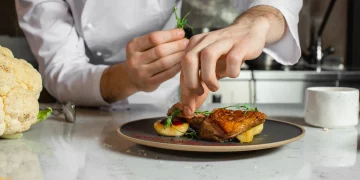
AI serves as a creative collaborator, offering inspiration, experimentation frameworks, and analytical insights that enhance the chef’s vision rather than replacing it.
5.2 Case Studies: Michelin-Star Restaurants and AI
Some Michelin-starred restaurants have begun integrating AI into their kitchens:
- Per Se (New York): Uses AI to refine seasonal tasting menus by analyzing customer feedback and ingredient data.
- Noma (Copenhagen): Experimented with AI-generated flavor pairings to develop avant-garde dishes.
- Spyce (Boston): Operates an automated kitchen where robotic systems prepare complex dishes efficiently while allowing chefs to focus on high-level creativity.
These examples illustrate that AI is complementing human artistry, creating a hybrid kitchen where precision meets imagination.
Section 6: Consumer-Level Applications and Smart Home Kitchens
6.1 Smart Home Cooking
For home cooks, AI and digital technologies provide unprecedented opportunities to explore culinary creativity. Features include:
- Step-by-step cooking guidance via voice assistants.
- Automatic grocery list generation based on AI-suggested recipes.
- AI-driven meal planning apps that balance taste, health, and seasonal availability.
These innovations democratize high-level culinary techniques, allowing enthusiasts to create dishes that would previously require professional expertise.
6.2 Interactive Dining Experiences
Beyond cooking, AI is enhancing interactive dining experiences. Examples include:
- Augmented reality (AR) menus: Visualizing dishes in 3D before preparation or ordering.
- AI taste prediction: Suggesting new flavor profiles based on user preferences.
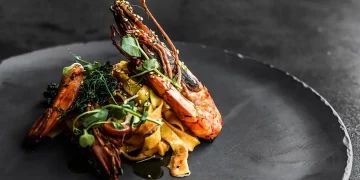
- Personalized plating designs: Tailoring the visual presentation of dishes according to aesthetic preferences.
Such experiences elevate dining from a routine activity to a creative, multisensory event, engaging sight, taste, and imagination simultaneously.
Section 7: Challenges and Considerations
Despite its transformative potential, AI in kitchens faces several challenges:
- Cost and Accessibility: High-end AI appliances and robotics can be expensive, limiting widespread adoption.
- Culinary Authenticity: Some purists argue that automation may reduce the human touch in traditional cooking.
- Data Privacy: AI-driven appliances often collect user data, raising concerns about privacy and security.
- Skill Balance: While AI can guide, assist, and inspire, cooks must still maintain a foundation of culinary knowledge to fully harness these tools.
Addressing these challenges is critical to ensuring that AI remains a creative enabler rather than a replacement in the culinary world.
Conclusion: A Transformative Era in the Kitchen
The integration of AI and digital technology into kitchens represents a revolution in culinary creativity. By combining precision, innovation, and personalization, the digital kitchen enables chefs and home cooks alike to explore unprecedented flavor combinations, nutrition-driven recipes, and aesthetic culinary experiences.
As AI continues to evolve, the kitchen will become not just a space for cooking but a laboratory for creativity, experimentation, and cultural fusion. From smart appliances and robotic systems to AI-assisted recipe development and interactive dining, technology is redefining the very essence of gastronomy.
The AI-powered kitchen is more than a trend; it is the future of cooking, where human ingenuity and machine intelligence converge to create a world of limitless culinary possibilities.