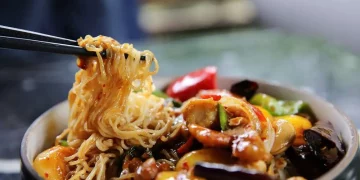










Introduction: The Power of Fusion in the Culinary World
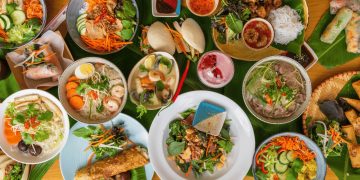
In today’s globalized world, food has become more than just sustenance—it has become an expression of culture, creativity, and innovation. As societies become more interconnected, the boundaries between traditional food cultures are blurring, leading to the rise of multicultural fusion cuisine. Fusion cooking is a dynamic form of culinary creativity that blends ingredients, techniques, and flavors from diverse culinary traditions to create new and exciting dishes.
Multicultural fusion cuisine is not just about combining different foods but also about telling a story of cultural exchange, history, and artistic expression. It’s about experimentation, where chefs blend the rich, diverse influences of various regions to create something entirely new and delicious. This style of cooking allows for limitless possibilities, where the only constraint is the imagination.
From Korean BBQ tacos to Indian pizza, fusion cuisine is reshaping how we think about food and dining experiences. This article will explore the concept of multicultural fusion, its origins, its influence on modern dining culture, and its future prospects. We will look at how different culinary traditions have contributed to the fusion movement and why multicultural dining experiences are becoming increasingly popular in restaurants around the world.
Section 1: The Rise of Multicultural Fusion Cuisine
Understanding Fusion Cuisine: A Global Phenomenon
Fusion cuisine refers to the integration of ingredients, techniques, and flavors from different culinary traditions to create new dishes. This culinary style has existed in some form throughout history. However, the recent surge in fusion cuisine can be attributed to globalization and the increased movement of people, ideas, and ingredients across borders.
In its earliest form, fusion cooking might have been seen in the blending of regional food practices along trade routes. Spices from India influenced Middle Eastern cooking, while Chinese trade routes brought noodles to Italy, resulting in pasta. However, the modern definition of fusion cuisine emerged in the late 20th century, especially in metropolitan cities where food cultures from around the world began to mix and evolve.
Cities like New York, London, and Los Angeles became melting pots of diverse food traditions, and this diversity laid the foundation for the fusion movement. Chefs from different backgrounds, inspired by their own culinary heritage and the influence of other cultures, began experimenting with blending ingredients and techniques to create innovative dishes that defied traditional boundaries.
Key Influences on Fusion Cuisine
- Immigration and Globalization: One of the primary drivers of multicultural fusion is the movement of people across borders. As immigrants brought their native foods to new regions, they adapted these foods to local ingredients and tastes. Over time, these adaptations gave rise to entirely new dishes that combined elements from both cultures.
- Culinary Tourism: As global travel became more accessible, people began to travel to different regions of the world to experience new food cultures. Upon returning to their home countries, they would often experiment with incorporating the flavors and techniques they learned abroad into their own cooking.
- Culinary Innovation and Creativity: Chefs in the modern era have become more experimental, pushing boundaries and using food as a canvas for creative expression. This innovation, paired with access to international ingredients, has led to an explosion of fusion dishes that combine traditional cooking techniques with novel ingredients.
Section 2: Examples of Multicultural Fusion Cuisine
1. Latin-Asian Fusion: The Rising Popularity of Korean BBQ Tacos
The Korean BBQ taco is one of the most popular examples of Latin-Asian fusion cuisine. This dish combines the traditional taco, a staple of Mexican cuisine, with Korean BBQ, specifically the marinated grilled meats and kimchi. The result is a flavor-packed dish that combines the savory, umami flavors of Korean cuisine with the fresh, spicy, and tangy elements of Mexican cooking.
This fusion was first popularized in Los Angeles by food trucks like Kogi BBQ, which brought together Korean barbecue and Mexican street food to create a cultural and culinary phenomenon. The tacos, typically filled with marinated beef or pork, are topped with kimchi, cilantro, and spicy sauces, offering an exciting combination of flavors and textures.
2. Indian-Italian Fusion: The Birth of Indian Pizza
Pizza is an Italian classic, but its integration with Indian cuisine has led to the creation of something entirely new: the Indian pizza. This fusion dish combines the iconic Italian pizza crust with bold Indian flavors. Tandoori chicken, paneer, and masala sauce are some of the popular toppings, replacing traditional mozzarella cheese with rich, creamy paneer and incorporating spices like garam masala and cumin.
Indian pizza has become a popular street food in countries like India and the UK, where the combination of Italian cooking techniques and Indian spices offers an exciting twist on the traditional pizza.
3. Japanese-Brazilian Fusion: The Sushi Burrito
The sushi burrito is an innovative fusion of two beloved food cultures—Japanese sushi and Mexican burritos. The sushi burrito replaces the traditional sushi roll with a large tortilla, filled with sushi ingredients such as raw fish, avocado, and rice. It’s wrapped in a large sheet of seaweed (nori) and rolled into a portable burrito.
This dish combines the art of sushi making with the convenience and flavors of a Mexican burrito. Popular in cities like San Francisco and New York, the sushi burrito offers a new way to enjoy the flavors of Japanese cuisine in a fast, modern, and mobile form.
4. Mediterranean-Asian Fusion: The Falafel Spring Roll
In this fusion dish, the classic Middle Eastern falafel is combined with the fresh and crispy texture of an Asian spring roll. The falafel, made from chickpeas or fava beans, is wrapped in rice paper along with lettuce, herbs, and spicy sauces, similar to the ingredients in a traditional spring roll.
This dish brings together the flavors of the Mediterranean and Asia in a fresh, crunchy, and flavorful snack, demonstrating how food cultures from different parts of the world can be harmoniously combined.
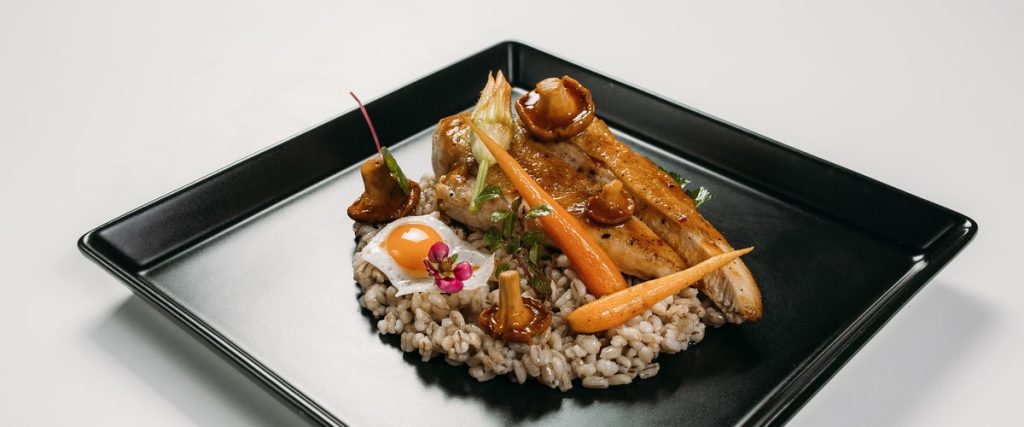
Section 3: The Impact of Multicultural Fusion Cuisine on the Global Food Scene
1. Culinary Innovation and Evolution
Multicultural fusion cuisine has pushed chefs to innovate, creating new dishes that reflect a globalized food world. By fusing flavors and techniques from multiple cultures, chefs are breaking free from the confines of tradition and experimenting with new ways of presenting food. This has led to the evolution of new cooking styles, ingredients, and flavors, enriching the global food scene.
For example, Mexican-Asian fusion has introduced soy sauce into traditional salsas, while Mediterranean-Latin fusion has brought lime and cilantro to classic Middle Eastern dips like hummus. These hybrid creations have become popular menu items in restaurants around the world and have influenced how people perceive and enjoy international cuisine.
2. Cultural Exchange and Understanding
Beyond the kitchen, multicultural fusion cuisine serves as a platform for cultural exchange. By combining culinary traditions, chefs are not only sharing flavors but also cultural stories and experiences. Food has the unique ability to bring people together, fostering mutual understanding and respect for different cultures.
Through fusion cuisine, diners can experience flavors from different parts of the world without leaving their hometowns. This has contributed to a more inclusive food culture, where diversity is celebrated and explored, and food is used as a medium for connection and communication.
3. Restaurant Trends and Consumer Demand
The growing demand for multicultural fusion dishes is shaping restaurant menus worldwide. Consumers, particularly those in urban centers, are increasingly looking for exciting dining experiences that challenge traditional boundaries. Many restaurants now offer fusion options alongside traditional dishes, allowing diners to explore a mix of culinary traditions in one meal.
The rise of food trucks and pop-up restaurants has also fueled the popularity of fusion cuisine. These mobile dining experiences often specialize in creative, experimental dishes that combine elements from various food cultures, offering affordable and accessible options for food lovers.
Section 4: The Future of Multicultural Fusion Cuisine
1. Sustainability and Fusion
As the world becomes more concerned with sustainability and the environmental impact of food production, multicultural fusion cuisine is poised to embrace these trends. Chefs are increasingly focusing on plant-based fusion, using ingredients that are both innovative and sustainable. Dishes that combine global flavors while using locally-sourced, sustainable ingredients will likely become more common in the years to come.
For instance, fusion dishes might blend traditional ingredients with plant-based meats or organic produce to offer both an exciting culinary experience and a more sustainable option for conscious consumers.
2. Technology and Fusion Food
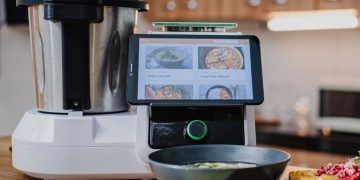
The role of technology in the future of multicultural fusion is also significant. As food tech continues to advance, we can expect even more innovative ways to create and enjoy fusion cuisine. 3D food printing, molecular gastronomy, and smart kitchen devices will allow chefs to push the boundaries of what fusion cuisine can be, resulting in even more unique and interactive dining experiences.
Conclusion: A Global Culinary Adventure
Multicultural fusion cuisine represents the intersection of culinary traditions, innovation, and creativity. It reflects the interconnected world we live in and the endless possibilities that arise when diverse food cultures come together. As the food world continues to evolve, fusion cuisine will undoubtedly remain a dynamic and influential force in global dining, offering people everywhere the opportunity to explore, celebrate, and experience the flavors of the world in new and exciting ways.