









Introduction: Redefining the Roles of Ingredients
In recent years, culinary innovation has increasingly focused on redefining the role of ingredients in modern cooking. Traditionally, ingredients were categorized based on their basic functions: staples like rice, pasta, and bread served as the backbone of meals; vegetables were considered essential for balance and nutrition; proteins were the central focus of many dishes; and garnishes and condiments were used primarily for decoration and flavor enhancement. However, a growing trend in the culinary world is layering ingredients in complex and innovative ways that challenge these traditional categories, giving each ingredient more versatility, depth, and meaning.
In this article, we will explore how ingredients are being used in layered applications, not just in terms of culinary techniques, but also with respect to presentation, flavor complexity, and textural variety. Chefs around the world are breaking the rules of traditional food roles, creating multi-dimensional dining experiences that transcend the old paradigms of what food “should” be. We will discuss how ingredients, from grains and vegetables to proteins and garnishes, are being reimagined and applied in more creative and sustainable ways. Additionally, we will consider the impact of this evolution on both cooking techniques and food culture.
Section 1: The Evolution of Ingredient Use in Cooking
The Traditional Roles of Ingredients: A Brief Overview
Historically, the role of an ingredient in cooking was defined by its place in the dish. The staples were typically carbohydrates that provided the foundation and sustenance for a meal. Vegetables were often used to balance a dish both nutritionally and aesthetically, providing fiber, color, and texture. Proteins, whether from animals or plants, served as the primary source of flavor and energy. Finally, garnishes or condiments played secondary roles, enhancing the main elements with flavor, texture, and visual appeal.
For instance, in a traditional pasta dish, the pasta itself was the staple, the vegetables (such as tomatoes or spinach) provided added flavor and nutrition, and the meat or cheese served as the star ingredient. The sauce acted as a unifying component, adding richness and moisture. The garnish—often a sprinkle of grated cheese or fresh herbs—was there to elevate the visual appeal and aroma.
Breaking Free from Traditional Boundaries
In the 21st century, chefs and home cooks alike have begun to experiment with ingredient layering, using each component in unexpected and multi-functional ways. For example:
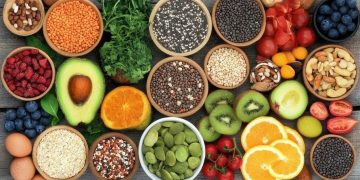
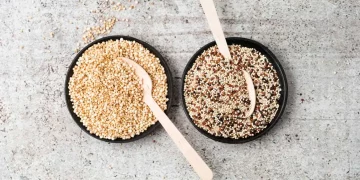
- Grains like quinoa and rice are no longer just the base of a dish; they are now used to add texture, flavor, and complexity. Cauliflower rice or chickpea pasta are becoming popular alternatives that not only fulfill the carb role but bring unique flavors and textures.
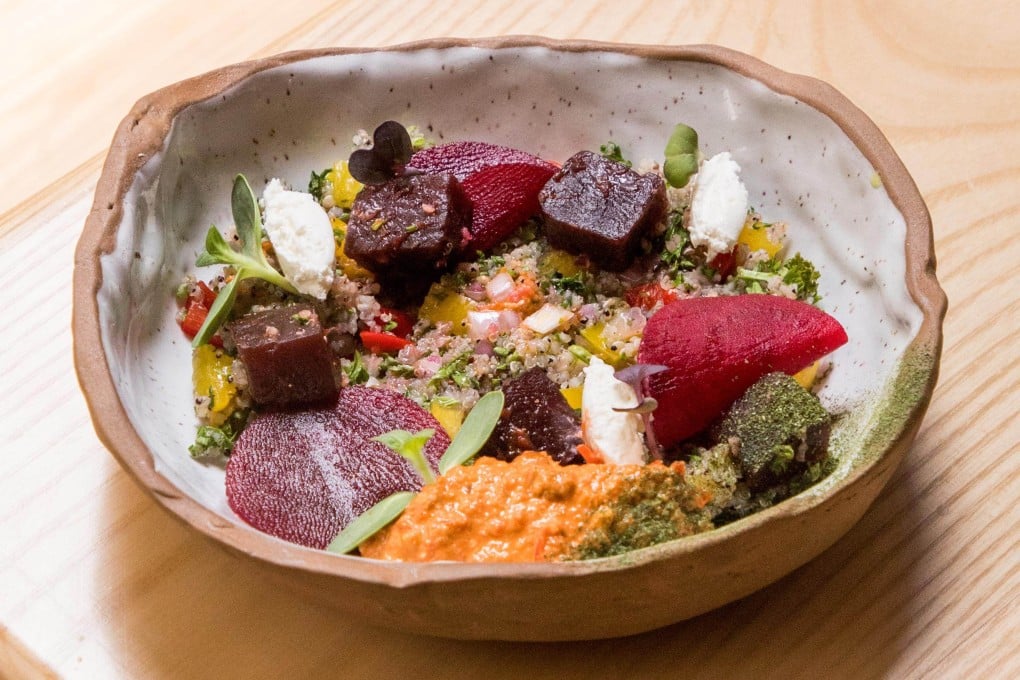
- Vegetables have moved beyond simple sides and garnishes. Ingredients such as beets, carrots, sweet potatoes, and even mushrooms are now being used as the centerpiece of dishes, prepared in ways that highlight their natural sweetness, umami, and earthiness.
- Proteins, once thought of as the central element of the meal, are being creatively used as garnishes or flavoring agents in small amounts, as part of an effort to embrace flexitarianism and reduce the environmental impact of meat consumption.
- Garnishes and condiments have become more than just afterthoughts. Today, they often take on primary roles, offering flavor complexity and texture contrast to elevate the dining experience.
This evolution has been driven by several factors, including the increasing awareness of food sustainability, the desire for health-conscious meals, and a broader cultural interest in food as both an art form and an experience.
Section 2: Modern Techniques for Layered Ingredient Applications
Using Ingredients in Innovative and Complex Ways
With the help of modern cooking techniques and an ever-growing interest in food creativity, chefs are able to use ingredients in ways that were not possible in the past. These techniques help to highlight the layers of flavor, texture, and presentation that make up each dish. Here are a few examples of how ingredient layering has evolved in modern culinary practices:
- Sous Vide Cooking:
The sous vide technique has revolutionized how proteins, vegetables, and even grains are cooked. By cooking ingredients in a vacuum-sealed bag at precise temperatures, chefs can achieve extraordinarily tender meats, perfectly cooked vegetables, and infused flavors that elevate the overall dish. The precise control offered by sous vide allows for intricate layering of ingredients—such as combining cooked vegetables with meats and sauces that develop over extended cooking times. - Fermentation and Pickling:
Fermentation and pickling have become essential tools for modern chefs. These techniques introduce depth of flavor and umami into ingredients that are often overlooked. Fermented vegetables, pickled fruits, and fermented grains can now be layered into dishes as bold flavor enhancers, offering contrast to the natural sweetness of roasted vegetables or the richness of meats. These processes also serve as a form of preservation, extending the shelf life of certain foods and reducing food waste. - Textural Contrast:
One of the key aspects of modern ingredient layering is the manipulation of texture. Chefs now use techniques like foaming, crisping, and dehydrating to create unique textures in familiar ingredients. For instance, crispy vegetable skins or dehydrated vegetable chips are used as toppings or side elements, providing an unexpected crunch to contrast the smoothness of purees or the tenderness of sous vide proteins. - Plant-Based Substitutes:
The rise of plant-based alternatives has expanded the use of ingredients beyond their traditional roles. Ingredients like jackfruit, tofu, and tempeh are no longer relegated to being simply a replacement for meat; they are now being used as primary ingredients in their own right. Jackfruit, for example, can be shredded to mimic the texture of pulled pork, while tofu can be seared to create a crispy, flavorful layer of texture that enhances the overall dish. - Smoky and Charred Flavors:
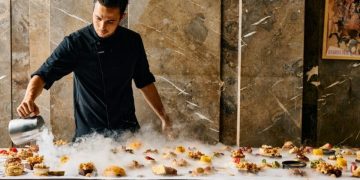
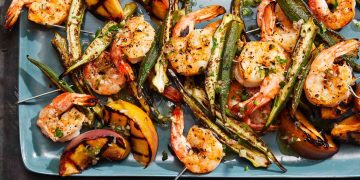
Smoking and charring ingredients, whether vegetables, fruits, or proteins, have become key techniques in creating a layered flavor profile. Smoky flavors can be added using a smoke gun, charcoal grilling, or by incorporating smoked salts and liquids. These techniques add a deep, savory complexity to ingredients that can serve as the backbone or garnish of a dish. - Gelification and Emulsification:
The process of creating gels and emulsions allows chefs to manipulate liquids into solid forms without the use of heat, providing a more intense flavor experience. Fruit gels, sauces, and infused oils can be used as layers in dishes to add flavor while maintaining the integrity of the ingredient. For example, a balsamic vinegar gel or a citrus emulsion can add a surprising burst of flavor to a main dish, complementing both sweet and savory elements.
Section 3: The Impact of Layered Ingredient Applications on Modern Cuisine
Shifting Perspectives on Sustainability and Health
As the culinary world moves towards creative ingredient use, sustainability and health have become central concerns. Locally sourced and seasonal ingredients are now valued not only for their freshness and flavor but also for their positive impact on the environment. By using ingredients in layered, multi-dimensional ways, chefs are able to make dishes more nutrient-dense and reduce waste, especially when ingredients are used in multiple forms (e.g., roasting, pickling, and pureeing vegetables for different parts of the dish).
Additionally, the use of plant-based ingredients and the reduction of meat consumption are key elements in modern culinary practices. Layering plant-based proteins with traditional ingredients like vegetables and grains allows chefs to create dishes that are not only more sustainable but also more health-conscious by reducing fat, cholesterol, and processed foods.
Reimagining Cultural Identity and Innovation
The layered use of ingredients is not only a culinary trend but also a cultural statement. Chefs are increasingly drawing inspiration from global culinary traditions, using familiar ingredients in new and innovative ways to create cross-cultural fusion dishes. For example, the combination of Mexican, Japanese, and Mediterranean influences in a single dish demonstrates how diverse food traditions can coexist in a harmonious and layered manner.
This cross-cultural exploration is a reflection of a broader shift towards food as cultural storytelling, where each layer of an ingredient can tell a story of heritage, identity, and artistic expression.
Conclusion: A New Era of Ingredient Innovation
The layered use of ingredients represents a major shift in the way we approach cooking and food design. By breaking the boundaries of traditional ingredient roles, chefs are creating dishes that are multidimensional, sustainable, and culturally rich. This evolution allows for greater creativity, expression, and interactivity in the dining experience.
As the culinary world continues to innovate and evolve, the idea that ingredients can be used in complex and layered ways will undoubtedly become a cornerstone of modern gastronomy. The future of cooking will likely see even more experimentation with textures, flavors, and techniques, encouraging food lovers everywhere to reimagine and experience food in ways that challenge our senses and expectations.