






Introduction: The Convergence of Culinary Craft and Artistic Expression
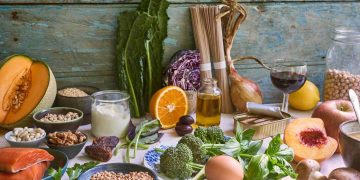
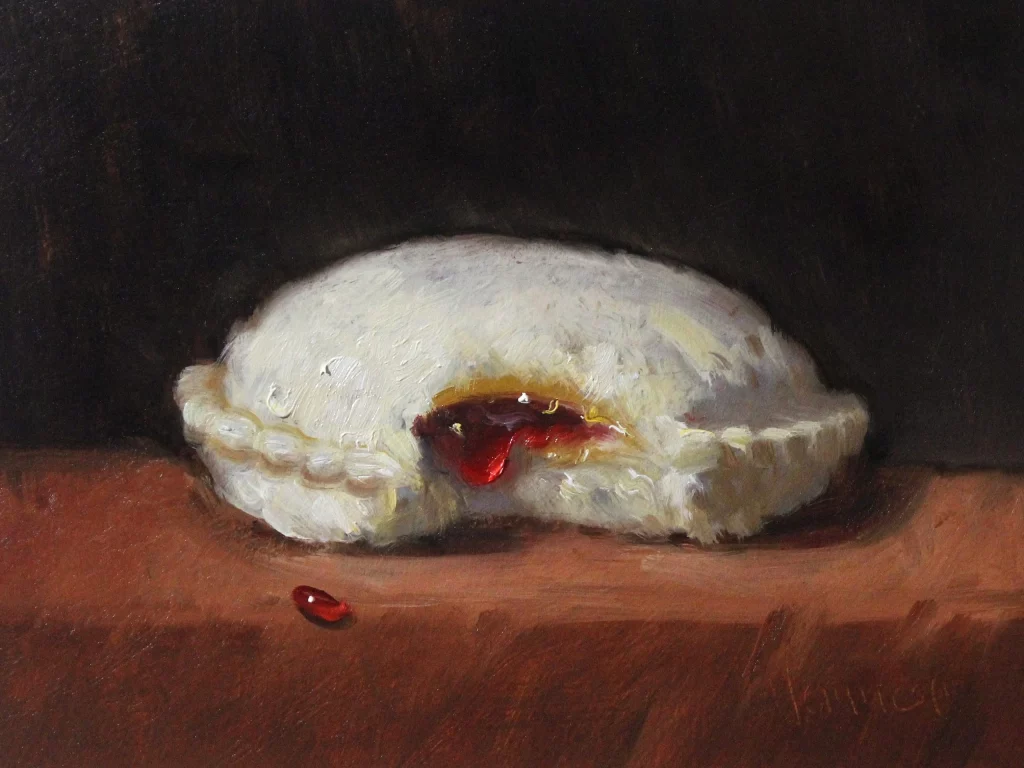
Food, at its most basic level, is sustenance; a fundamental necessity for survival. Yet, when viewed through the lens of art, food transforms into something much more profound. It becomes a medium of expression, a canvas for creativity, and an avenue for innovation. From the intricacy of food plating to the sculptural qualities of edible installations, food’s intersection with art has given birth to a new movement that celebrates not only taste but also visual appeal, texture, and form.
In recent decades, the boundary between culinary arts and visual arts has blurred, creating a dynamic space where chefs are not just cooks, but artists. This fusion of food and art has led to the emergence of culinary masterpieces that captivate not only the taste buds but also the eyes. Whether it’s the perfect presentation of a dish, the sculptural beauty of chocolate or sugar art, or the artistic possibilities within molecular gastronomy, food has found a powerful place in the world of art.
This article explores the unique charm of food in its collision with art, examining how this fusion is reshaping the way we perceive food, both as a cultural artifact and as a vehicle for artistic expression. Through examples of food as an artistic medium, we will delve into the aesthetic qualities of food, its role in creative expression, and the ways in which chefs, artists, and designers use food to communicate, inspire, and challenge our perceptions.
The Aesthetic Transformation of Food: From Function to Art
From Practicality to Beauty
Traditionally, food was seen primarily as a practical necessity—something to nourish and sustain the body. For centuries, the artistry of food preparation was not a focal point in culinary traditions. However, with the rise of haute cuisine and the evolution of fine dining, chefs began to see food as more than just nourishment. They began to approach food preparation as an artistic endeavor, where the emphasis shifted from merely taste to the entire sensory experience: sight, smell, texture, and of course, taste.
The aesthetic transformation of food began in earnest in the mid-20th century, when chefs like Auguste Escoffier and later Ferran Adrià and René Redzepi started to push the boundaries of what food could represent. The emergence of fine dining restaurants that focused on food presentation—using color contrasts, geometric plating, and delicate garnishes—marked a significant shift toward seeing food as an art form.
For example, at El Bulli, Ferran Adrià didn’t just create dishes; he crafted edible sculptures that defied expectations, using molecular gastronomy to create dishes that were both visually striking and conceptually profound. The careful arrangement of ingredients, often presented in unconventional forms, was designed to challenge diners’ expectations of what food could be.
The Role of Plating: Food as a Canvas
Culinary Plating as Artistic Expression
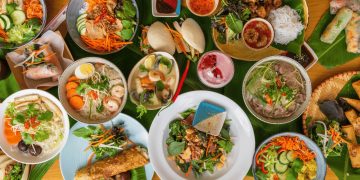
One of the most visible ways in which food has become an art form is through the meticulous process of plating. Plating is the art of arranging and presenting food on a plate, transforming it into a visual work that communicates the dish’s story, flavor profile, and texture in a single glance. This act of food presentation can be seen as a form of creative expression, where chefs use various elements—color, shape, texture, and arrangement—to evoke emotion and stimulate the senses.
The visual appeal of a dish can enhance the diner’s overall experience, as studies have shown that the appearance of food can influence the perception of its taste. The trend of “artful” plating has grown in popularity with the rise of Michelin-starred restaurants and culinary competitions, where precision, design, and creativity are key components of the dining experience. Plates have become canvases, and chefs have become the artists, using sauce, garnishes, and carefully chosen ingredients to create compositions that are visually harmonious and balanced.
Renowned chefs like Thomas Keller, Heston Blumenthal, and Massimo Bottura have elevated food plating to an art form, transforming each dish into an edible masterpiece. For instance, Massimo Bottura’s “Five Ages of Parmigiano Reggiano” not only explores different textures and flavors of cheese but also presents them in a visually complex and aesthetically captivating manner. The dish tells a story through the arrangement of ingredients and their presentation, blurring the lines between food and visual art.
The Influence of Art Movements on Food Plating
Art movements such as Cubism, Abstract Expressionism, and Surrealism have influenced food presentation in significant ways. For example, Cubism, with its emphasis on geometric forms and fragmented perspectives, can be seen reflected in contemporary plating techniques, where chefs use geometric patterns and unconventional arrangements to present their dishes.
In contrast, Surrealism has inspired chefs to play with the unexpected, challenging diners to question reality and embrace the fantastical. Dishes that defy logic, like a plate of edible clouds or a dessert that mimics a sculptural piece, often reflect the Surrealist idea of transforming the ordinary into something extraordinary. These culinary expressions are rooted in artistic movements that encourage people to think differently about the world around them.
Edible Sculptures and Food Art Installations
Beyond the Plate: Food as Sculpture
While plating focuses on presenting food beautifully within the confines of a plate, edible sculptures and food art installations take food into the realm of three-dimensional art. These works transcend traditional food preparation, allowing food to become a stand-alone art form that can be viewed from all angles, much like a sculpture in a museum.
Artists like Carl Warner, who is known for his “foodscapes,” use food as a medium to create intricate landscapes and scenes made entirely of edible ingredients. His work challenges the notion of food as a temporary item meant for consumption, turning it into something permanent and artistically significant.
In addition, chefs and artists working with sugar, chocolate, and marzipan create detailed, life-sized sculptures and figures that are not only visually stunning but also edible. These works of edible art are often showcased at events like the Cake International or the Salon du Chocolat, where intricate and whimsical creations captivate visitors with their beauty and craftsmanship. For instance, sculptors working with sugar have created life-sized horses, ornate flowers, and even portraits, demonstrating that food can be molded, shaped, and assembled into complex and striking visual statements.
Molecular Gastronomy: The Science of Artful Cooking
The Intersection of Science and Creativity
Molecular gastronomy is a cutting-edge discipline that blends the scientific principles of food with the artistic vision of the chef. This innovative approach involves using scientific techniques to manipulate the textures, forms, and appearances of food, creating dishes that look and taste nothing like traditional cuisine. The principles of molecular gastronomy, popularized by chefs like Ferran Adrià, Heston Blumenthal, and Grant Achatz, have led to the creation of edible foams, gels, and vapors, as well as dishes that change flavor or texture in response to temperature or time.
The beauty of molecular gastronomy lies in its ability to merge the precision of science with the boundless creativity of art. Dishes like Adrià’s “Spherical Olive”—where an olive is transformed into a liquid sphere that bursts in the mouth—demonstrate how food can be reimagined as an art form that transcends traditional boundaries. Molecular gastronomy invites diners to experience food through all their senses in new and unexpected ways, making it as much a spectacle as it is a culinary experience.
The Cultural Impact of Food as Art
Food as a Reflection of Identity and Culture
Food art is not only a visual and sensory experience—it also has deep cultural significance. Throughout history, food has been used to express identity, communicate cultural values, and celebrate tradition. From Japanese kaiseki to French haute cuisine, the preparation and presentation of food reflect the values and history of a region. In this sense, food becomes a vehicle for cultural expression, providing a window into the customs, beliefs, and stories of different peoples.
Chefs, in their pursuit of culinary art, often seek to honor traditional techniques while infusing their creations with contemporary influences. This blending of old and new reflects the dynamic nature of food culture, where culinary heritage is continually reshaped and reinterpreted.
The global movement toward food as art has also sparked discussions about the commercialization of culinary creativity. In an age where Instagram-worthy dishes are increasingly celebrated, food art is sometimes seen as a reflection of our desire for instant gratification and social media validation. Yet, beyond the glossy images, food art continues to hold deep cultural and personal significance, serving as a means of communication and self-expression for chefs and diners alike.
Conclusion: The Ever-Evolving Relationship Between Food and Art
Food, in its collision with art, has revealed its unique charm and transformative power. Through its aesthetic presentation, sculptural forms, and scientific manipulation, food has evolved from a necessity into a dynamic medium of artistic expression. As chefs continue to push the boundaries of culinary creativity, food remains a canvas for storytelling, innovation, and cultural reflection.
The marriage of food and art encourages us to view our meals not just as sustenance but as a powerful form of creative expression. Whether in the form of intricately plated dishes, edible sculptures, or molecular gastronomic experiments, food art is reshaping the way we experience, appreciate, and understand the culinary world. In the end, food’s unique charm lies in its ability to nourish not only the body but the soul, leaving a lasting impression that lingers long after the last bite.