









Paris, the City of Light, is synonymous with exceptional culinary experiences. From the elegance of Michelin-starred restaurants to the simplicity of neighborhood bistros, Parisian cuisine has long been celebrated worldwide for its innovation, artistry, and deeply-rooted traditions. Yet, in recent years, a new trend has been emerging within the city’s food scene—one that fuses the grandeur of haute cuisine with the charm of small bistros. These new wave restaurants, often referred to as bistronomy, are transforming the Parisian dining experience and redefining the future of gastronomy in the city.
This article explores how Paris, a place renowned for its culinary legacy, has embraced a new dining revolution that combines the finest ingredients, bold flavors, and cutting-edge techniques, all served in an intimate and relaxed atmosphere. Bistronomy, as a movement, is not just about affordable high-quality food; it is about creating a space for culinary creativity, without sacrificing the rich traditions of French cuisine.
1. Parisian Gastronomy: A Historical Perspective
To truly appreciate the impact of bistronomy on modern Paris, it is essential to consider the city’s rich culinary history. Over the centuries, Paris has evolved from being the epicenter of royal dining to becoming the center of the global gastronomic world. From the birth of haute cuisine in the 17th century to the Michelin revolution of the 20th century, Paris has always been at the forefront of culinary excellence.
1.1 The Birth of Haute Cuisine
The term haute cuisine refers to refined French cooking that emphasizes technique, presentation, and the use of high-quality ingredients. In the 17th and 18th centuries, chefs such as Marie-Antoine Carême and Auguste Escoffier formalized the techniques that would later define French gastronomy. These chefs transformed cooking from a household necessity into an art form, setting the standard for fine dining worldwide.
The Parisian restaurant culture emerged in the 18th century, with iconic establishments like Le Procope opening their doors to a growing middle-class audience. This cultural shift allowed restaurants to cater to the growing demand for sophisticated dining experiences, making Paris the gastronomic capital of the world.
1.2 Michelin Stars and Fine Dining
The advent of the Michelin Guide in the early 20th century brought an unparalleled level of prestige to Paris’s dining scene. Michelin stars became the ultimate benchmark of excellence, with prestigious restaurants like Le Meurice, L’Ambroisie, and Alain Ducasse au Plaza Athénée serving as examples of the heights that French cuisine could achieve. These Michelin-starred establishments set the tone for Paris’s reputation as the global capital of fine dining.
2. The Rise of Bistronomy: A New Era of Parisian Dining
In recent years, a new trend has taken hold in Paris’s restaurant scene: bistronomy. This fusion of the bistro culture and gastronomy combines the best aspects of traditional French bistro dining with the refinement and creativity of modern haute cuisine.
2.1 What is Bistronomy?
Bistronomy is a portmanteau of “bistro” and “gastronomy,” reflecting the movement’s commitment to serving high-quality food in a casual, accessible setting. It emerged in the early 2000s as a response to the rising costs of Michelin-starred restaurants and the desire to make fine dining more affordable and approachable. Bistronomy restaurants focus on using seasonal, locally sourced ingredients and innovative techniques, all while maintaining a relaxed and unpretentious atmosphere.
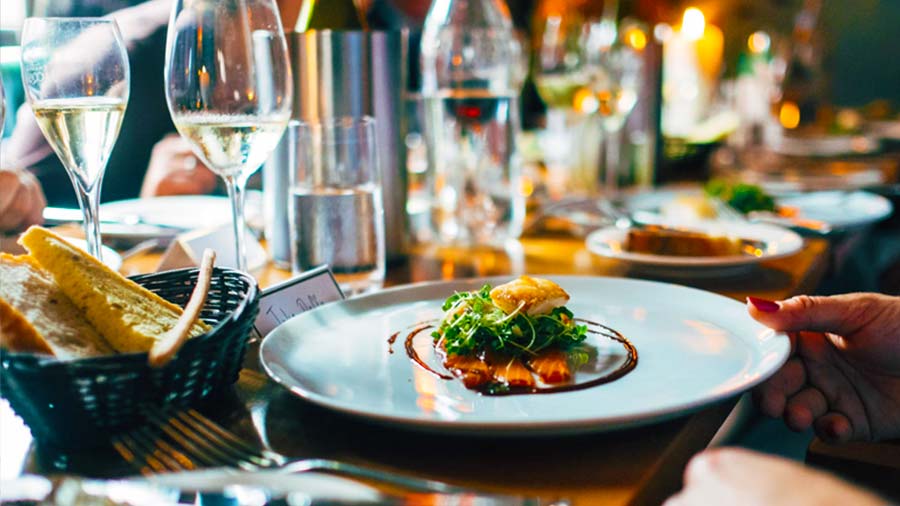
Unlike traditional French fine dining restaurants, which often feature elaborate presentations, extensive wine lists, and lengthy tasting menus, bistronomy places an emphasis on simplicity, flavor, and creativity. Diners can expect to enjoy refined dishes in a more intimate, informal environment that encourages conversation, spontaneity, and enjoyment without the need for formal attire or stiff etiquette.
2.2 The Impact of Bistronomy on Paris’s Culinary Landscape
The rise of bistronomy has had a profound impact on the Parisian dining scene. It has democratized gastronomy, making it accessible to a broader range of people, both locals and visitors. Bistronomy has introduced a new way of dining—one that emphasizes quality without the formality or expense associated with traditional fine dining.
Restaurants such as Le Chateaubriand, Septime, and Frenchie are often cited as pioneers of the bistronomy movement in Paris. These establishments focus on delivering exceptional cuisine in a relaxed setting, making world-class food available to a wider audience. Many of these restaurants offer a tasting menu that changes regularly, allowing chefs to showcase the best seasonal ingredients in their most creative forms.
3. Key Elements of Parisian Bistronomy
What makes the Parisian bistro culture so appealing is its focus on authenticity, simplicity, and a sense of community. These restaurants often feature a daily-changing menu, locally sourced produce, and innovative cooking methods that highlight the flavors of traditional French cuisine while incorporating modern twists.
3.1 Seasonal Ingredients and Locally Sourced Produce
One of the cornerstones of bistronomy is the use of seasonal ingredients. Parisian bistronomy restaurants are committed to working closely with local farmers, butchers, and fishmongers to ensure that their menus feature the freshest and most sustainable ingredients available. This commitment to seasonality ensures that each dish is a reflection of the time of year, with flavors that are at their peak.
In addition to using seasonal produce, many bistronomy chefs also focus on sustainability and ethical sourcing, making sure that their ingredients are not only of the highest quality but also produced in an environmentally conscious manner.
3.2 A Creative Approach to French Classics
Parisian bistronomy is all about reinventing traditional French dishes with a contemporary flair. While classic French dishes such as coq au vin, duck confit, and ratatouille remain staples on many bistronomy menus, chefs often reinterpret these dishes using modern techniques or unconventional ingredients. For example, a dish of sautéed foie gras might be paired with saffron-infused risotto, or a classic beef bourguignon might be served with a truffle mousse.
By experimenting with textures, flavors, and presentations, bistronomy chefs have transformed traditional French fare into exciting, dynamic dishes that surprise and delight diners.
3.3 The Role of Atmosphere and Service
While bistronomy focuses on high-quality food, it also places a premium on creating a welcoming atmosphere. The ambiance in many bistronomy restaurants is intentionally casual, with an emphasis on comfort and simplicity. Guests are encouraged to relax, enjoy their meal, and engage with others in a way that is often not possible in more formal dining establishments.
Service in bistronomy restaurants is friendly and unpretentious. Servers are knowledgeable about the food and wine but are not as formal or rigid in their approach. This informal service style encourages a more personal connection between guests and staff, enhancing the overall dining experience.
4. Iconic Parisian Bistros and New Wave Restaurants
Several Parisian bistros and restaurants have become emblematic of the bistronomy movement, providing a glimpse into the evolution of Parisian cuisine and the growing trend of refined, casual dining.
4.1 Le Comptoir du Relais: A Bistronomy Pioneer
Le Comptoir du Relais, located in the Latin Quarter, is often considered one of the first true bistronomy restaurants. Chef Yves Camdeborde, a key figure in the rise of bistronomy, has created a menu that combines classic French bistro fare with modern culinary techniques. The intimate, relaxed atmosphere of the restaurant, coupled with its commitment to high-quality, seasonal ingredients, has made it a favorite among Parisians and tourists alike.
4.2 Septime: A Michelin-Starred Bistronomy Gem
Septime, another leading bistronomy restaurant, has garnered international acclaim for its creative dishes and commitment to sustainability. Chef Bertrand Grébaut focuses on using local, organic ingredients and combining them with innovative cooking techniques. Septime has earned a Michelin star and continues to set the standard for modern, refined Parisian dining. Its minimalist interior and exceptional food have made it a standout among the city’s best restaurants.
4.3 Frenchie: Where Global Flavors Meet French Tradition
Chef Grégory Marchand of Frenchie is known for blending French techniques with international influences, creating unique dishes that reflect the globalization of Parisian cuisine. Frenchie’s menu features a range of exciting combinations, such as roasted lamb with za’atar or tuna tartare with ginger and soy, offering a dynamic fusion of flavors and techniques that have made it one of Paris’s most talked-about restaurants.
5. The Future of Parisian Dining
The rise of bistronomy in Paris signifies a shift toward accessible luxury and creative expression in the culinary world. While traditional fine dining establishments will always hold a special place in Paris’s gastronomic history, it is clear that a new generation of chefs is transforming the way we think about food, dining, and the entire restaurant experience.
As bistronomy continues to evolve, we can expect to see more restaurants embrace the principles of local sourcing, seasonal menus, and creative innovation. The fusion of high-end gastronomy with the charm of bistro culture offers an exciting glimpse into the future of food in Paris, where excellence, creativity, and accessibility all coexist.
Conclusion: A New Culinary Era in Paris
In conclusion, the rise of bistronomy in Paris represents a bold new chapter in the city’s rich culinary history. By combining the best aspects of fine dining with the relaxed, intimate nature of traditional bistros, Paris has created a space where diners can experience exceptional food in an environment that values both quality and simplicity. This trend is not just a passing fad but a testament to the ever-evolving nature of gastronomy, where tradition meets innovation in the heart of the City of Light.