









In the context of a rapidly globalizing world, where cultures are blending and traditional practices are fading, food remains an essential symbol of cultural identity. The concept of food as a form of cultural heritage is not merely about preserving recipes or cooking techniques. It is about safeguarding a way of life, maintaining a connection to history, and transmitting values across generations. This intricate relationship between food and culture not only reflects the practices, beliefs, and traditions of a community but also strengthens a shared sense of belonging and pride. The preservation of food as cultural heritage offers a unique and enriching approach to ensuring the continuity and diversity of global cultures.
The Role of Food in Cultural Identity
Food plays a pivotal role in shaping and expressing cultural identities. It is deeply entwined with every aspect of daily life, from religious rituals and celebrations to family gatherings and communal events. Each dish, ingredient, and preparation method tells a story of geographical influences, historical events, and the unique evolution of a community’s way of life.
For example, the diverse culinary traditions across Italy—from the pasta and pizza of the south to the risottos and polenta of the north—reflect both the local geography and historical influences of invasions, trade routes, and regional customs. In the same way, Chinese food is deeply connected to philosophies like Confucianism, Taoism, and the concept of balance, where the harmony of flavors symbolizes balance in life itself. Each meal offers insight into the values, aspirations, and customs of the people who created it.
In many societies, traditional foods are much more than sustenance; they embody a cultural connection to the past. For instance, the preparation of a family dish passed down through generations or the act of cooking with local ingredients symbolizes the preservation of a unique cultural heritage that has endured despite external pressures. Through food, individuals and communities can maintain a distinct identity, even in the face of globalization and homogenization.
The Globalization of Food and the Threat to Culinary Heritage
Globalization has significantly impacted the way food is produced, consumed, and appreciated. While the exchange of culinary practices has enriched global cuisine, it has also posed a serious threat to the preservation of traditional foods and culinary practices. Fast food chains, mass production, and the dominance of industrial agriculture have led to a decrease in the use of local, seasonal ingredients and traditional cooking methods. In many cases, the widespread availability of pre-packaged and standardized foods has diminished the importance of traditional cooking techniques and the knowledge surrounding them.
Moreover, global food trends can sometimes overshadow local culinary traditions. The global popularity of foods like sushi, pizza, or hamburgers has created an oversaturation of these dishes, often leading to the loss of their original regional variations. In some cases, traditional dishes are commercialized, stripped of their cultural significance, and adapted for mass consumption, losing the deeper meaning behind them.
As a result, many indigenous food practices are being forgotten or displaced. This trend is particularly evident in rural communities where young people may no longer see the value in learning time-honored recipes or techniques. This generational gap in culinary knowledge represents a significant challenge in preserving food as cultural heritage.
The Importance of Food Preservation
The preservation of food as a cultural heritage is vital for several reasons. First, it ensures the continuity of cultural identity. Traditional foods represent more than just flavors; they are a tangible link to history and tradition, offering a sense of continuity and connection to previous generations. By preserving these foods, societies safeguard their unique identities and the rich narratives that define them.
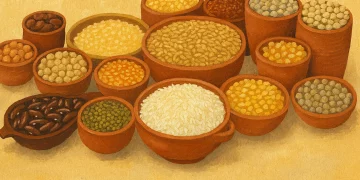
Second, food preservation helps maintain biodiversity. Many traditional culinary practices are linked to the use of locally sourced, heirloom ingredients that are not only culturally significant but also ecologically important. The conservation of these ingredients contributes to the protection of biodiversity and the sustainability of local ecosystems. For example, ancient grain varieties like quinoa, farro, or amaranth are crucial to the food security of many regions. However, their survival often depends on maintaining traditional agricultural practices that are passed down through generations.
Third, food preservation offers economic opportunities. Heritage foods are increasingly seen as valuable commodities in the growing market for “authentic” and “sustainable” products. By promoting the heritage of food, regions can capitalize on tourism, local markets, and cultural export industries. Many countries have recognized this potential, encouraging local food production and the marketing of traditional dishes as part of national identity. In this way, food preservation can be a tool for local development, economic growth, and social cohesion.
Efforts to Protect and Promote Culinary Heritage
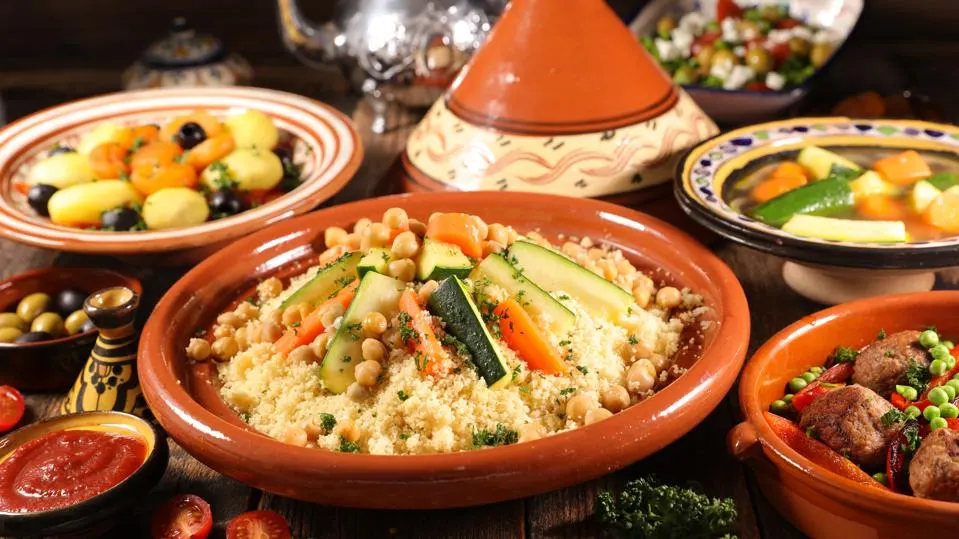
Recognizing the significance of food in cultural preservation, various initiatives and organizations have been established to protect and promote culinary heritage worldwide. One of the most notable is UNESCO’s Intangible Cultural Heritage of Humanity program, which includes a growing list of traditional foods and culinary practices deemed vital to cultural diversity. These include the Mediterranean diet, French gastronomic meal, and the traditional Mexican cuisine, which is centered on maize, beans, and chilies. These designations not only raise global awareness but also help protect these culinary practices from extinction.
Another example is the Slow Food movement, which advocates for the preservation of local food cultures and the promotion of sustainable, artisanal food production. Founded in Italy in 1986, Slow Food has since expanded globally, creating a network of local chapters dedicated to celebrating traditional food practices and combating the cultural and environmental effects of fast food and industrial agriculture.
Local initiatives also play a key role in the preservation of culinary heritage. In many regions, communities are organizing culinary festivals, workshops, and food tours to celebrate traditional dishes and to pass down the knowledge of food preparation to younger generations. These events provide an opportunity for cultural exchange and ensure that food traditions remain alive and vibrant.
Culinary Education and Knowledge Transmission
Education is one of the most effective tools in preserving culinary heritage. Culinary schools, community workshops, and family traditions all contribute to the transmission of culinary knowledge. Today, many chefs and food experts are turning to their roots, learning about indigenous cooking methods and ingredients, and passing on these skills to the next generation.
Culinary heritage education extends beyond just recipe-sharing. It includes the understanding of agricultural practices, ethical sourcing, and sustainability, all of which are integral to preserving the integrity of traditional food systems. Many chefs now incorporate this knowledge into their cooking philosophy, choosing to source ingredients from local, small-scale farmers who follow traditional, sustainable farming methods.
Furthermore, cultural exchanges through culinary tourism have become increasingly popular, enabling visitors to experience food as part of the cultural heritage of a region. These experiences are not only about tasting food; they involve understanding its history, the people behind it, and the significance it holds within the community. This type of tourism supports local economies while simultaneously fostering an appreciation for diverse culinary traditions.
Challenges in Preserving Culinary Heritage
Despite the efforts to preserve food as cultural heritage, several challenges remain. One of the primary obstacles is the loss of knowledge associated with traditional food preparation. As younger generations become more engaged with modern technologies and global trends, they may no longer see the value in learning traditional cooking methods. Additionally, the migration of people from rural to urban areas and the shift toward urbanization have led to the displacement of traditional farming and food practices.
Another challenge is the commercialization of heritage foods. While promoting traditional dishes as part of a nation’s cultural identity can generate economic opportunities, it can also lead to the exploitation of cultural practices. In some cases, commercialization dilutes the authenticity of traditional dishes, turning them into mass-produced items that are disconnected from their cultural roots. It is essential to find a balance between economic development and cultural preservation to ensure that food remains a genuine expression of heritage.
Conclusion: Food as a Living Heritage
Food, in its many forms, is an indispensable part of human culture and history. As a dynamic, living heritage, it transcends the simple act of nourishment and serves as a vessel for cultural identity, historical continuity, and social connection. The preservation of culinary traditions ensures that the flavors, techniques, and stories of the past continue to shape the future. While the challenges of globalization and modernity are real, they can be mitigated through concerted efforts to safeguard traditional food practices, foster cultural education, and promote sustainable food systems.
Ultimately, food as cultural heritage represents much more than what is on our plates. It is a reflection of who we are, where we come from, and how we relate to the world around us. By preserving the foods of our ancestors, we not only keep history alive but also provide future generations with the tools to understand, appreciate, and celebrate their cultural identity in an increasingly interconnected world.