









Introduction
In recent years, the relationship between diet and health has become a central focus in both public discourse and scientific research. No longer are foods merely viewed as sources of energy or sustenance; they are increasingly recognized for their bioactive compounds, disease-preventing properties, and potential to enhance overall well-being. A surge in food research and experimental studies has revealed that specific ingredients, long considered ordinary, possess hidden health-promoting qualities that can profoundly impact physical and mental health.
This article explores the emerging scientific evidence behind these discoveries, examining how particular foods contribute to immune function, metabolic health, antioxidant activity, and even cognitive performance. We will also discuss the methods used in modern nutritional research, the implications for diet and public health, and the future potential of functional foods in preventive medicine.
I. The Science of Hidden Health Benefits in Food
1.1 Bioactive Compounds: Beyond Basic Nutrition
Traditionally, the nutritional value of food has been measured by its macronutrient content—proteins, fats, carbohydrates—and its micronutrients, such as vitamins and minerals. However, contemporary research highlights the presence of bioactive compounds, which are chemical constituents in food that provide health benefits beyond basic nutrition.
These include:
- Polyphenols: Found in fruits, vegetables, tea, and wine, polyphenols exhibit strong antioxidant properties that protect against oxidative stress and inflammation.
- Flavonoids: These plant-derived compounds support cardiovascular health and may reduce the risk of chronic diseases such as diabetes and certain cancers.
- Carotenoids: Responsible for vibrant colors in vegetables and fruits (like carrots and tomatoes), carotenoids support eye health and immune function.
- Phytosterols: Naturally occurring in nuts, seeds, and legumes, these compounds help lower cholesterol and improve heart health.
The recognition of these bioactive compounds has shifted the focus from simply counting calories to understanding the functional effects of food components on cellular processes, immunity, and metabolic pathways.
1.2 Advanced Research Techniques in Food Science
Modern food research employs sophisticated techniques to uncover these hidden benefits:
- Metabolomics: The study of metabolites in food and the human body allows researchers to track how specific compounds interact with metabolism and affect health outcomes.
- Nutrigenomics: This emerging field examines how food influences gene expression, enabling personalized dietary recommendations based on genetic profiles.
- Clinical Trials: Randomized controlled trials are conducted to test the effects of specific ingredients or dietary patterns on measurable health outcomes, such as inflammation, blood sugar levels, or cardiovascular markers.
These experimental methods allow scientists to move beyond theoretical benefits to evidence-based conclusions about the impact of individual foods on health.
II. Superfoods and Their Documented Health Impacts
2.1 Ancient Grains and Seeds
Ancient grains such as quinoa, amaranth, and farro have gained global popularity due to their dense nutrient profiles. Research has shown that these grains:
- Provide high-quality plant-based protein, essential amino acids, and dietary fiber.
- Contain antioxidants that reduce inflammation and oxidative stress.
- Support healthy digestion and cardiovascular health by regulating cholesterol and blood sugar levels.
Seeds such as chia, flax, and hemp are also celebrated for their omega-3 fatty acids, which support heart and brain health. Experimental studies indicate that regular consumption of these seeds can improve lipid profiles, reduce inflammatory markers, and enhance cognitive function.
2.2 Fermented Foods and Gut Health
The gut microbiome is increasingly recognized as a central player in human health, influencing digestion, immunity, and even mental well-being. Fermented foods like kimchi, sauerkraut, miso, and yogurt are rich in probiotics—beneficial bacteria that promote a healthy gut environment.
Recent studies have revealed that:
- Probiotic-rich foods can enhance immune response and reduce susceptibility to infections.
- Fermented foods contribute to the production of short-chain fatty acids (SCFAs), which reduce inflammation and support colon health.
- Certain fermented ingredients may improve mood and cognitive function via the gut-brain axis.
These findings demonstrate that traditional preparation methods often preserve or even enhance the hidden health-promoting compounds in foods.
2.3 Exotic and Functional Ingredients
Global culinary exploration has introduced health-conscious consumers to ingredients like turmeric, matcha, spirulina, and maca root, each with remarkable bioactive properties:
- Turmeric (curcumin): Exhibits anti-inflammatory, antioxidant, and anticancer properties. Clinical studies suggest potential benefits in managing arthritis, metabolic syndrome, and certain neurological disorders.
- Matcha and Green Tea Polyphenols: Associated with improved cardiovascular health, cognitive function, and weight management.
- Spirulina: A nutrient-dense algae rich in protein, vitamins, minerals, and antioxidants, known to support immune function and reduce oxidative stress.
- Maca Root: Traditionally used for energy and hormonal balance, emerging research supports its role in enhancing stamina, fertility, and mood.
By identifying the biochemical pathways through which these ingredients act, scientists are uncovering the mechanistic basis for their health benefits.

III. Health Outcomes Linked to Specific Ingredients
3.1 Cardiovascular Health
Research consistently demonstrates that certain foods have protective effects on heart health:
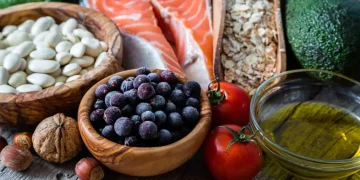
- Nuts and seeds (almonds, walnuts, flax) are associated with lower LDL cholesterol and reduced risk of heart disease.
- Berries (blueberries, strawberries) improve endothelial function and reduce oxidative damage to blood vessels.
- Whole grains reduce the risk of hypertension and metabolic syndrome.
3.2 Cognitive and Mental Health
Dietary patterns rich in bioactive compounds support brain health:
- Omega-3 fatty acids from chia, flax, and walnuts enhance memory and cognitive performance.
- Polyphenol-rich foods like dark chocolate and green tea have been linked to improved attention, learning, and mood regulation.
- Fermented foods may reduce anxiety and depression by modulating the gut-brain axis.
3.3 Immune Function and Inflammation
Chronic inflammation is a root cause of many modern diseases, and specific foods have been shown to modulate immune responses:
- Curcumin (turmeric) and gingerols (ginger) have potent anti-inflammatory effects.
- Garlic enhances immune cell activity and exhibits antimicrobial properties.
- Citrus fruits supply vitamin C and flavonoids that enhance innate immunity.
These functional ingredients can be integrated into diets to reduce risk factors for chronic diseases, improve resilience to infections, and support overall health.
IV. Implications for Modern Diets and Public Health
4.1 Personalized Nutrition
As research uncovers the nuanced effects of individual ingredients on health, the concept of personalized nutrition is gaining traction. Nutrigenomic studies allow diets to be tailored to individual genetic profiles, maximizing the benefits of bioactive compounds. This represents a significant shift from the traditional “one-size-fits-all” dietary guidelines toward precision nutrition.
4.2 Functional Foods in Preventive Healthcare
Functional foods—those that provide health benefits beyond basic nutrition—are increasingly integrated into public health strategies. By emphasizing preventive nutrition, researchers and healthcare providers aim to reduce the incidence of chronic diseases, enhance longevity, and improve quality of life.
4.3 Culinary Innovation Meets Science
Chefs and food innovators are also leveraging scientific insights to create culinary experiences that promote health. Restaurants are incorporating superfoods, fermented ingredients, and nutrient-dense components into gourmet dishes, merging gastronomy with wellness. Functional foods are no longer confined to supplements—they are entering mainstream culinary culture.
V. Challenges and Future Directions
Despite the promising findings, several challenges remain:
- Bioavailability: Many bioactive compounds are poorly absorbed or metabolized differently across individuals.
- Dose and Efficacy: Optimal intake levels for maximum health benefit are still under investigation.
- Long-term Research: While short-term studies abound, more long-term clinical trials are needed to confirm sustained benefits.
Future research is likely to focus on:
- Synergistic effects of multiple ingredients.
- Personalized functional diets using AI-driven dietary recommendations.
- Integration of food science, biotechnology, and culinary arts to create health-promoting, enjoyable meals.
Conclusion
The expanding body of food research is revealing the hidden health power of specific ingredients, reshaping our understanding of nutrition and wellness. From ancient grains and seeds to exotic superfoods and fermented products, these ingredients are more than just components of our diet—they are tools for disease prevention, cognitive enhancement, and overall vitality.
As science continues to uncover the mechanisms behind these benefits, consumers, chefs, and healthcare professionals alike can harness these discoveries to design smarter diets and functional culinary experiences. The intersection of research, innovation, and tradition is guiding us toward a future where food is celebrated not only for its taste but also for its profound impact on human health.