









Introduction
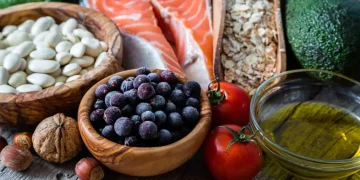
The increasing focus on health-conscious living, sustainability, and ethical eating has led to the widespread adoption of plant-based foods. Among the most popular and nutritionally valuable ingredients in this movement are nuts, seeds, and plant-based milks. These foods have not only become staples in vegan and vegetarian diets, but have also found their way into mainstream eating habits. With an increasing number of people opting for dairy-free, gluten-free, or plant-based diets, these ingredients are playing an increasingly central role in daily nutrition.
Over the past decade, plant-based alternatives like almond milk, oat milk, chia seeds, and walnuts have gone from niche products to essential components of everyday meals. This article explores the growing trend of integrating nuts, seeds, and plant-based milks into modern diets, highlighting their nutritional benefits, culinary versatility, and role in supporting sustainable eating practices.
I. The Rise of Plant-Based Diets and Their Benefits
1.1. The Global Shift Toward Plant-Based Eating
The shift toward plant-based diets has gained significant momentum in recent years, influenced by a combination of factors, including health benefits, environmental concerns, and animal welfare. According to recent reports, the global market for plant-based food products is projected to continue growing rapidly, fueled by consumer awareness and demand for healthier, more sustainable food options.
A plant-based diet emphasizes whole, plant-derived foods like vegetables, fruits, whole grains, legumes, nuts, seeds, and plant-based oils. While many people still consume animal products, there has been a dramatic rise in the consumption of plant-based alternatives, such as milk substitutes, vegan cheeses, and meat analogs made from soy, peas, or other legumes.
Some key benefits of plant-based eating include:
- Improved heart health: Plant-based diets have been linked to lower cholesterol levels, reduced risk of heart disease, and improved blood pressure.
- Weight management: Studies suggest that those who follow plant-based diets tend to have lower body mass indexes (BMI) compared to those who eat animal-based products.
- Diabetes prevention: There is evidence showing that plant-based diets can help lower blood sugar levels and reduce the risk of type 2 diabetes.
As a result of these health benefits, many individuals are increasingly adopting plant-based alternatives to enhance their overall well-being.
II. Nuts and Seeds: The Powerhouses of Plant-Based Nutrition
2.1. Nutritional Benefits of Nuts and Seeds
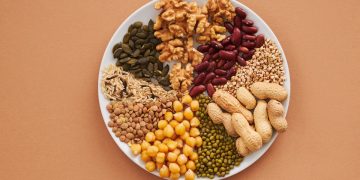
Nuts and seeds have long been celebrated for their high nutritional value. Packed with healthy fats, protein, fiber, vitamins, and minerals, they are an excellent source of energy and essential nutrients. Nuts and seeds have earned a reputation as superfoods due to their impressive nutrient profiles and health-promoting properties.
Some of the key benefits of nuts and seeds include:
- Heart health: Nuts, such as almonds, walnuts, and hazelnuts, are rich in unsaturated fats, particularly omega-3 fatty acids, which are essential for maintaining healthy cholesterol levels and reducing the risk of heart disease. Similarly, seeds like flaxseeds and chia seeds are also packed with omega-3s and fiber, supporting cardiovascular health.
- Protein source: Nuts and seeds are excellent sources of plant-based protein. For example, almonds contain around 6 grams of protein per ounce, while pumpkin seeds offer 8 grams per ounce. These plant proteins make nuts and seeds an ideal food for vegetarians and vegans who seek non-animal sources of protein.
- Rich in antioxidants: Many nuts and seeds, including pecans, walnuts, and sunflower seeds, are rich in antioxidants such as vitamin E and selenium, which help protect cells from oxidative stress and inflammation.
- Weight management: Despite being high in calories, nuts and seeds can help with weight control due to their high fiber and protein content, which promote satiety and reduce overall calorie intake.
- Bone health: Certain nuts, like almonds and brazil nuts, are also high in calcium and magnesium, essential minerals for maintaining strong and healthy bones.
Nuts and seeds are highly versatile and can be easily incorporated into everyday meals. Whether eaten raw, roasted, blended into smoothies, or used in baking, they offer a range of culinary applications that enhance the flavor, texture, and nutritional content of dishes.
2.2. Popular Nuts and Seeds in Modern Diets
- Almonds: Almonds are among the most popular nuts and are often consumed as snacks, added to smoothies, or used as plant-based milk. They are also found in various desserts and baked goods.
- Walnuts: Walnuts are rich in omega-3 fatty acids and are often used in salads, baked goods, and granola. They are also a great addition to smoothies and plant-based milk alternatives.
- Chia Seeds: Chia seeds are packed with fiber and omega-3 fatty acids. They are often used in smoothies, overnight oats, puddings, and as egg replacements in vegan baking.
- Flaxseeds: Like chia seeds, flaxseeds are high in omega-3s and fiber. They can be added to smoothies, baked goods, or sprinkled on salads.
- Pumpkin Seeds: Rich in magnesium, iron, and zinc, pumpkin seeds are perfect for snacking or adding to dishes like soups, salads, and granola.
- Hemp Seeds: Known for their protein content and rich array of essential fatty acids, hemp seeds are commonly sprinkled on salads or blended into smoothies.
Incorporating a variety of these nutrient-dense seeds and nuts into your diet is an easy way to enhance your meals with added nutritional benefits.

III. Plant-Based Milks: A Dairy-Free Revolution
3.1. The Popularity of Plant-Based Milks
Over the past decade, plant-based milks have surged in popularity, with a variety of options now available in supermarkets worldwide. These dairy alternatives cater not only to those with lactose intolerance or milk allergies but also to the growing number of consumers who are adopting plant-based or vegan diets.
Plant-based milks are made from a variety of sources, including almonds, oats, coconut, soy, rice, and cashews. Unlike traditional dairy milk, which is derived from animals, plant-based milks offer a cruelty-free, sustainable, and more digestible alternative. They are also often fortified with additional vitamins and minerals, such as calcium, vitamin D, and vitamin B12, to mimic the nutritional profile of cow’s milk.
Some of the most popular plant-based milks include:
- Almond Milk: Almond milk is one of the most widely consumed plant-based milks. It is made by blending almonds with water and then straining the mixture. Almond milk is low in calories, rich in vitamin E, and often fortified with calcium and vitamin D.
- Oat Milk: Oat milk has grown rapidly in popularity due to its creamy texture and natural sweetness. Made from oats and water, it is a great dairy-free alternative for coffee, smoothies, and baking.
- Soy Milk: Soy milk is one of the earliest plant-based milks and remains a favorite for its protein content, similar to that of cow’s milk. It is made from ground soybeans and is often fortified with calcium and vitamin B12.
- Coconut Milk: Coconut milk has a rich, creamy texture and is often used in cooking, particularly in Asian and Indian cuisines. It is made by blending the flesh of coconuts with water.
- Rice Milk: Rice milk is one of the mildest and most naturally sweet plant-based milks. It is a good option for those with nut or soy allergies, although it is lower in protein than other plant-based milks.
3.2. Nutritional Benefits of Plant-Based Milks
- Low in Calories: Most plant-based milks, such as almond and oat milk, are low in calories compared to whole cow’s milk, making them a great option for people who are watching their calorie intake.
- Lactose-Free: Plant-based milks are naturally lactose-free, making them suitable for individuals with lactose intolerance or those avoiding dairy for ethical or health reasons.
- Rich in Essential Nutrients: Many plant-based milks are fortified with vitamins and minerals, such as calcium, vitamin D, and vitamin B12, which are important for bone health and overall well-being.
IV. Nuts, Seeds, and Plant-Based Milks in the Modern Kitchen
4.1. Incorporating These Ingredients into Your Diet
The integration of nuts, seeds, and plant-based milks into everyday diets is not only beneficial for health but also offers countless possibilities for culinary creativity. Here are some ideas for incorporating these ingredients into daily meals:
- Smoothies: Combine plant-based milks with nuts, seeds, and fresh fruits to create a nutrient-packed smoothie. For added protein, include a spoonful of peanut butter, almond butter, or hemp seeds.
- Baking: Use nut butters, almond milk, or flaxseeds in baked goods like muffins, cookies, and cakes for added moisture and nutrition.
- Breakfast: Add chia seeds or flaxseeds to overnight oats, or pour almond milk over your favorite cereal. You can also make a chia pudding using coconut milk.
- Salads: Use pumpkin seeds, sunflower seeds, or walnuts as crunchy toppings for salads.
- Cooking: Use oat milk or soy milk as a substitute for cream in soups, curries, and sauces for a creamy texture without the dairy.
By creatively incorporating these ingredients into your meals, you can enjoy a diverse and nutritious diet while benefiting from the many health benefits these foods offer.
Conclusion
The integration of nuts, seeds, and plant-based milks into modern diets has revolutionized the way we approach nutrition and meal planning. These plant-based ingredients not only provide essential nutrients but also offer a wealth of culinary possibilities that make healthy eating both delicious and enjoyable. As more people turn to plant-based alternatives for health, ethical, and environmental reasons, these foods will continue to grow in popularity, contributing to a more sustainable, nutritious, and conscious food system for the future.