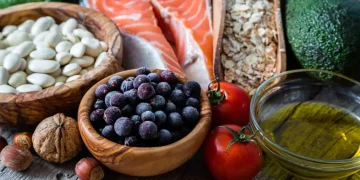










Introduction: The Emergence of Superfoods in Global Diets
In recent years, superfoods have become a buzzword in the health and wellness industry, with these nutrient-dense foods being celebrated for their ability to improve overall health, boost energy, and even prevent chronic diseases. From goji berries and acai to chia seeds and kale, these foods have captured the attention of health-conscious consumers across the globe.
But what exactly are superfoods, and why have they gained such popularity? The term “superfood” refers to natural foods that are rich in nutrients, antioxidants, vitamins, and minerals, making them highly beneficial to human health. While the specific definition can vary, these foods are generally recognized for their high nutritional content relative to their calorie count.
Historically, many superfoods were only known to specific cultures, often linked to the regions where they were grown or cultivated. However, the process of globalization—which has brought people, cultures, and ideas closer together—has led to the international spread of these foods, making them accessible to a global audience.
This article explores how superfoods have become a global phenomenon, examining the forces driving their popularity, the cultural significance of these foods, and their role in the evolving global diet. We will look at the nutritional and health benefits of popular superfoods, as well as their environmental and ethical implications as they enter new markets around the world.
1. The Rise of Superfoods: A Historical and Cultural Context
A. Origins and Early Use of Superfoods
Many of the superfoods that have become popular in the modern era have deep roots in traditional diets. Ancient civilizations relied on nutrient-dense foods for their health benefits, often using them in medicinal or ritualistic contexts. For instance:
- Quinoa: This grain was considered the “mother of all grains” by the Inca civilization and has long been used in the Andes for both nutritional and cultural reasons.
- Moringa: Native to India, this “miracle tree” has been used for centuries in Ayurvedic medicine for its supposed healing properties.
- Chia Seeds: Historically grown by the Aztecs and Mayans, chia seeds were valued for their ability to provide long-lasting energy.
These foods were integral to the diets of their native regions, valued not only for their taste but also for their health benefits.
B. The Role of Globalization in the Popularization of Superfoods
The globalization of food can be traced back to the expansion of international trade and migration, which brought new foods and ingredients to different parts of the world. However, it was only in the past few decades that superfoods began to emerge as a global trend. As people from different cultures began to travel more freely and share culinary practices, foods once limited to specific regions became available on a global scale.
This cross-cultural exchange of foods was accelerated by several factors:
- The rise of social media and food bloggers: Platforms like Instagram, YouTube, and food blogs have given health-conscious consumers direct access to information about superfoods from all over the world.
- International shipping and trade: As the demand for exotic and nutrient-dense foods grew, companies began to import and distribute these products worldwide.
- Health and wellness trends: The increasing popularity of plant-based diets, veganism, and clean eating led to an interest in foods that were both highly nutritious and minimally processed.
Thus, superfoods transitioned from being niche, regional ingredients to widely available products, sparking a new era in global diets.
2. Popular Superfoods: The Global Staples of Health
A. Acai and Other Berry Superfoods
Acai berries, native to the Amazon rainforest, became a symbol of the superfood trend. These deep purple berries are rich in antioxidants, fiber, and heart-healthy fats, making them a powerful addition to smoothies and bowls. The acai bowl became popular worldwide, particularly in North America and Australia, where it is often served as a refreshing breakfast or post-workout meal.
Other berries, such as goji berries and blueberries, have also gained significant global traction. Rich in vitamin C, antioxidants, and fiber, these berries are promoted for their anti-aging properties and their ability to protect the body from oxidative stress.
B. Chia Seeds: A Tiny Powerhouse of Nutrition
Chia seeds, derived from the plant Salvia hispanica, are a staple of Central American cuisine but have become a beloved superfood across the globe. These tiny seeds are rich in omega-3 fatty acids, fiber, and protein, offering a range of health benefits. Chia has been praised for its ability to promote digestive health, stabilize blood sugar levels, and support heart health.
As the demand for plant-based protein sources grows, chia seeds have become a key ingredient in everything from smoothies to baked goods, snacks, and even energy bars.
C. Turmeric: The Spice of Wellness
Turmeric, a bright yellow spice, is widely used in Indian cuisine and has been a cornerstone of Ayurvedic medicine for thousands of years. Its key compound, curcumin, is believed to have powerful anti-inflammatory, antioxidant, and antimicrobial properties. The global popularity of turmeric surged in recent years, driven by its purported benefits for conditions such as arthritis, heart disease, and even cancer.
Turmeric has found its way into a wide range of global dishes, from lattes (often referred to as “golden milk”) to smoothies, soups, and curries. It is also a key ingredient in wellness supplements, boosting its status as one of the most popular superfoods worldwide.
D. Moringa: The “Miracle Tree”
Moringa oleifera is a plant native to India and parts of Africa, often referred to as the “miracle tree” for its impressive nutritional profile. Moringa leaves are packed with vitamins (A, C, and E), minerals (iron, calcium), and protein, making it an excellent supplement for those seeking a plant-based source of nutrients.
Moringa has made its way into smoothies, teas, powders, and energy bars. Its rise in popularity can be attributed to its powerful health benefits, including boosting energy levels, supporting immune function, and promoting healthy skin.

3. The Health Benefits and Nutritional Value of Superfoods
A. Superfoods and Their Role in Preventing Chronic Diseases
One of the primary reasons superfoods have garnered attention is their role in preventing chronic diseases. Many superfoods are rich in antioxidants, which help protect the body from oxidative stress and inflammation—two key factors in the development of conditions like heart disease, diabetes, and cancer.
For example, the high levels of polyphenols in foods like blueberries and dark chocolate can help reduce inflammation and improve cardiovascular health. Similarly, turmeric’s anti-inflammatory properties have been linked to improved joint health and a reduction in the risk of chronic conditions like osteoarthritis.
B. Supporting Gut Health and Digestion
Another area where superfoods excel is gut health. Many superfoods are rich in fiber and prebiotics, which are essential for maintaining a healthy gut microbiome. Foods like chia seeds, acai berries, and quinoa help promote healthy digestion, reduce bloating, and enhance nutrient absorption.
Fermented superfoods like kimchi, sauerkraut, and kombucha are also gaining popularity due to their role in supporting the gut microbiome, which in turn can influence everything from immune function to mental health.
C. Boosting Energy and Cognitive Function
Superfoods also contribute to mental clarity and energy levels. Ingredients like matcha (a powdered green tea), spirulina, and acai are packed with antioxidants and adaptogens—substances that help the body respond to stress and support cognitive function. Consuming these superfoods can help improve focus, memory, and overall mental performance.
4. The Environmental and Ethical Impact of Superfoods
A. Sustainability and Sourcing Practices
As superfoods have entered global markets, concerns about their environmental and ethical implications have emerged. While these foods offer many health benefits, their production and transportation can have significant environmental impacts. The global demand for certain superfoods has led to the over-exploitation of natural resources, deforestation, and unsustainable farming practices in some regions.
For example, the mass cultivation of acai berries in Brazil has raised concerns about the environmental degradation of the Amazon rainforest, while the rapid growth of the quinoa market has driven up prices, making it less accessible to local communities in Bolivia and Peru.
In response to these concerns, many superfood brands are now focusing on ethical sourcing and sustainability. By supporting small-scale farmers, using fair-trade practices, and prioritizing environmentally friendly cultivation methods, these brands aim to balance the benefits of superfoods with a commitment to social and environmental responsibility.
B. Supporting Local Economies and Indigenous Communities
Many superfoods, such as moringa and acai, are grown in regions where they have been integral to local diets and cultures for centuries. As these foods gain popularity, they present an opportunity to support local economies and indigenous communities by providing fair wages and access to global markets.
For example, small-scale acai farmers in the Amazon are benefiting from the global demand for the berry, and the same is true for moringa farmers in India. By supporting these communities, superfood consumption can help to improve livelihoods and preserve traditional farming practices.
5. The Future of Superfoods: Trends and Innovations
A. The Rise of Functional Foods and Personalized Nutrition
The next frontier for superfoods lies in their integration into functional foods and personalized nutrition. As people become more health-conscious and more attuned to their individual needs, there is a growing interest in tailored diets that incorporate specific superfoods to address individual health concerns, such as heart disease, gut health, or mental clarity.
We can expect to see more superfood-infused products, including snacks, beverages, and supplements, designed to address specific nutritional needs.
B. Local Superfoods and the Quest for New Ingredients
As the popularity of superfoods continues to grow, there is an increasing demand for local superfoods that are unique to different regions. Consumers are becoming more interested in discovering local alternatives to well-known superfoods, such as teff (an Ethiopian grain) and maca root (native to Peru), which offer similar health benefits while supporting regional agricultural practices.
This trend will likely lead to the discovery of new superfoods that are not only nutritious but also culturally significant, providing new opportunities for global food systems and sustainable agricultural practices.
Conclusion: The Global Superfood Phenomenon
The globalization of superfoods has transformed global diets, offering consumers access to nutrient-rich ingredients that promote health and well-being. As superfoods continue to spread across cultures, they represent not only a dietary revolution but also a shift in how we view health, nutrition, and sustainability.
While their popularity presents opportunities for economic growth and improved health outcomes, it also calls for responsible sourcing and ethical consumption practices. Moving forward, the continued rise of superfoods will depend on balancing the health benefits with sustainability, ensuring that this global phenomenon has a positive impact on both individuals and the planet.
As the demand for these nutrient-dense foods continues to grow, it’s clear that superfoods are not just a passing trend—they are an integral part of a larger movement toward a healthier, more sustainable global food system.