









Introduction: The Global Food Supply Chain and Its Impact on Global Culinary Trends
The global food supply chain has fundamentally transformed how food is produced, distributed, and consumed across the globe. From the farm to the table, the flow of ingredients, products, and ideas is no longer confined by borders. With innovations in transportation, technology, and trade agreements, we have seen a dramatic shift in the accessibility of foods from all corners of the world. As a result, this interconnectedness has not only changed the economics of food production but has also reshaped the global culinary landscape, influencing both what we eat and how we experience food.
This article explores the profound influence of the global food supply chain on food production, consumption habits, and the evolution of global culinary trends. By examining key elements such as global sourcing, cultural exchange, and sustainability, we gain insights into how food has become a powerful vehicle for cross-cultural interaction and culinary experimentation. From ethnic cuisines gaining global prominence to the rise of plant-based eating and sustainable agriculture, the global supply chain has reshaped food in ways we are only beginning to fully understand.
1. The Evolution of the Global Food Supply Chain
A. From Local to Global: The Transformation of Food Systems
Historically, food production and consumption were deeply tied to local ecosystems. People ate what they grew or sourced locally, and food was seen as a product of the immediate environment. However, the industrial revolution marked the beginning of a globalized food system, where technological advancements in transportation, refrigeration, and packaging allowed for the mass production and distribution of food products across vast distances.
In the mid-20th century, with the rise of global trade agreements, international supply chains, and the expansion of multinational corporations, food became increasingly globalized. Ingredients and finished products from far-flung regions were no longer just a luxury for the wealthy; they became widely accessible to the masses. Today, mangoes from Mexico, coffee from Brazil, spices from India, and cocoa from West Africa are common sights in supermarkets around the world.
This shift in food production and distribution has also led to the growth of food processing industries, where local traditions are often modified to suit global demands. Convenience foods, ready-to-eat meals, and global fast-food chains have spread across continents, influencing food choices and cultural preferences in unprecedented ways.
B. Supply Chain Innovations: The Role of Technology in Global Food Movement
One of the driving forces behind the modern food supply chain is technology. Advances in logistics, packaging, and data analysis have made it possible to manage complex global food networks efficiently and cost-effectively.
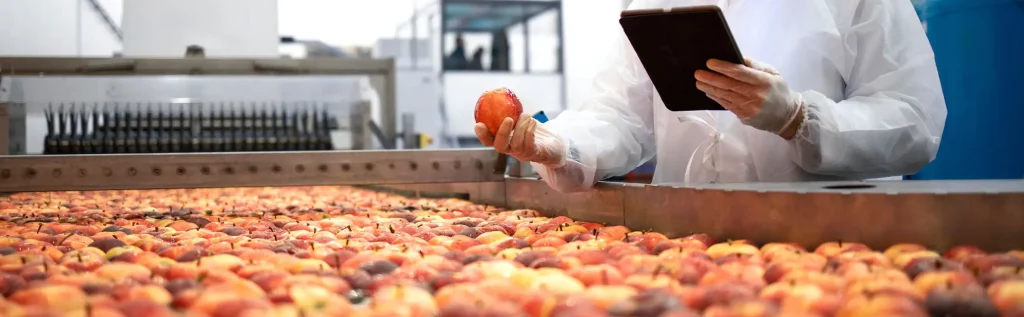
- Cold Chain Logistics: The development of cold chain logistics has revolutionized the transport of perishable goods such as fruits, vegetables, meats, and dairy products. This has allowed for the global movement of foods that were once limited to specific regions. For example, fresh seafood can now be flown from Japan to the U.S. or Europe within hours, preserving its freshness.
- Blockchain Technology: Blockchain has emerged as a powerful tool in ensuring traceability and food safety across global supply chains. Consumers can now track the origins of their food, providing greater transparency and fostering trust in the food system.
- Big Data & AI: Big data and artificial intelligence (AI) have also played a critical role in optimizing the efficiency of food production and supply. Predictive analytics help companies forecast demand and manage inventories, minimizing waste and ensuring that food reaches consumers in the right quantities at the right time.
These technological advances not only improve food production but also enable global cultural exchanges through food. Ingredients that were once considered exotic or niche are now widely available, allowing people around the world to experiment with new culinary traditions.
2. Impact on Food Consumption and Dietary Habits
A. Globalization of Cuisines
One of the most visible consequences of the global food supply chain is the globalization of cuisines. Foods once specific to certain regions have now become global phenomena, reflecting the interconnectivity of our modern world.
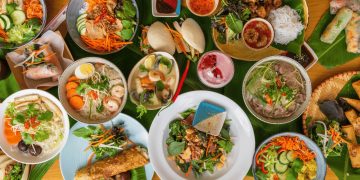
- Asian Cuisine: Dishes like sushi, ramen, and dim sum have found a loyal following in Western countries, while Indian curries and Chinese stir-fries have become household staples. These once-regional specialties have transcended their cultural boundaries, influencing food culture worldwide.
- Latin American Flavors: Mexican cuisine, with its emphasis on corn, chiles, and beans, has gained international popularity, as evidenced by the growth of Mexican restaurants and the popularity of guacamole and tacos across the globe. Similarly, Brazilian churrasco and Peruvian ceviche are becoming increasingly common on restaurant menus.
- Middle Eastern and Mediterranean Influence: The Mediterranean diet—rich in olive oil, grains, vegetables, and lean meats—has also gained widespread acclaim for its health benefits. Hummus, falafel, tabbouleh, and baklava are now enjoyed globally, influencing not only how people eat but also how they approach healthy eating.
The availability of ingredients and cooking tools from around the world has enabled fusion cuisine to thrive. Chefs are combining traditional techniques and ingredients from multiple cultures, creating entirely new dishes that reflect the melting pot of global culinary traditions.
B. Changing Eating Habits: The Rise of Plant-Based and Alternative Diets
The global supply chain has also played a key role in the rise of plant-based eating and the shift toward more sustainable food choices. The growing availability of plant-based products, including plant-based meats (such as Beyond Meat and Impossible Foods), dairy alternatives like oat milk and almond milk, and sustainable superfoods like quinoa and chia seeds, has been fueled by innovations in food production and distribution.
This change is driven not only by health-conscious consumers but also by growing environmental concerns. The environmental impact of meat production, including deforestation, water usage, and greenhouse gas emissions, has spurred interest in alternative protein sources. With the global food supply chain making these plant-based alternatives widely available, they have gained traction in diverse markets.
Additionally, the global rise of vegetarian and veganism is also a result of more accessible ingredients, recipes, and food options. As consumers look for healthier, ethical, and eco-friendly food choices, global food trends have shifted away from animal-based products toward more plant-centric diets.
3. The Cultural Implications of Global Food Flow
A. Food as a Vehicle for Cultural Exchange
Food is one of the most powerful ways in which cultures interact, and the global supply chain has opened up a broader space for cultural exchange. As ingredients from different parts of the world become more accessible, so too do the stories and traditions tied to them.
Cultural exchange through food has not only changed the way people cook and eat but also how they relate to other cultures. Ethnic restaurants and food festivals serve as spaces where people can connect with new cuisines and explore unfamiliar flavors. The growing interest in ethnic ingredients like sriracha, kimchi, and miso paste reflects this global curiosity and celebration of diversity.
At the same time, the flow of food across borders has sometimes led to cultural appropriation, with traditional dishes and ingredients being reinterpreted or commercialized in ways that may not always respect their cultural significance. This raises important questions about food identity, authenticity, and the ethical implications of consuming and profiting from other cultures’ culinary traditions.
4. Sustainability and Ethics in Global Food Systems
A. Environmental and Ethical Concerns
While the global food supply chain has brought many benefits, it has also raised significant concerns about sustainability and food security. The long-distance transport of food contributes to carbon emissions and environmental degradation. The industrialization of food production in certain regions has led to the depletion of natural resources and the overuse of pesticides and fertilizers.
In response to these challenges, there has been a growing movement toward sustainable agriculture, local sourcing, and food sovereignty. Consumers are increasingly seeking out foods that are ethically produced, locally sourced, and environmentally friendly. This shift has led to the rise of organic farming, fair trade practices, and eco-conscious food brands that prioritize environmental sustainability over mass production.
B. The Future of the Global Food Supply Chain
Looking ahead, the global food supply chain will continue to evolve as new technologies, environmental concerns, and consumer demands reshape the way food is produced and distributed. Alternative proteins, lab-grown meat, and vertical farming are just a few of the innovations that promise to address food security and sustainability challenges. At the same time, a deeper understanding of food systems will help address the social and environmental impacts of the global food trade.
Conclusion: The Interconnectedness of Global Food Culture
The global supply chain has revolutionized the way we produce, distribute, and consume food. It has fostered a unique era of cultural exchange, bringing together ingredients, flavors, and cooking techniques from around the world. As global tastes become more diverse and interconnected, the future of food promises to be a rich tapestry of cultures, sustainability, and culinary innovation.
Through this interconnected food system, the possibilities for culinary exploration are endless, offering consumers access to an increasingly broad array of flavors, products, and dining experiences. At the same time, this dynamic transformation raises important questions about how we will balance convenience, sustainability, and authenticity in an increasingly globalized food world.