









Introduction: The Evolution of Plant-Based Cuisine
In recent years, plant-based cuisine has emerged not only as a dietary choice but also as a dynamic culinary movement that pushes the boundaries of creativity and innovation. Once associated primarily with health-conscious diets and sustainability, plant-based cooking has evolved into a sophisticated culinary form that emphasizes not just nutrition but also aesthetics, textures, and the deep exploration of flavor. This modern approach to plant-based cooking goes beyond simple vegan or vegetarian meals; it is a celebration of plant ingredients in all their forms, presenting them in ways that are visually striking, texturally complex, and bursting with complex flavors.
At the heart of this evolution is a focus on visual artistry, texture reconstruction, and deep flavor development—three pillars that define the most innovative and exciting trends in plant-based cuisine. By playing with the way plants look, feel, and taste, chefs are able to craft dishes that are not only nourishing but also stimulating to the senses and the soul. This article delves into these three key elements that define modern plant-based cuisine, exploring how they work together to create a new culinary paradigm that elevates plant-based foods to a level of art and refinement.
1. Visual Artistry in Plant-Based Cuisine
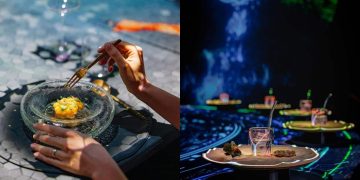
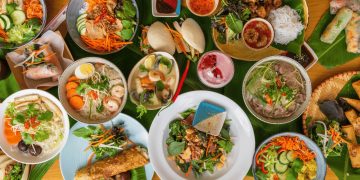
The first impression of any dish often comes from its visual appeal. For plant-based cuisine, this has become a major area of focus. Chefs and food artists are now treating their plates as canvases, using color, arrangement, and plating techniques to create visually stunning compositions. The visual aspect of plant-based cuisine serves not only to entice the diner but also to communicate a deeper connection with nature, highlighting the beauty and diversity of plant ingredients.
A Symphony of Colors and Shapes
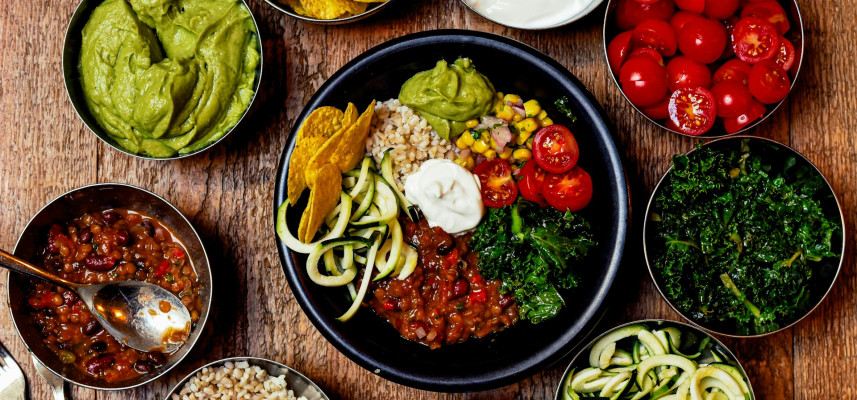
One of the most striking elements of plant-based cuisine is the vibrant color palette it offers. From the rich greens of kale, spinach, and avocado to the deep purples of beets and the bright oranges of sweet potatoes, plant-based ingredients naturally offer a spectrum of hues that can be used to create a visually striking plate. The use of these colors is not just about making food look appealing—it’s about celebrating the inherent beauty of the ingredients themselves.
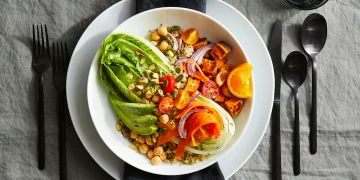
For example, the delicate yet vibrant pink of pickled radishes, the golden glow of turmeric-spiced cauliflower, or the deep green of a perfectly cooked asparagus spear can serve as the focal points of a dish. Chefs also use garnishes like microgreens, edible flowers, and raw vegetables in a variety of shapes to enhance the visual appeal, transforming a simple salad into an art piece.
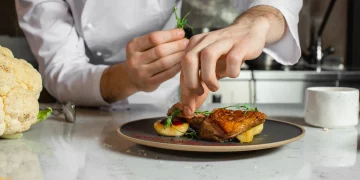
Plating in plant-based cuisine often draws inspiration from fine dining aesthetics, where the arrangement of the elements on the plate is almost as important as the food itself. The use of negative space, texture contrast, and geometric patterns can elevate a plant-based dish from an ordinary meal to an extraordinary visual experience.
Food as an Artistic Expression
Many chefs are embracing the idea that plant-based food can be more than just fuel—it can be an expression of artistry and creativity. As plant-based cuisine gains more recognition in Michelin-starred restaurants and art-focused dining establishments, plating techniques have become more sophisticated. For instance, vegetables might be smoked, charred, or roasted in specific ways to not only enhance flavor but also add visual drama to the plate. Sauces may be artfully splashed or dotted, while plant-based proteins are often arranged in sculptural forms that resemble traditional meat dishes.
This emphasis on aesthetics helps challenge preconceived notions about plant-based food, showing that it can be just as beautiful and sophisticated as any other type of cuisine. In fact, some chefs even consider the visual artistry of plant-based dishes to be just as important as their taste and nutritional value, making each plate a multi-sensory experience.
2. Texture Reconstruction: The Magic of Plant-Based Textures
Texture plays a crucial role in any culinary experience, as it influences how we perceive the taste, enjoyment, and satisfaction of food. In traditional meat-based dishes, texture is often provided by the fibrous nature of the meat, its fat content, and the cooking methods used (grilling, braising, etc.). However, in plant-based cuisine, texture becomes even more important because it requires more innovation to recreate the mouthfeel and bite of animal-based proteins.
Reconstructing Meat-Like Textures
One of the primary challenges in plant-based cooking is to replicate the texture of meat, which many diners still associate with fullness, richness, and satisfaction. Plant-based chefs have risen to this challenge with remarkable ingenuity. Through techniques like texture modification and molecular gastronomy, they have been able to create plant-based alternatives that mimic the fibrous texture of chicken, beef, or seafood.
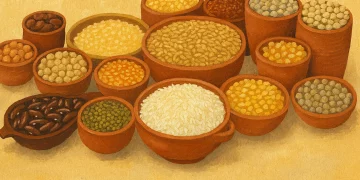
For example, jackfruit—a large tropical fruit native to Asia—has become a popular meat substitute due to its unique ability to shred into pieces that resemble pulled pork or chicken when cooked. Similarly, tofu and tempeh, both made from soybeans, are often used as plant-based protein substitutes. The texture of these products can be manipulated by adjusting the method of preparation—pressing, marinating, frying, or grilling—to achieve a satisfying bite that is both firm and tender.
Another exciting innovation in plant-based textures is seaweed. Certain types of seaweed, like agar-agar and kombu, are used to create gel-like textures that are similar to gelatin or even meat. These seaweed-based gels are often used in plant-based sushi or to mimic the texture of fish fillets, providing an experience similar to eating seafood without any of the environmental or ethical concerns.
Exploring the Role of Fermentation in Texture
Fermentation plays a pivotal role in creating complex textures in plant-based cuisine. Foods like fermented tempeh, sauerkraut, and kimchi are rich in both probiotics and texture complexity. Through fermentation, plant-based foods gain additional depth, becoming more savory, tangy, and multifaceted in flavor while also changing in texture. The transformation of vegetables, grains, and legumes during fermentation results in a unique interplay between crunchiness, chewiness, and silkiness that can add a new dimension to plant-based meals.
Plant-based chefs also experiment with techniques like sous vide and dehydration to enhance the texture of foods. For instance, cauliflower steaks, when cooked sous vide, become tender and meaty, offering a satisfying alternative to a traditional steak. Dehydrated fruits and vegetables, on the other hand, can add a delightful crispness or chewiness, making them ideal for garnishing or enhancing the mouthfeel of dishes.
3. Deep Flavor Development: Unlocking the Full Potential of Plants
While the visual and textural aspects of plant-based cuisine are important, flavor remains the most significant element in any dish. Plant-based cooking offers a unique challenge because it requires chefs to extract and intensify the natural flavors of plants—something that can sometimes be difficult to achieve when compared to the richness of animal-based proteins. However, through careful flavor development techniques, chefs are able to unlock the full potential of plant ingredients.
Layering Flavors through Cooking Techniques
Flavor development in plant-based cuisine often involves layering multiple flavors through a combination of cooking techniques. Roasting, for example, caramelizes the natural sugars in vegetables like sweet potatoes, carrots, and onions, creating a rich, complex sweetness that forms the backbone of many plant-based dishes. Grilling vegetables can impart a smoky, charred flavor that adds depth, while sautéing ingredients like garlic, ginger, and spices can create a base layer of aromatic flavors.
Fermented ingredients, such as miso, tamari, and nutritional yeast, are also commonly used to add umami, the savory taste that is often missing in plant-based diets. By incorporating fermented products into plant-based dishes, chefs are able to mimic the umami richness that is typically associated with meat, creating more satisfying and flavorful meals.
Balancing Sweet, Sour, Bitter, and Umami
A major goal in plant-based cuisine is to achieve balance between the five basic tastes: sweet, sour, salty, bitter, and umami. While the challenge of balancing bitter and earthy flavors in vegetables can be difficult, chefs are increasingly skilled at using a variety of techniques to create balance. For example, pickled vegetables add a tangy contrast to the sweetness of roasted root vegetables, while citrus zest or a splash of vinegar can brighten up the deep, savory flavors of a plant-based stew.
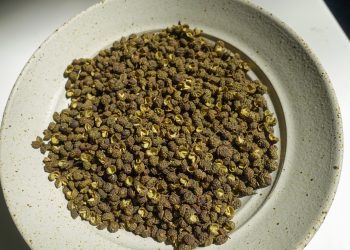
Herbs and spices, like turmeric, cumin, smoked paprika, and saffron, play an essential role in plant-based cooking by adding complexity and depth. These seasonings can turn simple plant ingredients into a full-bodied, flavorful dish.
The Role of Plant-Based Sauces and Stocks
In traditional cooking, sauces and stocks are often used to deepen the flavor of dishes. In plant-based cuisine, these same principles are applied, but with a focus on vegetable broths, nut-based creams, and plant-derived ingredients. For instance, cashew cream can be used to create velvety sauces, while coconut milk brings richness to curries and soups. Homemade vegetable stocks made from roasted or simmered vegetables, herbs, and spices offer an intense and flavorful base that elevates plant-based dishes.
4. The Future of Plant-Based Cuisine
As more people embrace plant-based diets for health, environmental, and ethical reasons, the world of plant-based cuisine continues to evolve. The combination of visual artistry, texture innovation, and deep flavor exploration has led to the creation of dishes that are not only satisfying but also exciting and transformative. The future of plant-based cooking lies in its continued ability to push the boundaries of what is possible with plant ingredients, creating meals that are as aesthetically pleasing as they are delicious.
As more chefs and home cooks embrace plant-based techniques, we can expect to see even more experimentation with textures, flavors, and presentations. The continued evolution of plant-based cuisine promises to challenge our perceptions of food, turning everyday ingredients into extraordinary culinary experiences. From fine dining establishments to home kitchens, the future of food is plant-based—and it’s a future filled with boundless creativity, rich flavors, and deep cultural significance.
Conclusion
Plant-based cuisine today is a far cry from its humble beginnings. No longer is it just about substituting meat with vegetables; it is a celebration of plants in all their forms—visually stunning, texturally innovative, and bursting with flavor. By focusing on the artistry of plating, the reconstruction of textures, and the development of deep, layered flavors, modern plant-based cooking has become a sophisticated, multi-sensory culinary experience. Whether in a five-star restaurant or a home kitchen, plant-based cuisine offers endless opportunities for creative exploration and culinary mastery, making it a truly exciting part of the food world’s future.