









Introduction: The Evolution of Fusion Cuisine
In the contemporary culinary world, the word “fusion” has evolved from a passing trend to a defining characteristic of global gastronomic innovation. Fusion cuisine, once perceived as a playful culinary experiment, is now an established and celebrated aspect of the food industry. This hybrid approach, blending elements from diverse cultural and culinary traditions, has revolutionized the way we think about food. It’s no longer just a creative exercise or a novelty; fusion has become a core principle of global culinary evolution.
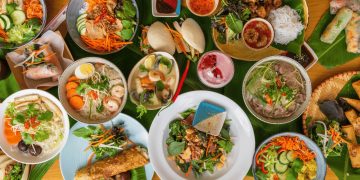
The increasing globalization of food culture, the accessibility of international ingredients, and the growing interest in cross-cultural exchange have all contributed to the rise of fusion cuisine. Chefs around the world are now blending flavors, techniques, and presentation styles from different culinary traditions, resulting in unique, innovative dishes that transcend borders and redefine the idea of a meal.
This article explores the origins of fusion cuisine, its rise in both fine dining and street food, and its role as a catalyst for culinary innovation in the modern world. From the integration of diverse flavors to the collaboration between chefs and cultures, fusion cuisine is no longer a trend—it is the heart of global cooking.
1. The Origins of Fusion Cuisine
Fusion cuisine may seem like a recent culinary movement, but its origins can be traced back centuries, when different food cultures began to intersect through trade, migration, and cultural exchange. The roots of fusion cuisine lie in the ancient spice routes, the Silk Road, and colonial expansion, which facilitated the exchange of ingredients and cooking methods across continents.
Early Cross-Cultural Influences in Cuisine
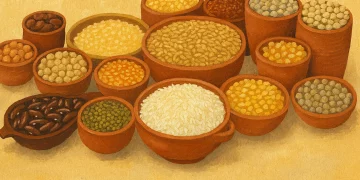
Historically, the concept of culinary fusion was born out of necessity and opportunity. The movement of goods and people between continents led to the blending of regional ingredients, techniques, and flavors. The Silk Road, which connected the East to the West, is a prime example. It allowed for the exchange of ingredients such as spices, tea, rice, and herbs, which became staples in many cultures.
Similarly, colonialism brought foreign ingredients to different parts of the world, giving rise to unique hybrids of local and imported foods. In the Caribbean, for instance, the fusion of African, Indigenous, European, and Asian cooking traditions resulted in distinct culinary traditions, such as jerk chicken and curry goat. The introduction of new crops like sugar, cacao, and various fruits by colonists transformed regional cuisines and led to the evolution of new culinary practices.
Modern Fusion Beginnings: 1980s and 1990s
Though fusion cuisine has ancient roots, its modern form emerged in the late 20th century, particularly in the United States. During the 1980s and 1990s, a growing interest in international cuisines, along with an increasingly multicultural population, set the stage for a fusion food movement. It was a time when chefs began to experiment more boldly with combining ingredients and techniques from different culinary traditions.
One of the pioneers of modern fusion cuisine was Wolfgang Puck, whose restaurant Spago in Los Angeles became famous for combining European cooking techniques with fresh, local Californian ingredients. Similarly, chefs like Roy Yamaguchi popularized Hawaiian fusion, blending Asian flavors with traditional Hawaiian dishes. The emergence of these “fusion” dishes marked the beginning of a new era of creativity in the culinary world.
2. Key Elements of Fusion Cuisine
The essence of fusion cuisine lies in its ability to combine the best elements of multiple culinary traditions. Whether through flavor pairings, cooking techniques, or ingredient substitutions, fusion cuisine takes advantage of the unique strengths of various cultures to create something innovative and exciting. Below are the key elements that define fusion cuisine.
Flavor Pairing: Creating Unique Taste Combinations
One of the defining features of fusion cuisine is the inventive blending of flavors. By combining ingredients from different cultural backgrounds, chefs can create unexpected yet harmonious flavor profiles. This could mean blending sweet and savory elements or integrating bold spices with delicate herbs. For instance, the combination of traditional Mexican ingredients like cilantro and lime with Japanese dishes such as sushi or sashimi creates a surprising but delicious twist on both cultures’ culinary traditions.
Similarly, Korean BBQ has made its way into American cuisine, with chefs pairing traditional Korean marinades and spices with American cuts of meat, such as beef short ribs. The resulting dishes are both familiar and novel, drawing on the rich flavors of Korean cuisine while adapting them to local tastes.
Technique Blending: Merging Culinary Methods
Fusion cuisine is also about blending cooking techniques. Chefs often borrow techniques from different culinary traditions to achieve new textures, presentations, and flavors. For example, French culinary methods like sous-vide (cooking food in a vacuum-sealed bag at low temperatures) have been adopted in many other cuisines to create perfectly cooked meats and vegetables. Meanwhile, the Japanese practice of tempura frying has become a popular method for preparing a wide variety of dishes outside of Japan, including fusion dishes like tempura tacos or tempura pizza.
By incorporating diverse culinary techniques, fusion chefs can elevate the sensory experience of their dishes, making them both innovative and visually striking. The key to technique blending is not just combining methods, but combining them thoughtfully, ensuring that the result respects the principles of both traditions while creating something unique.
Ingredient Innovation: Bridging Cultural Gaps
Fusion cuisine thrives on the creative use of ingredients that span multiple cultures. The globalization of ingredients has played a significant role in this innovation. Ingredients like miso, wasabi, sesame oil, and chili have crossed geographic and cultural boundaries, appearing in unexpected combinations and adding global flair to local dishes.
For example, a traditional American hamburger might feature a spicy Sriracha mayo or kimchi as a topping, while a classic French quiche may be made with an Indian-style curry filling. These unexpected ingredient pairings create a distinctive culinary experience that speaks to both the original tradition and the new cultural influences.
3. Fusion Cuisine in Fine Dining
While fusion cuisine first took root in casual dining and street food, it has become a dominant force in fine dining as well. Michelin-starred chefs and prestigious restaurants have embraced the fusion movement, elevating it to the pinnacle of culinary art. The fusion philosophy in fine dining is not just about combining ingredients; it’s about crafting an experience that tells a story and pushes the boundaries of what food can be.
Michelin Star Fusion Restaurants
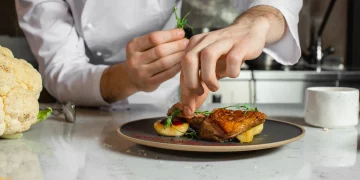
Restaurants like Nobu, founded by chef Nobu Matsuhisa, exemplify how fusion cuisine has reached the heights of luxury and innovation. Nobu blends traditional Japanese cooking with Peruvian ingredients and techniques, creating a sophisticated and globally recognized menu. Dishes like miso-glazed black cod and tiradito (a Peruvian-style sashimi) are perfect examples of how fusion cuisine can achieve both refinement and creativity.
Similarly, chefs like David Chang of Momofuku and José Andrés of Jaleo have embraced fusion to explore new culinary frontiers. Their ability to seamlessly blend flavors, ingredients, and techniques from multiple cultures has transformed the fine dining landscape, attracting diners who seek both innovation and high-quality ingredients in their meals.
A New Approach to Global Cuisine
Fine dining fusion restaurants are reinterpreting classic dishes, deconstructing and reassembling them in a way that incorporates multiple cultural perspectives. This reimagining allows diners to experience familiar foods in new, unexpected forms. In some instances, fusion dishes might incorporate modernist techniques like molecular gastronomy, which adds a layer of scientific precision and artistic presentation to the fusion experience.
Chefs working at the intersection of food science and art are exploring new ways to combine global ingredients and cooking methods, offering dishes that are visually stunning as well as deeply flavorful. The fusion of culinary techniques, ingredients, and artistic presentation is redefining what fine dining can be.
4. Fusion Cuisine in Street Food: The Global Playground
While fusion cuisine is certainly influential in fine dining, its greatest impact has been felt on the streets. Street food vendors, food trucks, and casual eateries around the world have become epicenters of culinary experimentation, where cultures and cooking traditions merge to create innovative and accessible dishes. These fusion street foods are not only more affordable than their fine-dining counterparts but also reflect the diverse, multicultural nature of modern cities.
The Rise of Fusion Food Trucks and Vendors
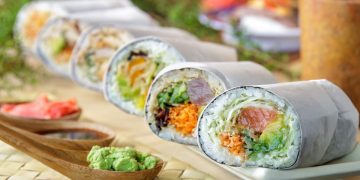
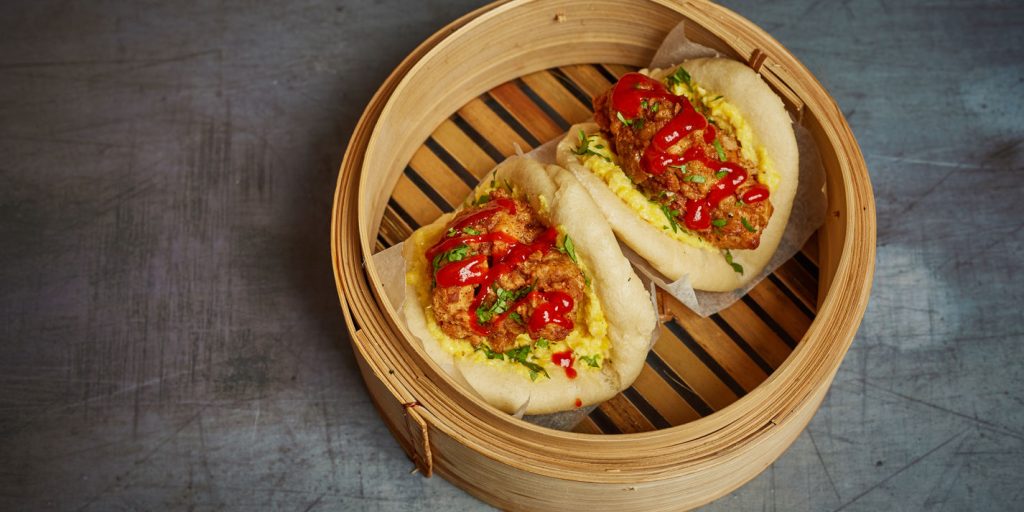
Food trucks have become a driving force in the evolution of fusion cuisine, particularly in cities like Los Angeles, New York, and London. Vendors have the freedom to experiment with bold flavor combinations and cultural influences, offering quick, affordable meals that reflect the diversity of the urban landscape. Fusion dishes like Korean BBQ tacos, sushi burritos, and banh mi burgers are prime examples of how street food vendors have embraced the fusion movement.
These hybrid dishes take the best elements of different culinary traditions and present them in a way that is both exciting and accessible to a wide audience. The informal nature of street food allows for more risk-taking and experimentation, with chefs mixing and matching flavors, ingredients, and cooking methods in creative ways.
Cross-Cultural Collaborations in Street Food
Fusion street food also represents a democratization of culinary innovation. By making fusion dishes available to everyone, street food vendors have made it possible for people to experience global flavors in their daily lives. The fusion food movement has bridged cultural gaps, allowing people to explore dishes from different regions of the world without leaving their neighborhoods.
In major cities, fusion food festivals and events showcase the diversity of street food and the creativity of vendors who blend flavors and ingredients from across the globe. These festivals have become a popular way for people to sample innovative dishes and engage with new culinary experiences.
5. The Challenges and Criticisms of Fusion Cuisine
Despite its growing popularity, fusion cuisine has faced some criticisms, particularly from culinary purists who argue that it can dilute or even disrespect traditional culinary practices. They contend that fusion dishes often lack authenticity and are too focused on novelty rather than quality and technique. Some critics also argue that fusion can lead to the loss of regional identities, with important culinary traditions being overshadowed by trendy hybrid dishes.
However, advocates of fusion cuisine assert that cooking, by nature, has always been an evolving practice. What we consider “authentic” today was once a fusion of ideas and ingredients. They argue that fusion cuisine is not about erasing tradition but about building on it—creating something new while respecting the rich cultural contexts from which these culinary traditions emerged.
6. The Future of Fusion Cuisine
Looking to the future, fusion cuisine is likely to continue expanding and evolving. As globalization progresses and more people from different cultural backgrounds collaborate in the kitchen, the possibilities for culinary innovation are endless. Technology will also play a significant role in the future of fusion cuisine, with new cooking tools, preservation techniques, and flavor-enhancing technologies enabling even more complex and diverse combinations of ingredients.
Plant-based and sustainable ingredients will likely become an important aspect of fusion cuisine as environmental consciousness continues to grow. Chefs are already exploring ways to combine global culinary traditions with plant-based innovations, creating fusion dishes that are not only innovative but also sustainable.
Ultimately, fusion cuisine represents a celebration of cultural exchange, creativity, and diversity. It has transcended its status as a trend and become a central force in the global culinary landscape, continuing to evolve and inspire chefs and food lovers around the world.
Conclusion
Fusion cuisine is no longer just a passing trend—it is an essential part of the modern culinary world. Its ability to bring together diverse flavors, techniques, and ingredients from different cultures has led to the creation of dishes that are both innovative and exciting. From high-end restaurants to food trucks, fusion cuisine is redefining what we eat and how we experience food. It is, without a doubt, the core of global culinary innovation.