









Introduction: The Global Pantry Unveiled
Food is more than sustenance; it is a cultural artifact, a piece of history, and a reflection of the land from which it originates. Every dish, from the humble bowl of rice to an intricate Michelin-star creation, is a window into the history, geography, and traditions of a specific culture. The foods we eat today — whether they’re staples like grains and legumes or exotic spices and fruits — all have rich histories that traverse continents, climates, and civilizations.
In this article, we will take a journey into the global pantry. From the origins of spices that revolutionized trade routes to the grains that sustain billions, we will explore the diverse ingredients that make up the culinary tapestry of the world. Understanding the origins and evolution of these ingredients not only enriches our appreciation for food but also highlights the interconnectedness of cultures and their shared histories.
1. The Global Journey of Grains: The Foundation of Many Diets
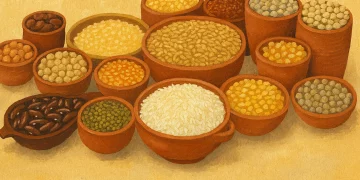
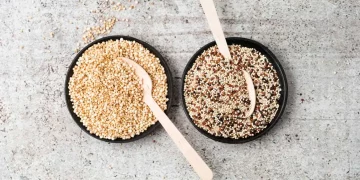
Grains, one of humanity’s earliest cultivated crops, form the backbone of most global diets. From wheat and rice to quinoa and millet, grains are among the most important food sources in the world, providing the bulk of energy and nutrition for billions of people.
Rice: The Lifeblood of Asia
Rice is the staple crop for over half of the world’s population, particularly in Asia. It is believed to have originated in the Yangtze River Valley in China over 10,000 years ago. From here, it spread across the Asian continent and beyond, becoming a staple crop in regions with suitable climates, such as Southeast Asia, India, and eventually Africa and the Americas.
The cultivation of rice involves intricate farming techniques, particularly in countries like Japan, Thailand, and India, where rice is grown in flooded paddies, a method known as “wet rice cultivation.” Rice serves as the basis for countless dishes: sushi in Japan, biryani in India, and congee in China, to name just a few. Each region has its own way of preparing and seasoning rice, making it an incredibly versatile and important global ingredient.
Wheat: From the Fertile Crescent to the World
Wheat has played a central role in human history since the dawn of agriculture. Thought to have been domesticated around 10,000 years ago in the Fertile Crescent (modern-day Iraq, Syria, and Turkey), wheat quickly spread to Europe, North Africa, and eventually the Americas.
Today, wheat is primarily cultivated in temperate regions, with major production hubs in the United States, China, India, and Russia. It is a key ingredient in many global cuisines, from bread and pasta in Europe and the Middle East to couscous and flatbreads in North Africa. The global popularity of wheat is largely due to its adaptability to various climates and its ability to form the basis of countless foods, including baked goods, noodles, and even desserts like cakes and cookies.
Maize (Corn): The American Crop that Conquered the World
Maize, or corn, is a crop native to Mesoamerica, with evidence of its cultivation dating back to around 9,000 years ago in modern-day Mexico. It was introduced to the rest of the world after Christopher Columbus’s voyages to the Americas in the late 15th century. Today, maize is a staple crop in many parts of the world, particularly in the Americas, Sub-Saharan Africa, and parts of Asia.
In the Americas, maize is the foundation of many traditional foods, from tortillas and tamales to popcorn and grits. It is a key ingredient in many processed foods as well, such as corn syrup, cornmeal, and animal feed. The crop’s versatility and adaptability to diverse climates have made it one of the most widely grown crops in the world.
Millet and Sorghum: The Resilient Grains of Africa and Asia
Millet and sorghum, two ancient grains originating in Africa and Asia, are highly valued for their resilience to drought and their nutritional benefits. Both grains are rich in protein, fiber, and essential micronutrients, making them vital sources of nutrition for populations in arid regions where rice and wheat may not thrive.
Millet, which has been cultivated in Africa and Asia for thousands of years, is a key ingredient in traditional dishes such as millet porridge in Africa and bhakri (a type of flatbread) in India. Sorghum, similarly, is a staple in parts of Sub-Saharan Africa and India, where it is used to make flatbreads, porridge, and fermented beverages.
2. The Spice Trade: How Spices Shaped the World
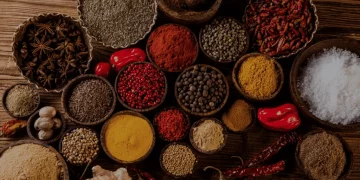
Spices have been integral to human civilization for thousands of years, not just for their ability to enhance flavor, but for their medicinal properties, preservation qualities, and economic value. The spice trade, which began as early as the 1st century BCE, transformed the global economy and forged lasting cultural exchanges.
Black Pepper: The King of Spices
Black pepper, often referred to as the “king of spices,” originated in the Western Ghats of India and has been used for over 4,000 years. It was highly prized in ancient civilizations, particularly in Europe, where it was used to preserve food and as a symbol of wealth. The desire for pepper spurred the Age of Exploration, with European traders seeking direct access to the spice-rich lands of India and Southeast Asia.
Today, black pepper is grown in tropical regions worldwide, with major producers including Vietnam, India, and Indonesia. It remains an essential spice in nearly every cuisine, from Indian curries and Middle Eastern stews to European sauces and American barbecue rubs.
Cinnamon: The Ancient Spice of the Gods
Cinnamon, native to Sri Lanka and southern India, was used by ancient Egyptians in embalming processes and as a prized commodity in the Roman Empire. This spice was so valuable that it was often considered a gift worthy of kings and gods. Cinnamon is now cultivated in tropical climates worldwide, including Southeast Asia, Brazil, and the Caribbean.
The warm, sweet flavor of cinnamon is a key component of both savory and sweet dishes, from Indian biryanis and Moroccan tagines to American apple pies and baked goods. Its use in both food and medicine makes it a versatile and enduring spice.
Cloves, Nutmeg, and Mace: Spices of the Islands
Cloves, nutmeg, and mace, all native to the Maluku Islands (also known as the Spice Islands) in Indonesia, were central to the spice trade. These islands were so coveted by European colonial powers that they fought wars over control of the spice trade.
Today, these spices are used in a wide range of dishes. Cloves are used in savory stews and mulled wine, nutmeg is an essential component of holiday desserts and beverages, and mace is found in various spice blends and savory sauces.
Chili Peppers: The Fiery Flavor of the Americas
Chili peppers, native to the Americas, were domesticated by indigenous cultures in Mexico and Central America over 6,000 years ago. After the Columbian Exchange, chili peppers spread to Europe, Africa, and Asia, where they quickly became integral to local cuisines.
Today, chili peppers are used in everything from Mexican salsas and Indian curries to Thai dishes and African stews. Their diverse varieties, from mild bell peppers to fiery habaneros and bird’s eye chilies, provide heat and flavor to global dishes.
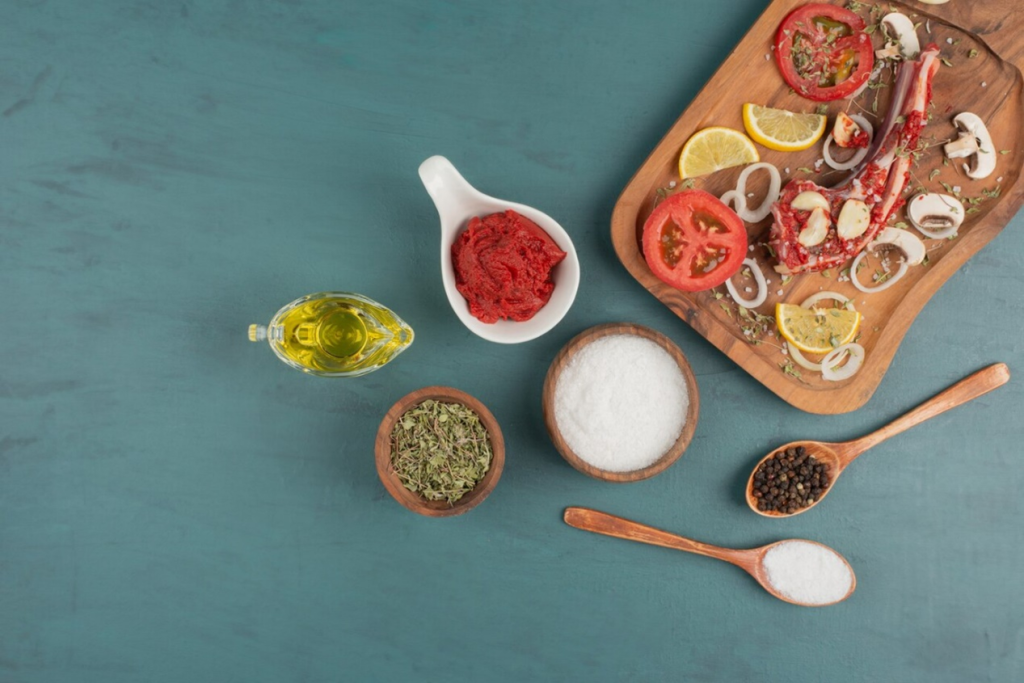
3. Fruits and Vegetables: The Global Evolution of Garden Staples
While grains and spices form the foundation of the global pantry, fruits and vegetables also play a vital role in shaping culinary traditions around the world. From tomatoes and potatoes to bananas and avocados, these ingredients have crossed continents and become essential components of international cuisine.
Tomatoes: From the Americas to the World’s Kitchens
Native to western South America, tomatoes were first domesticated by the indigenous peoples of the Andes. After their introduction to Europe in the 16th century, tomatoes became a central ingredient in Mediterranean cuisine, particularly in Italian and Spanish dishes. Today, tomatoes are a staple in cuisines worldwide, used in everything from Italian pasta sauces and Mexican salsas to Indian curries and Middle Eastern salads.
Potatoes: The Heart of Global Comfort Food
Potatoes, also native to the Americas, were first cultivated by the Inca people in the Andes. After their introduction to Europe in the late 16th century, potatoes quickly became a staple crop due to their high yield and versatility. Today, potatoes are a key ingredient in comfort foods across the globe, from French fries and mashed potatoes to potato curry and gnocchi.
Bananas and Avocados: Fruits with Global Impact
Bananas, originally from Southeast Asia and Malaysia, have spread to become one of the most widely consumed fruits in the world. Similarly, avocados, native to Mexico and Central America, have grown in popularity and are now integral to many cuisines, from guacamole in Mexico to avocado toast in the United States.
4. The Cultural Significance of Ingredients: A Reflection of History
The ingredients that make up the global pantry are not just culinary staples but are deeply intertwined with history and culture. They tell the story of migration, trade, conquest, and colonization. The exchange of ingredients through trade routes — such as the Silk Road, the Transatlantic Slave Trade, and the Columbian Exchange — has led to the culinary diversity we enjoy today.
As these ingredients crossed borders, they were adapted and integrated into local cuisines, evolving into the unique dishes and flavors we recognize today. The spread of spices from Asia to Europe, the introduction of tomatoes to Italy, and the migration of rice from China to India all highlight the deep cultural and historical connections that food can reveal.
Conclusion: A Shared Global Pantry
The global pantry is a testament to humanity’s shared history and the way in which food transcends borders, connecting us all through our common tastes, techniques, and traditions. Whether it’s a bowl of rice in Asia, a spicy stew in Africa, or a Mediterranean salad, the ingredients in our pantries tell a story of exploration, innovation, and unity.
Understanding the origins and diversity of these ingredients allows us to appreciate the richness of global cuisines and the cultural exchange that has shaped the way we eat today. In the end, the pantry is not just a place where we store food — it’s a reflection of the interconnectedness of our world.