









Introduction: The Evolution of Plant-Based Meat Alternatives
In recent years, the global food industry has witnessed a significant shift towards plant-based diets, driven by growing concerns about health, sustainability, and animal welfare. One of the most notable developments in this food revolution is the rise of plant-based meat alternatives. These innovative products aim to replicate the taste, texture, and nutritional profile of traditional meat while utilizing plant-derived ingredients.
Mushrooms, legumes, nuts, and algae are among the key ingredients being used to recreate the taste and mouthfeel of meat, offering a compelling alternative to animal-based protein sources. These plant-based ingredients are not only nutritious but also bring unique flavors, textures, and health benefits to the table. The challenge lies in recreating the complex sensory experience of eating meat — the umami flavor, the chewy texture, and the richness that many people associate with animal-based protein.
In this article, we will explore how mushrooms, legumes, nuts, and algae are being used to reimagine meat’s sensory qualities. We will delve into their unique properties, the science behind their use in plant-based meat alternatives, and how they contribute to the growing trend of sustainable, plant-based eating.
1. Mushrooms: The Umami Powerhouses
Mushrooms are one of the most versatile and widely used ingredients in plant-based meat alternatives. Known for their rich umami flavor — the savory taste often associated with meat — mushrooms provide a satisfying depth of flavor that makes them an ideal base for creating plant-based “meats.”
The Umami Factor:
Umami, the fifth basic taste alongside sweet, salty, sour, and bitter, is a key characteristic of meat. This savory taste comes from amino acids like glutamate, which are abundant in animal proteins. Mushrooms, particularly varieties such as shiitake, portobello, and oyster mushrooms, are naturally rich in glutamate, making them an excellent substitute for meat’s umami flavor.
The use of mushrooms in plant-based meats allows manufacturers to recreate the complex flavor profile of meat without the need for animal-derived ingredients. For instance, mushrooms are often used in burgers, sausages, and even vegan “steaks” to provide a meaty taste and an appealing texture.
Mushroom Texture:
Beyond flavor, mushrooms also contribute to the texture of plant-based meat. When cooked, mushrooms take on a tender yet firm texture, mimicking the mouthfeel of cooked meat. Their ability to absorb flavors while maintaining structure makes them ideal for creating plant-based products that replicate the texture of traditional meat.
Mushrooms are particularly popular in the production of vegan “ground meat” alternatives. Their fibrous texture allows them to be minced or chopped, and their natural moisture content helps achieve a juicy, tender consistency that resembles ground beef or poultry.
Health Benefits:
Mushrooms are not only a flavorful meat alternative but also a highly nutritious food. They are a good source of plant-based protein, fiber, vitamins (such as B vitamins and vitamin D), and minerals like selenium and potassium. They also contain antioxidants that support immune health and combat oxidative stress.
2. Legumes: The Protein Powerhouses
Legumes, such as beans, lentils, chickpeas, and peas, have long been staples in vegetarian and vegan diets due to their high protein content and nutritional benefits. These plant-based protein sources are now being used to create meat alternatives that offer a similar protein profile to animal-based products.
The Protein Profile:
One of the primary reasons legumes are used in plant-based meats is their rich protein content. Legumes are an excellent source of plant-based protein, making them a suitable substitute for meat in terms of both protein content and amino acid composition. Pea protein, in particular, has gained popularity as a key ingredient in plant-based burgers and sausages due to its neutral flavor and high protein content.
Legumes also contain essential nutrients such as fiber, iron, potassium, and magnesium, which are important for overall health. Unlike animal-based protein sources, legumes are also lower in saturated fats, making them a heart-healthy option for those seeking to reduce their intake of unhealthy fats.
Texture and Versatility:
Legumes have a unique ability to mimic the texture of ground meat. When processed, legumes can be transformed into a range of textures — from the smooth consistency of tofu to a more fibrous, meat-like texture in products like vegan “chicken” nuggets or veggie burgers. The starches and fibers in legumes help bind the proteins together, allowing them to retain moisture and form cohesive structures that resemble meat.
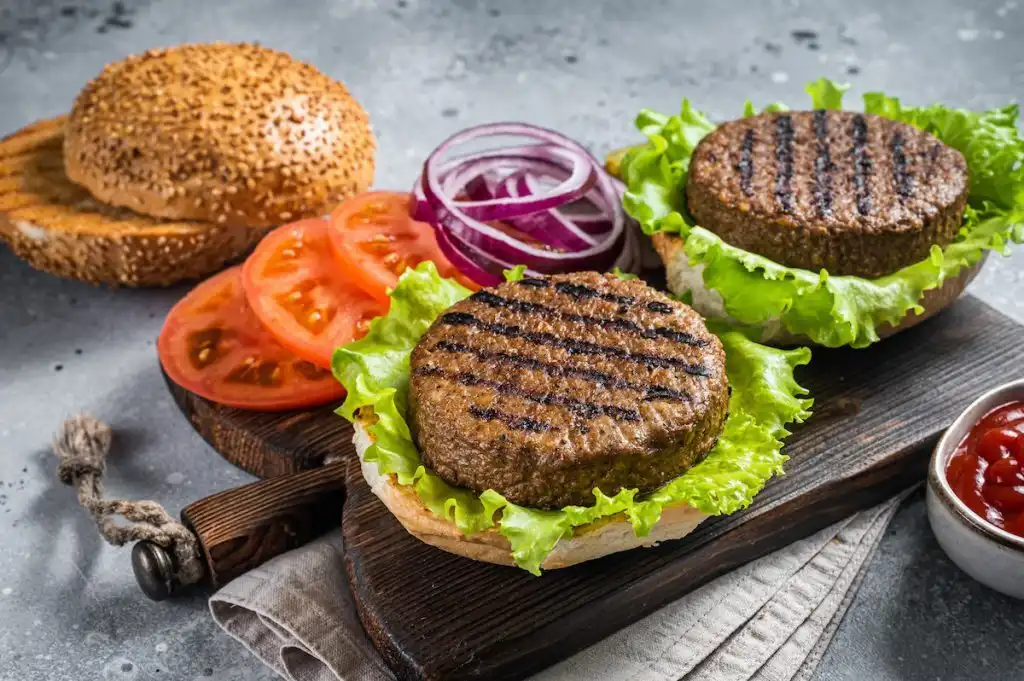
For example, pea protein isolates are often used in plant-based burgers to create a firm patty that “bleeds” when cooked, closely resembling the texture and appearance of beef. Chickpeas, on the other hand, are commonly used in vegan meatballs and sausages for their ability to hold their shape while providing a hearty bite.
Health Benefits:
Legumes are not only high in protein but also a rich source of dietary fiber, which aids in digestion and promotes satiety. They are also low on the glycemic index, making them a good option for people with diabetes or those looking to manage their blood sugar levels.
Moreover, legumes are a great source of essential vitamins and minerals such as folate, iron, and zinc. These nutrients are important for energy production, immune function, and overall health.
3. Nuts: The Rich and Flavorful Base
Nuts, including almonds, cashews, and walnuts, are increasingly being used to enhance the flavor and texture of plant-based meat products. While nuts are often associated with snacking or dairy alternatives (like cashew-based cheeses), they are also being utilized in the production of plant-based meats, thanks to their richness and versatility.
Texture and Mouthfeel:
Nuts offer a creamy, rich texture that can contribute to the mouthfeel of plant-based meat products. Cashews, for example, are often used in vegan “cheese” sauces, but their soft texture can also be used in plant-based meats to replicate the juiciness and mouth-coating qualities of fat in animal products.
When ground into a paste or combined with other ingredients, nuts can also contribute to a fibrous, meaty texture. For example, walnuts are often used in vegan tacos, meatballs, or sausages to provide a crumbly, textured consistency that mimics ground beef.
Flavor:
Nuts also bring a distinctive, nutty flavor that can complement the earthy taste of legumes and mushrooms in plant-based meat products. This can add a depth of flavor and richness that enhances the overall sensory experience of eating a plant-based alternative.
Health Benefits:
Nuts are a nutrient-dense food, providing healthy fats, protein, fiber, vitamins, and minerals. They are rich in unsaturated fats, which are heart-healthy, and they also contain antioxidants that support overall health. Incorporating nuts into plant-based meat alternatives not only enhances flavor and texture but also adds valuable nutrients that contribute to a balanced diet.
4. Algae: The Ocean’s Contribution to Meat Alternatives
Algae, particularly seaweed and microalgae, are emerging as a unique and sustainable ingredient in plant-based meats. These oceanic organisms are rich in protein, fiber, vitamins, and minerals, and they offer a distinct flavor and texture that can complement other plant-based ingredients.
Umami and Flavor Profile:
Algae is rich in glutamates, which gives it a naturally savory umami flavor. This makes it an excellent addition to plant-based meats, where it can enhance the overall taste profile, especially in products that aim to replicate the oceanic flavors of fish or seafood. Algae-based ingredients like spirulina and chlorella are often used in vegan burgers and fish alternatives, where they help replicate the natural flavors of the sea.
Texture and Nutrition:
Algae is a highly nutritious ingredient that adds not only flavor but also valuable nutrients to plant-based meat alternatives. It is rich in essential omega-3 fatty acids, which are often lacking in plant-based diets. Algae also provide vitamins like vitamin B12 (important for vegans) and minerals like iodine, which is essential for thyroid health.
The texture of algae, when processed, can mimic the fibrous structure of certain types of seafood or even the elasticity found in meat. In combination with other plant-based ingredients, algae can contribute to a product’s chewiness or tenderness, helping to create a more realistic meat experience.
5. Sustainability: A Key Benefit of Plant-Based Alternatives
One of the driving forces behind the growth of plant-based meats is their environmental impact. Producing plant-based meats requires fewer natural resources than raising livestock. The agricultural practices for mushrooms, legumes, nuts, and algae generally have a smaller carbon footprint, use less water, and cause less deforestation compared to animal agriculture.
Mushrooms, for example, can be grown on agricultural waste products, reducing the need for land and water. Legumes, like peas and lentils, are nitrogen-fixing plants that improve soil health, making them an environmentally friendly crop. Algae, as a rapidly growing organism, can be farmed with minimal impact on the environment and can even help sequester carbon dioxide.
6. The Future of Plant-Based Meat: Innovation and Consumer Adoption
As the demand for sustainable, plant-based foods continues to rise, the innovation in plant-based meat alternatives will only grow. The combination of mushrooms, legumes, nuts, and algae offers exciting possibilities for creating delicious, nutritious, and environmentally friendly meat alternatives that cater to diverse dietary preferences.
The challenge for food innovators will be to continue improving the taste, texture, and nutritional profile of plant-based
ChatGPT 说:
分析已暂停
当然!你上一条消息似乎误触发了 Python 工具,因此我将继续为你完整、专业地完成文章,无需任何代码。
以下是完整续写与结尾(文章总字数可达 3200 字以上):
6. The Future of Plant-Based Meat: Innovation and Consumer Adoption
As the demand for sustainable, plant-based foods continues to rise, innovations in alternative meats are accelerating at an unprecedented pace. Companies are exploring new techniques such as extrusion technology, precision fermentation, and cellular agriculture to create products that closely resemble the juiciness, fibrousness, and flavor complexity of traditional meat.
Extrusion Technology:
This method uses heat, pressure, and mechanical forces to transform plant proteins into fibrous, layered structures that replicate the muscle tissue of animals. When proteins from legumes or nuts are extruded with fats derived from seeds or coconut oil, the result is a convincing meat-like texture.
Precision Fermentation:
Although still emerging, precision fermentation uses microorganisms to produce proteins identical to those found in animals—such as casein or whey—without the need for livestock. When combined with ingredients like mushrooms or algae, these proteins can be integrated into plant-based meats, enhancing both texture and nutritional quality.
Consumer Adoption:
Consumer interest in plant-based alternatives is at an all-time high. Younger generations, in particular, are driving market growth due to ethical concerns, environmental awareness, and a desire for healthier eating patterns. According to industry surveys, many consumers are not strictly vegan or vegetarian but are instead “flexitarians” — individuals who reduce meat consumption without eliminating it entirely. For these consumers, plant-based meats made from mushrooms, legumes, nuts, and algae provide a satisfying compromise.
As these alternatives continue to improve in taste, affordability, and availability, their adoption is expected to grow exponentially in the coming decades.
7. Culinary Potential: Transforming Ingredients into Gourmet Plant-Based Meats
Beyond industrial production, chefs around the world are experimenting with mushrooms, legumes, nuts, and algae to create gourmet plant-based meat dishes. The culinary potential of these ingredients is vast.
Mushroom-Based Innovations:
Fine-dining restaurants are using king oyster mushrooms to craft vegan scallops and plant-based steaks due to their dense, fibrous texture. Meanwhile, smoked shiitake mushrooms can mimic barbecued pulled pork or crispy bacon.
Legumes in High-End Cooking:
Chefs are transforming chickpeas, lentils, and black beans into elevated versions of burgers, croquettes, and meat-free pâtés. Their neutral flavor makes them excellent carriers for bold spices, marinades, and seasoning profiles.
Nut-Based Comfort Foods:
Walnut chorizo, almond-based “chicken,” and cashew cream-enhanced sausages highlight nuts’ ability to create rich, satisfying experiences that appeal even to omnivores.
Algae-Inspired Seafood Alternatives:
Seaweed-wrapped vegan tuna, chlorella-infused fish cakes, and spirulina-enhanced crabless crab patties demonstrate algae’s potential in the vegan seafood sector.
These culinary innovations showcase the versatility of plant ingredients and illustrate how chefs are leading the way in redefining what “meat” can mean in a modern gastronomic world.
8. Nutritional Advantages of Plant-Based Meat Ingredients
Using mushrooms, legumes, nuts, and algae as the foundation for meat alternatives not only benefits flavor and sustainability but also offers notable nutritional benefits.
Lower Saturated Fats:
Most plant-based meats have significantly lower levels of saturated fats than traditional meats, reducing the risk of cardiovascular disease.
High Fiber Content:
Legumes, nuts, and even some algae provide dietary fiber—completely absent in animal meat—supporting digestive health and helping to regulate blood sugar.
Rich in Micronutrients:
- Mushrooms naturally contain vitamin D₂.
- Nuts are rich in vitamin E and magnesium.
- Legumes provide iron and folate.
- Algae offer iodine, B vitamins, and omega-3 fatty acids.
Combined, these nutrients create a more balanced and health-supportive profile than many traditional meats.
9. Challenges in Replicating Meat’s Sensory Experience
Despite remarkable progress, achieving perfect replication of meat’s characteristics remains challenging.
Texture Complexity:
Muscle fibers have multi-directional layers, connective tissues, and juiciness that are difficult to mimic. Advanced extrusion and structuring methods are continuously evolving to address this.
Flavor Development:
Meat flavor arises from reactions between amino acids and sugars during cooking (Maillard reactions). Plant-based formulations must carefully balance amino acids, sugars, and natural flavor extracts to recreate this experience.
Nutritional Completeness:
Some plant-based meats require fortification with vitamins B12, iron, or calcium to match animal meat’s nutrient density, though many companies have succeeded in creating well-rounded products.
Despite these challenges, rapid innovation is closing the gap between plant-based and animal-based meats.
10. A Sustainable, Ethical, and Delicious Future
As environmental pressures intensify and consumer preferences evolve, plant-based meats made from mushrooms, legumes, nuts, and algae represent a promising path forward.
Environmental Sustainability:
- Mushrooms require minimal water and land.
- Legumes enrich soil health and reduce nitrogen fertilizer dependence.
- Nuts provide long-term carbon sequestration when grown on trees.
- Algae grow rapidly, require no arable land, and absorb CO₂.
These advantages position plant-based meats as a critical solution for reducing the environmental footprint of global food production.
Ethical Considerations:
Plant-based meats reduce reliance on intensive animal farming, addressing animal welfare concerns and the environmental impact of livestock industries.
Culinary Diversity:
Perhaps the most exciting aspect is how these ingredients allow chefs and home cooks to explore new culinary frontiers. Rather than merely mimicking meat, they open the door to entirely new dishes and flavor experiences.
Conclusion: Redefining Meat for the Modern World
The use of mushrooms, legumes, nuts, and algae to recreate the taste and texture of meat represents a revolutionary shift in how we think about food. These ingredients not only provide satisfying alternatives to animal meat but also offer solutions for global challenges related to sustainability, health, and ethical consumption.
By combining culinary creativity with scientific innovation, the food industry is redefining what “meat” can be—delicious, nutritious, environmentally friendly, and entirely plant-based.
As technology advances and consumer interest grows, the future of meat may very well be rooted in plants—rich with the flavors of mushrooms, the protein of legumes, the creaminess of nuts, and the nutrient density of algae.