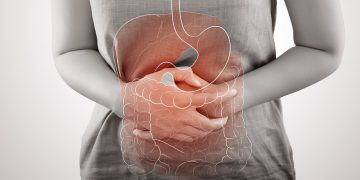










Introduction: The Rising Awareness of Gut Health
Over the past few years, gut health has gained widespread attention as a critical component of overall well-being. While many people still associate digestive health primarily with gut comfort and the avoidance of stomach ailments, the scientific community has uncovered a far more complex and intriguing role of the gut in maintaining good health. Increasingly, research reveals that the gut, often referred to as the “second brain,” plays a pivotal role not only in digestion but also in regulating the immune system, mental health, and even chronic disease prevention.
The growing interest in gut health is largely driven by the recognition of the gut microbiome — the community of trillions of bacteria, fungi, and other microorganisms residing in our intestines. These microbes, which outnumber our human cells, are now understood to be central to a wide range of physiological processes. From breaking down food and producing essential nutrients to protecting the body from pathogens, the gut microbiome’s influence is far-reaching.
In this article, we will delve into the importance of gut health, explore the ways in which it affects digestion, immunity, and overall health, and discuss the steps we can take to improve and maintain a healthy gut. We will also examine the connection between diet, gut health, and the emerging understanding of how food can be used as medicine for better health.
1. The Gut Microbiome: An Ecosystem Within Us
At the heart of gut health is the gut microbiome — the complex and dynamic ecosystem of microorganisms that reside in our intestines. This microbiome consists of bacteria, viruses, fungi, and other microbes, each playing a specialized role in maintaining digestive balance and supporting various bodily functions. It is estimated that the human gut microbiome contains around 100 trillion microorganisms, outnumbering our human cells by a factor of ten.
The gut microbiome is responsible for digesting food, synthesizing vitamins, metabolizing nutrients, and even regulating the immune system. A healthy gut microbiome is diverse, containing a variety of beneficial microbes that help maintain the balance of bacteria in the digestive tract. Conversely, an imbalance in this microbial ecosystem, often referred to as dysbiosis, has been linked to a host of health conditions, including inflammatory bowel disease (IBD), irritable bowel syndrome (IBS), allergies, autoimmune diseases, and even mental health disorders.
The composition of the gut microbiome is influenced by a variety of factors, including diet, lifestyle, genetics, and environmental exposures. One of the most significant influences is diet, as the foods we eat directly impact the diversity and abundance of microbes in the gut.
2. The Role of Gut Health in Digestion
The primary function of the gut is to break down food and absorb nutrients. The process begins in the mouth, where enzymes start breaking down carbohydrates, and continues through the stomach and intestines, where digestive enzymes and bile work to further break down fats, proteins, and carbohydrates. A healthy gut microbiome helps facilitate this process by producing enzymes that aid digestion and by fermenting fibers and other indigestible components of food.
For instance, beneficial gut bacteria ferment complex carbohydrates (fiber) into short-chain fatty acids (SCFAs), which are then absorbed by the gut lining and used as an energy source for the cells that line the intestines. SCFAs also help maintain the integrity of the gut barrier, preventing harmful bacteria and toxins from entering the bloodstream. When gut health is compromised, however, digestive issues such as bloating, constipation, diarrhea, and acid reflux can arise.
Studies have shown that a balanced gut microbiome improves nutrient absorption, enhances enzyme production, and helps break down toxins and waste products efficiently. On the other hand, a disrupted microbiome can impair digestion and contribute to the development of gastrointestinal disorders, such as IBS, leaky gut syndrome, and Crohn’s disease.
3. The Gut and Immune System: A Vital Link
The immune system and the gut microbiome are intricately connected, and this relationship is increasingly recognized as crucial for maintaining good health. Approximately 70-80% of the body’s immune cells are located in the gut, and the gut microbiome plays an essential role in regulating immune function.
One of the primary ways the gut microbiome influences immunity is by educating the immune system to distinguish between harmful pathogens and harmless substances. A balanced gut microbiome helps prevent the immune system from overreacting to non-threatening substances, thus reducing the risk of allergies, autoimmune diseases, and chronic inflammation.
In fact, researchers have found that disruptions to the gut microbiome — such as those caused by an unhealthy diet, stress, or the overuse of antibiotics — can weaken the immune system’s ability to fight infections. A healthy, diverse microbiome, on the other hand, enhances the body’s defense against harmful microorganisms by promoting the production of antibodies and supporting the activity of immune cells like T-cells and B-cells.
The gut microbiome also plays a role in preventing chronic low-grade inflammation, a condition often associated with diseases such as cardiovascular disease, type 2 diabetes, and cancer. By maintaining a healthy microbiome, individuals can potentially reduce the risk of these conditions and support a more robust immune response.
4. Gut Health and Mental Well-Being: The Gut-Brain Axis
In addition to its physical functions, the gut also influences mental health through a connection known as the gut-brain axis. This bidirectional communication pathway links the gut to the brain via the vagus nerve and other signaling molecules. Research has shown that the gut microbiome can affect mood, cognition, and behavior, while the brain can, in turn, influence gut function.
For example, certain bacteria in the gut produce neurotransmitters like serotonin, which is crucial for regulating mood and emotional well-being. In fact, about 90% of the body’s serotonin is produced in the intestines. Imbalances in the gut microbiome have been associated with mental health disorders such as depression, anxiety, and even neurodegenerative diseases like Parkinson’s and Alzheimer’s.
The gut-brain connection also explains why stress and anxiety can have a direct impact on digestive health, leading to symptoms like stomach cramps, diarrhea, and acid reflux. Conversely, digestive issues or gut infections can contribute to feelings of anxiety and stress, creating a feedback loop that exacerbates both physical and mental health problems.
5. Diet and Gut Health: What to Eat for a Balanced Microbiome
Diet plays a fundamental role in shaping the gut microbiome, and adopting a gut-friendly diet is one of the most effective ways to support digestive health, immunity, and mental well-being. There are several key dietary factors that influence the health of the microbiome:
a) Fiber-Rich Foods:
Dietary fiber, found in fruits, vegetables, whole grains, and legumes, is one of the most important nutrients for gut health. Fiber acts as a prebiotic, providing nourishment for beneficial bacteria in the gut. These bacteria, in turn, ferment fiber to produce short-chain fatty acids (SCFAs) that support gut integrity and function.
High-fiber diets have been linked to a greater diversity of gut bacteria and a lower risk of digestive disorders. Increasing fiber intake can help regulate bowel movements, reduce inflammation, and support the growth of healthy bacteria.
b) Fermented Foods:
Fermented foods such as yogurt, kefir, sauerkraut, kimchi, and miso are rich in probiotics — live bacteria that can help restore balance to the gut microbiome. Probiotics support the growth of beneficial microbes, improve digestion, and strengthen the gut barrier.
Regular consumption of fermented foods has been shown to improve gut health by enhancing the diversity of gut bacteria and promoting a more favorable microbial environment. Probiotic-rich foods may also help alleviate symptoms of gastrointestinal disorders like IBS and IBD.
c) Polyphenol-Rich Foods:
Polyphenols are plant compounds found in foods such as berries, nuts, dark chocolate, and green tea. These compounds have antioxidant and anti-inflammatory properties that support gut health by reducing oxidative stress and inflammation in the gut.
Polyphenols also have prebiotic effects, stimulating the growth of beneficial bacteria while inhibiting the growth of harmful pathogens. A diet rich in polyphenols has been associated with improved gut microbiome diversity and a reduced risk of chronic diseases.
d) Healthy Fats:
Healthy fats, such as those found in olive oil, avocados, nuts, and fatty fish, play an important role in maintaining a healthy gut microbiome. Omega-3 fatty acids, in particular, have anti-inflammatory properties that help protect the gut lining and support the growth of beneficial bacteria.
6. The Impact of Stress and Lifestyle on Gut Health
While diet is a major factor in gut health, other lifestyle factors also play a significant role. Chronic stress, lack of sleep, sedentary behavior, and smoking can all negatively impact the gut microbiome, leading to dysbiosis and an increased risk of gastrointestinal and systemic health problems.
Stress, in particular, has been shown to alter the composition of gut bacteria and increase gut permeability, leading to inflammation and digestive issues. Adopting stress management techniques, such as mindfulness, yoga, and regular physical activity, can help maintain a healthy gut.
7. Conclusion: A Holistic Approach to Gut Health
Gut health is a cornerstone of overall well-being, affecting not just digestion but also immunity, mental health, and disease prevention. By understanding the intricate relationship between the gut microbiome and health, individuals can take proactive steps to nurture their gut and support a balanced, diverse microbiome.
A diet rich in fiber, fermented foods, and polyphenols, combined with a healthy lifestyle that includes stress management and regular exercise, is essential for maintaining gut health. As research continues to uncover the many ways in which the gut impacts our health, it is clear that taking care of our digestive system is key to living a long, healthy life.
In the pursuit of optimal health, the gut should no longer be viewed as merely an organ of digestion, but as an essential player in the complex web of physiological functions that sustain our overall health.